
Mentor Guides
How to Prepare for a First Mentor Meeting
A calm, useful checklist for young people, families and mentors preparing to begin a new mentoring relationship.
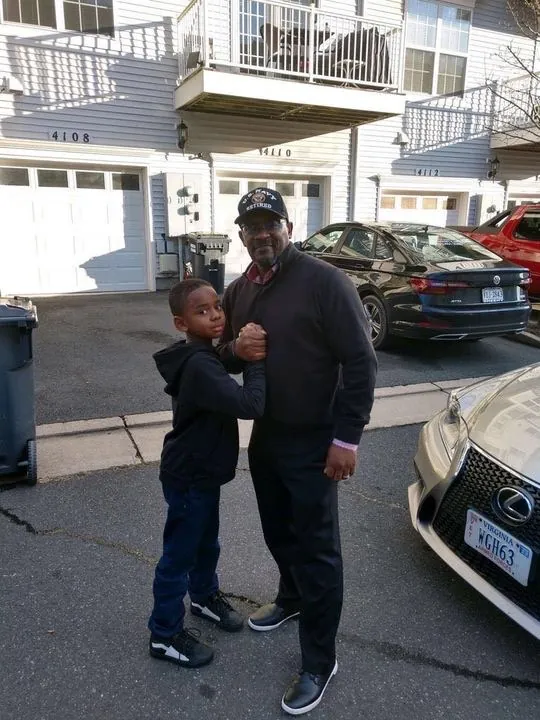
A first mentor meeting does not need to be impressive. It needs to feel safe, respectful and useful. For a young person, that may mean knowing that he is allowed to be himself, ask questions and take his time. For a mentor, it means arriving ready to listen rather than trying to solve everything at once. For a family, it means knowing how the relationship will be supported.
A little preparation can make that first conversation easier. The goal is not to rehearse every word. It is to create enough structure that everyone can relax and begin learning about one another.
1. Know what the meeting is for
The first meeting is a beginning, not a test. It is a chance to make introductions, learn a few basics and agree on what comes next. Young people do not need to decide whether they have found a best friend in an hour. Mentors do not need to prove they have every answer. A strong start is simply one where both people leave knowing a little more about each other and feeling comfortable returning.
In a formal program, staff may help lead the introduction, explain rules and answer practical questions. MENTOR’s guidance on beginning a match recommends that programs help arrange the first meeting, review expectations and make room for caregivers when they are part of the relationship. That support removes pressure from the mentor and young person, who can focus on getting acquainted.
If you are a young person, it can help to remember that you are not being judged for being quiet, nervous or unsure of what to say. If you are a mentor, leave room for pauses. If you are a caregiver, encourage the conversation without trying to run it. Every person should have a voice in how the relationship begins.
2. Prepare three simple things to share
A blank first conversation can feel intimidating. Bring three easy topics instead: something you enjoy, something you are working toward and one question you would like to ask. Those topics give the meeting a place to begin without turning it into an interview.
- An interest: a sport, game, class, music, hobby or way you like to spend time.
- A goal: something you would like to improve at school, at home, with friends, at work or in your community.
- A question: something you want to know about the other person’s experience, choices or interests.
You do not have to share a deeply personal story on day one. Start with what feels comfortable. The U.S. Administration for Children and Families suggests that young people think about why they want a mentor, what they hope to learn and what they expect from the relationship before a first conversation. Its youth mentoring guide also encourages young people to talk with a trusted adult about those expectations.
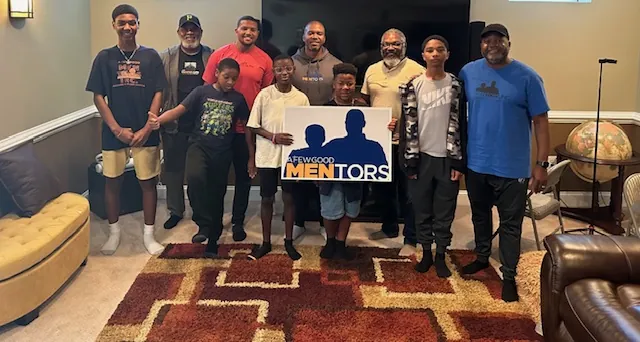
3. Choose questions that invite a real conversation
Good first-meeting questions are open enough to let someone answer in his own way. They are not a quiz, and they do not need to uncover everything at once. A few honest questions can do more than a long list.
- What do you enjoy doing when you have free time?
- What is something you are proud of from this year?
- What is one thing you would like to learn or get better at?
- Who has helped you when life felt difficult?
- What makes a meeting feel comfortable or useful for you?
- What is one thing you would like me to know about you?
Mentors can share too, but should leave plenty of room for the young person. A short story about a school challenge, a job, a hobby or someone who helped you can make the conversation more human. Then bring the focus back by asking what the young person thinks. The goal is connection, not a speech.
Families can use AFGM’s 25 questions to ask a mentor for more conversation starters. Mentors can also use the ideas in AFGM’s guide to activities that build trust when a shared activity makes talking feel less direct.
4. Keep the first plan low-pressure
Many first meetings go better when there is a simple shared activity. A short walk, a board game, a community event, a casual snack or a look at a goal worksheet can create natural breaks in the conversation. The activity is not the point. It gives both people something to do while trust begins to grow.
Let the young person’s interests guide the choice when possible. One person may open up over basketball. Another may prefer a library table, a meal or a conversation while walking. MENTOR notes that shared interests can help a new match find common ground, but the young person should never feel pressured to perform or disclose more than he wants to share.

5. Talk through expectations before they become confusion
A caring relationship still needs clear boundaries. Before the first meeting ends, it helps to understand how often you expect to meet, where meetings will happen, how plans will be confirmed and who to contact if something changes. Formal programs should explain their own rules about communication, transportation, activities and safety.
Young people and caregivers can ask what they should do when a meeting needs to move, how they will hear from staff and how to raise a concern. Mentors should follow program procedures rather than creating private rules. The best way to build trust is to do what you said you would do and communicate early when a plan needs to change.
AFGM pairs young men ages 8 through 21 with qualified, character-driven mentors. Mentors meet or contact their mentees for at least one hour each week during a nine-month commitment, with monthly meetups for the wider community. AFGM also provides initial and quarterly mentor training, so the first meeting is part of a supported process rather than something either person has to figure out alone.
A first-meeting checklist for young people
Use this short checklist before you walk in. It is not homework. It is a way to make the meeting feel less unknown.
- Think of one thing you enjoy. It can be ordinary. A favorite subject, game, food, team, music artist or place to spend time is enough.
- Name one thing you want help thinking through. Maybe it is school, a future job, confidence, a decision or a goal you have been putting off.
- Bring two questions. Ask what your mentor liked doing at your age, who helped him or what he learned from a mistake.
- Decide what feels comfortable. You can share a lot, a little or simply listen at first. You can also ask for a break or say that you would rather talk about something else.
- Know who to tell. Before the meeting, be clear about which caregiver or staff member you can talk to if you have a question or concern later.
You are allowed to have your own preferences. The current Elements of Effective Practice for Mentoring emphasizes that young people and caregivers should have opportunities to share feedback about a proposed mentoring relationship. A good program listens to that feedback and responds when something is not working.
How caregivers can help without taking over
Caregivers often carry practical concerns that a young person should not have to manage alone. They may need to understand who will be at the meeting, how transportation works, what communication is allowed and how the program handles changes. Asking those questions is part of protecting the young person and helping the relationship start with clarity.
At the same time, young people need room to speak for themselves. A helpful caregiver can talk through the meeting beforehand, make sure the logistics are clear and then let the young person answer simple getting-to-know-you questions in his own words. Afterwards, try an open question such as, “What felt comfortable?” or “What would you want to do differently next time?” That gives him space to reflect without being pushed toward a particular answer.
Caregivers can also model realistic expectations. A mentor is an added trusted adult, not a replacement for a parent, therapist, teacher or emergency service. The relationship can be meaningful while still having clear limits. AFGM’s guide to what a mentor does explains those boundaries in more detail.
What mentors can do before they arrive
Mentors usually feel first-meeting nerves too. Preparation can keep those nerves from turning into a rushed or overly serious conversation. Review the program’s expectations, confirm the time and location, and bring a few broad questions. Avoid assuming you already know what the young person needs. Curiosity is more useful than a plan to fix everything.
Keep your first goal small: learn what matters to him and give him a reason to believe you will follow through. Listen for interests, routines, people he trusts and goals he mentions naturally. If he gives a short answer, do not press. You can share a little about yourself, then offer a choice between two easy topics or activities. Small choices help a young person feel some ownership in a new relationship.
Before leaving, say clearly what you will do next. If you promise to bring information, check a date or plan an activity, write it down. Reliability is built through the ordinary details. AFGM’s guide for mentoring a teenager offers more on staying consistent once the relationship is underway.
6. End with one clear next step
The best outcome from a first meeting is not a perfect conversation. It is a clear reason to meet again. Before leaving, name one small next step: choose the next time, agree on a simple activity, bring one question to the next meeting or check in with program staff.
A short recap can help. The young person might write down one thing he learned. The mentor might note an interest to remember. A caregiver can make sure the next plan is on the calendar. Those small follow-through moments show that the relationship is real.
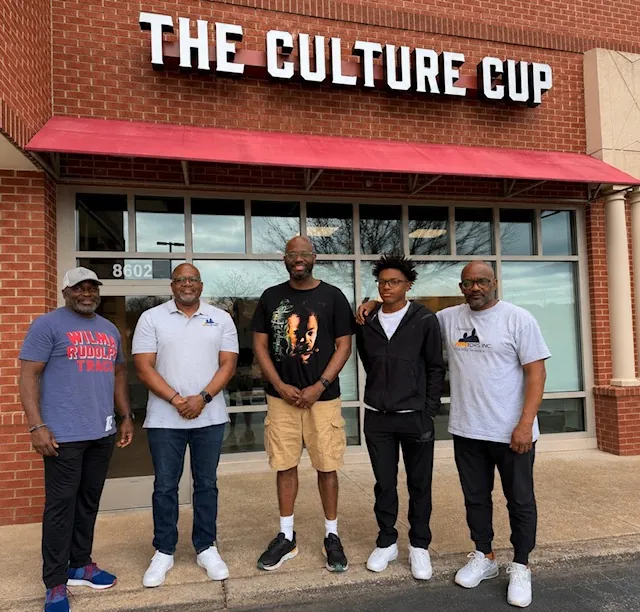
What to do if something does not feel right
Nervousness is normal. Feeling unsafe, pressured or ignored is different. A young person should be able to tell a trusted adult or program staff member if something makes him uncomfortable. Caregivers and mentors should take that concern seriously and follow the program’s process. A healthy mentoring relationship respects boundaries from the beginning.
It is also okay if the first meeting is simply quiet. Trust often takes more than one conversation. Patience, a predictable plan and staff support can make a second meeting much easier than the first.
Begin with curiosity, not pressure
Preparation gives a first mentor meeting a calmer start, but it does not replace the relationship. The most important things are simple: show up, listen closely, respect the young person’s pace and keep the next promise. Those habits give a new connection room to become dependable over time.
Families who are looking for a mentor can review AFGM’s family information and begin with the mentee interest form. Men considering the role can learn about becoming a MENtor and use AFGM’s good mentor habits guide to prepare for the responsibility.
Questions
Frequently asked questions
What should I bring to a first mentor meeting?
Bring a few thoughts about what you enjoy, what you want help with and two or three questions. You do not need a polished speech, a gift or a complete life plan. Showing up ready to listen and be honest is enough.
What should a parent or caregiver do before the first meeting?
Ask about the program’s communication, transportation and safety expectations, then help the young person feel prepared without taking over the conversation. Caregivers should know who will be involved and how to share a concern.
What if the first meeting feels awkward?
That is normal. New relationships need time. A simple activity, a few easy questions and a clear plan for the next meeting can make the second conversation feel easier. Tell program staff if something feels concerning or unsafe.
How long should a first mentor meeting last?
Follow the program’s plan. The most useful first meeting is long enough to make introductions, talk through expectations and agree on a next step, without trying to cover every topic at once.
Keep Reading
Related posts

Mentor Guides
Questions to Ask a Mentor: 25 Thoughtful Prompts
Twenty-five thoughtful questions that can help a young person and mentor build trust, talk through goals and keep conversations moving.
Read the guide →
Mentor Guides
Mentor-Mentee Activities That Build Real Trust
Practical mentor-mentee activities that create room for conversation, confidence and a stronger relationship over time.
Read the guide →Mentor Guides
How to Find a Mentor for a Teenager
Learn how to find a mentor for a teenager, compare programs, ask about safety and support, and help your family begin with confidence.
Read the guide →