
Mentor Guides
What Does a Mentor Do? A Practical Guide
A practical look at how mentors build trust, listen well, support growth and stay within healthy boundaries.

A mentor is not there to deliver a speech, solve every problem or make a young person into a copy of himself. He is there to become a dependable adult in that young person's corner. That role can be simple to describe and demanding to do well: show up, listen closely, offer perspective and keep the relationship grounded in respect.
For a young person, a good mentor can make ordinary conversations feel more possible. He may be the adult who notices a strong effort, talks through a hard week, helps prepare for a decision or simply keeps a promise when life is busy. The work is not about being impressive. It is about building enough trust that a young person knows he can come back to the conversation next week.
1. Build trust by showing up consistently
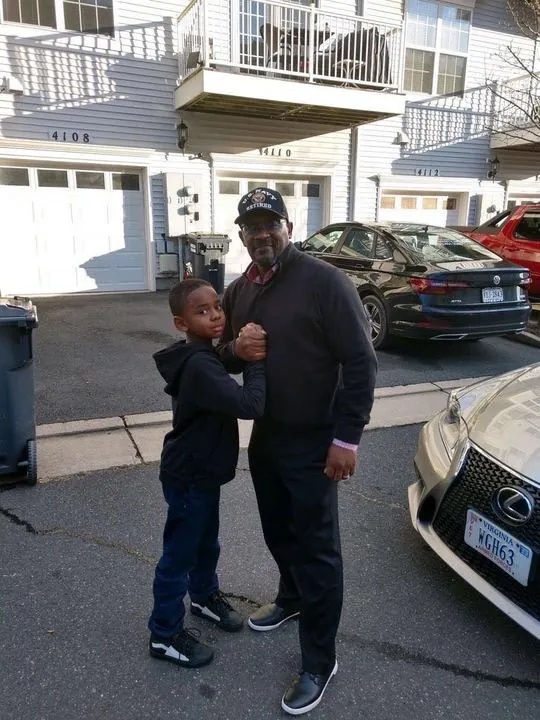
The first job of a mentor is to be reliable. Confirm plans. Be on time. Let a young person know early if a meeting has to change, then make a specific plan to reconnect. These small habits tell him that the relationship matters and that an adult's word can be counted on.
Consistency is more valuable than a big outing every few months. A short weekly check-in, a walk, a conversation over a meal or a shared activity can all build trust when they happen with a predictable rhythm. At AFGM, mentors meet or contact their assigned mentees for at least one hour each week. That dependable time gives a relationship room to grow beyond introductions.
Reliability also means remembering what a young person has told you. Ask how a test, game, job application or family event went. Follow up on the goal he mentioned last week. Those details show that your attention did not end when the conversation did.
MENTOR's guidance for people considering mentoring encourages volunteers to think honestly about their available time and the kind of commitment they can make. That is a good starting point. A mentor does not need to promise everything. He needs to make a promise he can keep.
2. Listen to understand before offering advice
Mentors often have useful experience to share, but advice lands better after a young person feels heard. Start with questions that open the conversation: What felt hardest about that? What are you hoping will happen next? What options do you see? Then give him time to answer.
Listening does not mean agreeing with every choice. It means taking the time to understand the situation before you react. When a young person explains what happened at school, with friends or at home, he may need room to sort out his own thoughts before he is ready to hear another point of view.
A helpful mentor notices the difference between curiosity and interrogation. "What was that like for you?" invites an honest answer. "Why did you do that?" can sound like a judgment before the story has even been told. A calm question, a pause and a respectful tone can make it easier for a young person to talk about a mistake instead of hiding it.
This is one reason the relationship matters more than a perfect answer. A mentor can say, "I am not sure, but let's think this through," and still be helpful. Honesty makes room for a real conversation and models how to approach a hard question without pretending to know everything.
3. Help a young person think through choices
A mentor should not make every decision for a young person. He can help him slow down, see the choices in front of him and consider what each option could lead to. That could mean talking through a school issue, a first job, a friendship, a conflict or a goal that feels out of reach.
Questions can be more useful than a lecture. What do you want to be different? What could you try first? Who else can help? What might happen if you choose that path? The point is not to quiz a young person. It is to help him practice judgment, notice tradeoffs and connect his choices to the future he wants.
Encouragement matters here, especially when it is specific. Instead of only saying "good job," name what you noticed: "You stayed calm when that got frustrating," or "You prepared before you asked for help." Specific feedback helps a young person recognize the habits and strengths he can use again.
AFGM's mentoring program is built around this kind of practical guidance. Mentors support boys and young men as they think about education, health, leadership, life direction and the habits that help them become dependable adults.
4. Connect a young person to support and opportunity
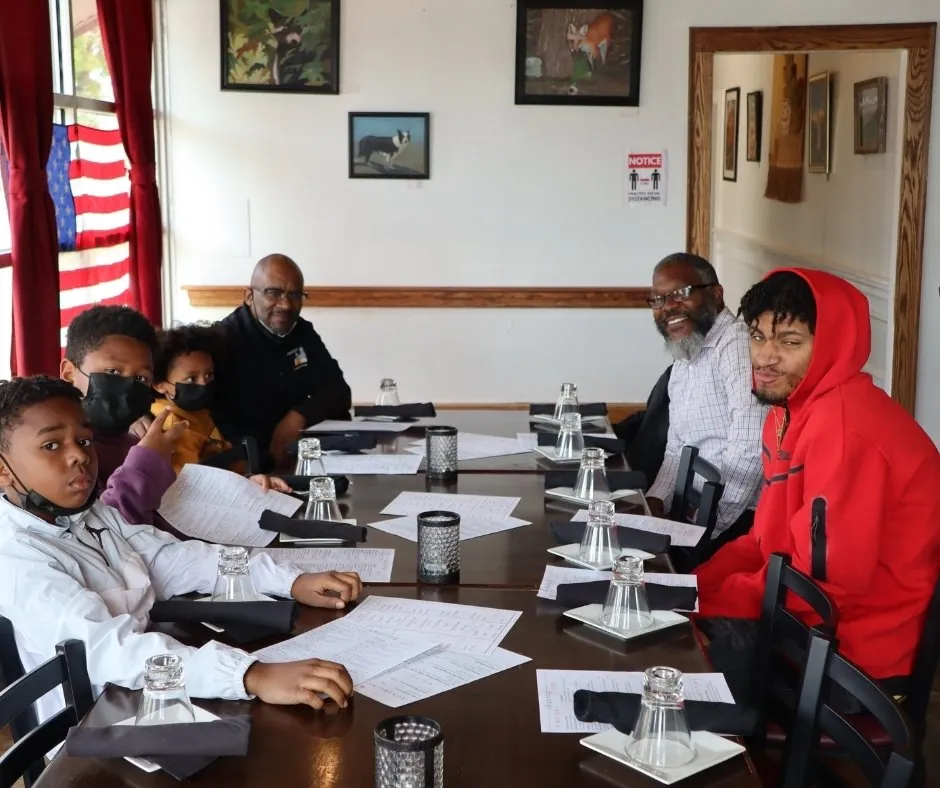
A mentor can widen a young person's view of what is possible. That might look like sharing how you prepared for work, introducing a career path, helping him make a plan for a school project or encouraging him to ask another trusted adult for help. The mentor is not expected to provide every answer or open every door himself.
What he can do is help a young person notice the people and resources already around him. A teacher, coach, counselor, family member, program staff member or employer may have information that a mentor does not. Pointing a young person toward that support is part of responsible guidance, not a sign that the mentor is stepping back.
For families, the goal is to add to the circle around a young person. AFGM's family information explains how a mentor relationship can bring more steady guidance, accountability and encouragement without replacing the people who know a young man best.
5. Help turn ideas into small next steps
A mentor can make a goal feel less overwhelming by helping a young person break it into the next useful move. A young man may say he wants to do better in school, find a job, learn more about a career or handle a difficult relationship differently. Those are meaningful goals, but they can feel vague until someone helps turn them into a plan.
Start small and stay concrete. If school is the concern, the next step might be listing missing assignments, asking a teacher what can still be completed or setting aside two focused study sessions. If work is the concern, it might be building a simple resume, practicing how to introduce himself or identifying three places that are hiring. The right step should be realistic enough to complete before the next conversation.
Mentors can also help a young person prepare for ordinary adult moments that are easy to underestimate: making a phone call, writing an email, asking a question in a meeting, showing up early or following through after someone offers help. These are not glamorous lessons, but they can build confidence because they give a young person a chance to practice being prepared.
There is a balance to keep. The mentor should not take over the task or turn every meeting into a checklist. Ask what the young person wants to try, what might get in the way and how he would like to be supported. When he does follow through, take time to notice the effort. When he does not, stay curious about what happened and help him choose the next honest step instead of turning the moment into a lecture.
Small progress can become a pattern. A mentor who helps a young person keep one commitment, ask one better question or recover from one missed goal is helping him build skills he can use long after a single meeting ends.
6. Keep healthy boundaries and know when to ask for help
A mentor can be a listener, role model and steady guide. He is not a parent, therapist, attorney or emergency service. Clear boundaries protect the young person, the family and the mentor, and they make the relationship more sustainable because everyone understands what the role is and is not.
Use the communication, meeting and reporting practices set by the program. Do not promise secrecy when a safety concern is involved. If a young person shares something about his health, safety or legal situation that feels serious, follow the program's process and bring in the staff, caregiver or qualified professional who should be involved.
The Office of Juvenile Justice and Delinquency Prevention describes mentoring as a consistent, supportive relationship that helps young people develop positively. The quality of that relationship depends in part on knowing when mentorship is enough and when a young person needs a different kind of support.
Good programs make this practical. MENTOR's Elements of Effective Practice for Mentoring Programs identifies preparation, relationship development and ongoing support as important parts of quality mentoring. That means a mentor should have people to contact when a situation is unclear, rather than trying to manage it alone.

7. Work with the family and the program, not around them
Mentoring works best when it strengthens the young person's wider support system. A mentor should respect parents, caregivers, teachers, counselors and program staff. He adds another trustworthy adult connection. He does not compete to become the center of a young person's life.
That takes humility. A caregiver may know important context that changes how you understand a situation. Program staff may see a challenge developing before a mentor does. When a concern comes up, communication and respect help keep the focus on what the young person needs most.
It also makes the relationship safer and more durable. A young person benefits when the adults around him are aligned on care, boundaries and expectations. That is especially important when a mentor is helping him work through a hard season or consider a major choice.
How AFGM helps mentors do the work well
AFGM gives qualified men in Northern Virginia and the wider DMV a structured way to offer one-to-one guidance to boys and young men ages 8 through 21. The role is built around regular contact, a nine-month commitment, monthly meetups and initial plus quarterly training. That structure helps mentors bring consistency without having to figure out every part of the relationship alone.
For men who are ready to make that commitment, AFGM's volunteer mentoring program explains the time, training and support involved. Readers who are still deciding can also use the guide to becoming a mentor and seven habits of a good mentor to think through the role with more confidence.
Questions
Frequently asked questions
What is a mentor supposed to do?
A mentor is a steady, supportive adult who listens, asks thoughtful questions, shares perspective and helps a young person think through goals and choices. The role is not to run a young person’s life or replace the people already caring for him.
What is the difference between a mentor and a teacher?
Teachers focus on instruction and academic progress. A mentor can talk about school, but the relationship is broader and more personal. He offers consistent encouragement, perspective and a dependable adult connection over time.
Does a mentor give advice?
Yes, but advice works best after listening. A mentor can share experience and help a young person consider options, consequences and next steps. The goal is to build the young person’s judgment, not to make every decision for him.
What should a mentor do if a young person needs serious help?
A mentor should follow the program’s safety procedures and involve the right staff, caregiver or qualified professional. A responsible mentor does not promise secrecy or try to handle a health, legal or safety concern alone.
Keep Reading
Related posts
Mentor Guides
How Do I Become a Mentor? A Practical Guide
A clear guide to choosing a mentoring program, preparing for the process, and building a dependable relationship with a young person.
Read the guide →
Mentor Guides
How to Be a Good Mentor: 7 Habits That Matter
Seven practical habits that help a mentor build trust, listen well and offer a young person steady guidance over time.
Read the guide →