
Mentor Guides
How to Find a Mentor for a Teenager
A practical guide for families choosing a mentoring program, asking the right questions and helping a teenager begin well.
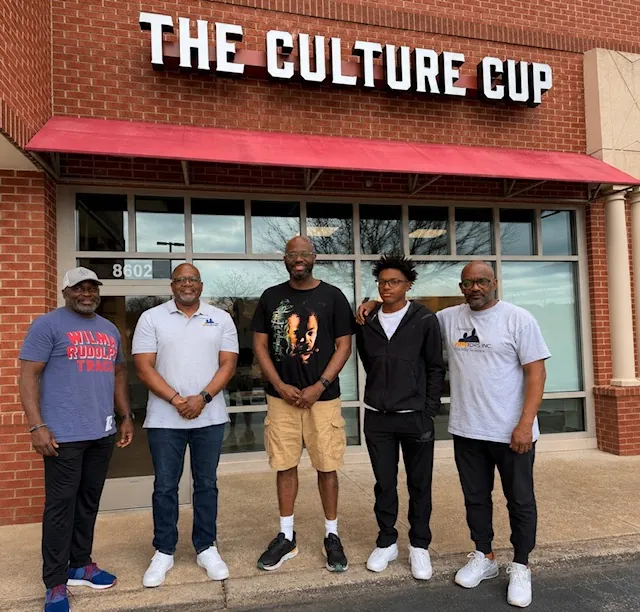
When you are looking for a mentor for a teenager, you are probably looking for more than a friendly adult or another activity on the calendar. You want someone who will listen, keep his word and help your teenager feel supported as school, friendships, work and future plans start to become more complicated.
The right mentor relationship can be meaningful, but it should not be rushed. A good program takes time to understand your teenager, prepare the mentor and give both people support once they are matched. This guide gives families a practical way to evaluate their options, involve their teenager and recognize the signs of a relationship built to last.
Start with the question behind the search. Is your teenager asking for another trusted adult to talk to? Would he benefit from encouragement around confidence, school, goals or a transition? Are you hoping he can spend time with a positive male role model? Naming the need helps you find a program that is a better fit than a broad promise of help.
1. Get clear on the support your teenager needs
There is no single reason a teenager might benefit from a mentor. One young person may want someone to talk with about school or a first job. Another may need steady encouragement while he works through a difficult season. A teenager who seems quiet at home may simply need another respectful adult who has the time to listen without immediately trying to solve everything.
Keep the goal realistic. A mentor is not a replacement parent, therapist, tutor or emergency service. He is an additional adult relationship that can offer perspective, consistency and encouragement. That distinction matters because it helps families look for support that fits the situation instead of expecting one person to carry every responsibility.
Talk with your teenager before you begin calling programs. Ask what he would hope to get from a mentor, what activities he enjoys and what would make an adult feel easier to talk with. He may not have a polished answer. Even a simple conversation lets him know that the relationship is meant to include his voice, not be arranged around him.
AFGM serves boys and young men ages 8 through 21 with one-to-one guidance designed around consistency, character and practical support. Families can review how AFGM works alongside families before deciding whether a mentor relationship is the right next step.

2. Look for a program with real structure
A strong mentoring program should be able to explain how relationships begin and how they are supported after the first meeting. Do not be afraid to ask detailed questions. Careful screening, training and communication are not obstacles to a match. They are signs that the program understands how much trust a young person and family are being asked to place in it.
MENTOR’s Elements of Effective Practice for Mentoring identifies mentor screening, preparation, relationship support and ongoing monitoring as distinct parts of responsible practice. That gives families a practical standard. A program should do more than make an introduction and hope the connection works out on its own.
Ask whether prospective mentors complete an application, interview, reference checks and background screening. Ask what training they receive before meeting a young person and what support is available if a mentor is unsure how to handle a situation. Good programs do not expect a volunteer to have every answer. They give him clear boundaries and a person to contact when he needs guidance.
You should also ask how the program decides that a mentor and teenager may fit well together. Shared interests can help, but they are not the whole story. A thoughtful match considers availability, personality, goals, communication style and the kind of support a teenager may find most useful. It should leave room for both people to get to know one another without forcing instant chemistry.
3. Ask how the program keeps families involved
A mentor relationship is strongest when it adds to the people already caring about a teenager. Families should not be pushed to the edge once a match begins. You deserve to understand the communication plan, meeting expectations and who you can contact when a question comes up.
Ask how often staff check in with caregivers, mentors and young people. Find out whether families are notified when plans change and how the program handles concerns about attendance, communication or fit. The details will vary, but the program should have a clear answer. Silence and vague expectations can make a family feel unsure at the exact time a new relationship needs stability.
It is also helpful to ask how a program handles privacy. Teenagers need space to have honest conversations, but adults must be clear that safety concerns cannot be kept secret. The Office of Juvenile Justice and Delinquency Prevention’s mentoring resources emphasize the importance of quality practice and support around youth mentoring. A responsible program explains its safety procedures before anyone needs them.
AFGM’s family-centered approach keeps the relationship in the wider circle around a young man. The mentor offers another steady perspective, while parents, caregivers, teachers and other trusted adults remain essential to the young person’s life.
4. Help your teenager take part in the decision
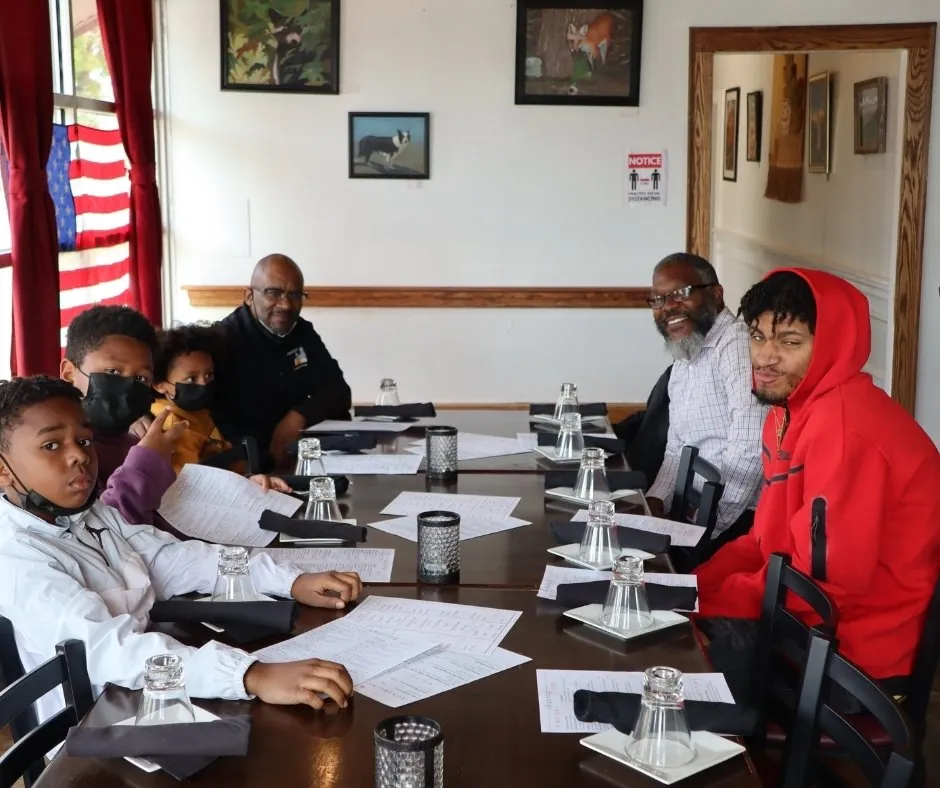
A mentoring relationship is not something that should happen to a teenager. He does not need to make every administrative decision, but he should understand what mentoring is, why you are exploring it and what he can expect from a first conversation.
Start by being direct. Explain that a mentor is not there to judge him, report on every detail of his life or replace family. The purpose is to give him another adult who can listen, encourage him and make time for what matters to him. Let him name anything that would make him uncomfortable, including activities, communication styles or topics he would rather ease into slowly.
Give him a role in the first meeting. He might choose a setting from a few program-approved options, suggest an interest to talk about or prepare one question for the mentor. A small amount of choice can make the meeting feel less like an interview and more like the beginning of a real relationship.
It is normal for a teenager to be unsure. Some young people warm up quickly. Others need several meetings before they decide whether this adult will keep showing up. Avoid demanding instant closeness. Look instead for basic signs of respect: the mentor listens, remembers what your teenager says, follows the program’s expectations and does what he says he will do.
5. Find out what consistency looks like in practice
One of the most important questions is also one of the simplest: how often will the mentor and teenager connect? The right schedule depends on the program, the young person and the family’s routine. What matters most is that the expectation is realistic and that the mentor has support to keep it.
Ask whether contact is weekly, how meetings are confirmed, where they happen and what the process is when something needs to change. A teenager learns a great deal from whether adults make time, communicate clearly and return after a difficult week. Consistency is not about never having a conflict. It is about treating the relationship as important enough to protect and repair.
At AFGM, mentors meet or contact their assigned mentees for at least one hour each week during a nine-month program, with monthly meetups and ongoing mentor training. That steady rhythm helps a young man build familiarity before he is expected to share something personal or make a major change.
A useful first activity does not have to be elaborate. A walk, a game, a meal, a community event or time talking about a goal can all make space for connection. AFGM’s guide to mentor-mentee activities offers simple options that leave room for conversation without putting pressure on a teenager to perform.
6. Know the questions to ask before you say yes
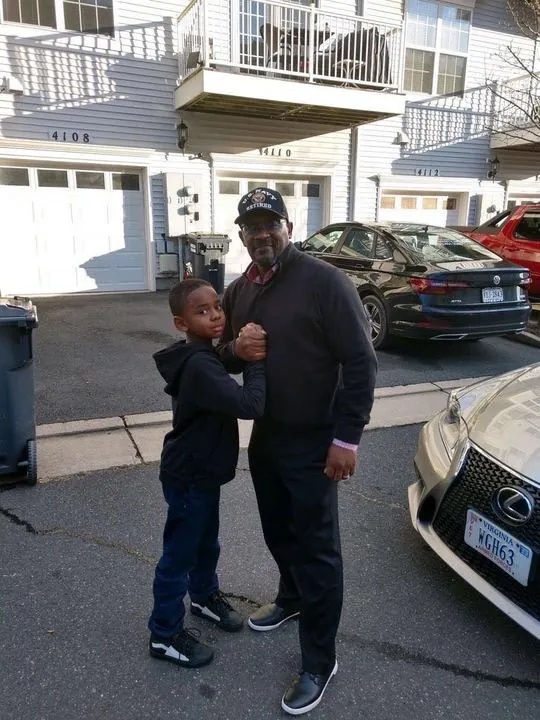
Bring a short list of questions to your first conversation with a mentoring program. You do not need to sound like an investigator. These questions help you understand whether the program is prepared to support your teenager and family well.
How are mentors screened and trained? Look for clear information about applications, interviews, background checks, reference checks, orientation and ongoing training. The answer should explain how the program prepares mentors for the responsibility they are taking on.
How are matches made? Ask what the team learns about your teenager and the mentor before connecting them. A thoughtful program should consider interests and availability, but also communication, personality and the support each person may need.
How will we communicate? Ask who you will hear from, how often staff check in and what happens if a meeting is missed. Families should know how to raise a concern and how the program responds when something needs attention.
What are the boundaries? Ask about transportation, meeting locations, communication channels, gift-giving, social media and safety reporting. Clear guidelines make it easier for everyone to relax into the relationship because expectations are not left to guesswork.
What happens if the match is not working? Not every connection develops in the same way. A caring program has a respectful process for getting more support, adjusting the approach or ending a match when necessary. It should never leave a young person or family wondering whether anyone is paying attention.
7. Give the relationship time to become real
Once your teenager is matched, resist the urge to measure every meeting for a breakthrough. Trust is usually built in ordinary moments: a mentor remembering a school event, showing up for the planned hour, asking a follow-up question or listening through a frustrating week without judgment.
You can help by keeping communication open at home. Ask your teenager how the time felt, rather than pressing him to report every detail. A question like “Did anything stand out?” gives him room to share without turning the relationship into homework. If something concerns you, bring it to the program staff instead of asking your teenager to manage an adult problem.
It can also help to recognize small progress. A teenager may begin sharing more, ask for a mentor’s perspective, try a new activity or follow through on a goal he set for himself. Those are meaningful signs, even when they are quiet. A mentor’s role is to support growth over time, not produce a quick transformation.
For families considering support during the high-school years, AFGM’s high school mentoring page explains how a steady adult relationship can complement the choices and transitions already in front of a young man.
How AFGM helps families begin well
A Few Good MENtors connects boys and young men ages 8 through 21 with qualified men who bring time, character and practical guidance to the relationship. AFGM’s model is built around consistent one-to-one contact, a nine-month commitment, mentor training and monthly meetups, so families are not left to figure out the relationship alone.
For a family in Northern Virginia or the wider DMV community, the first step is simply to share what support would be useful for the young man in your life. The mentorship programs page and male mentoring programs page give more context about the local opportunity. When you are ready, the mentee application opens the conversation with AFGM.
The best mentor relationship is not a promise that one adult will fix everything. It is a dependable addition to a young person’s circle: someone who listens, shows respect, keeps his word and helps a teenager recognize his own strengths and choices.
Questions
Frequently asked questions
How do I find a mentor for my teenager?
Start with a program that serves your teenager’s age group and can explain its screening, training, family communication and match support. Ask your teenager what kind of support would feel useful, then have a conversation with the program about fit before moving forward.
What should I ask a youth mentoring program?
Ask how mentors are screened and trained, how matches are made, how often the mentor and teenager connect, how caregivers stay informed and who helps if a concern arises. Clear answers show that the relationship will have support beyond the first introduction.
Can a mentor replace a parent or counselor?
No. A mentor is another trusted adult in a young person’s wider circle of support. A healthy program respects the role of parents, caregivers, teachers and counselors, and helps a mentor know when another kind of support is needed.
What if my teenager is unsure about having a mentor?
Do not force the relationship. Give your teenager room to ask questions, share concerns and help shape the first meeting. A mentor relationship has a better chance to grow when a teenager understands the purpose and feels respected from the start.
Keep Reading
Related posts

Mentor Guides
How to Be a Mentor to a Teenager
A practical guide to earning trust with a teenager, staying consistent and knowing when to ask for support.
Read the guide →
Mentor Guides
Mentor-Mentee Activities That Build Real Trust
Practical mentor-mentee activities that create room for conversation, confidence and a stronger relationship over time.
Read the guide →Mentor Guides
What Does a Mentor Do? A Practical Guide
A practical look at how mentors build trust, listen well, support growth and stay within healthy boundaries.
Read the guide →