
Mentor Guides
Mentor-Mentee Activities That Build Real Trust
Practical mentor-mentee activities that create room for conversation, confidence and a stronger relationship over time.

Good mentor-mentee activities are not about filling time with the biggest outing or the most impressive plan. They give a young person and a caring adult something comfortable to do together while a relationship has room to grow. The right activity can make conversation easier, show a mentor what matters to a young person and turn an ordinary hour into a dependable part of the week.
That does not mean every meeting needs an agenda. Some of the best moments happen while shooting basketball, walking through a park, working on a small project or sharing a meal. What matters is the adult behind the activity: someone who listens, follows through and does not make the young person perform for his attention. At AFGM, that steady relationship is the point of mentoring.
This guide offers practical ideas for choosing activities that feel natural, respectful and useful. Use the ideas as a starting point, then let the young person’s interests, the family’s expectations and your program’s guidelines shape the plan.
Start with the relationship, not the activity
Before choosing what to do, ask what the time together needs to make possible. A new match may need a low-pressure activity where conversation can come and go naturally. A young person who has already built trust may be ready to talk through a goal, visit a community event or try something that stretches his confidence.
Start with a few simple questions: What do you like doing after school or on the weekend? What is something you would like to get better at? Is there anything you have been curious to try? What makes a good day for you? The answers give you more to work with than assumptions about what a young person should enjoy.
Keep the first plan easy to repeat. A consistent game, walk or snack after an activity can become a familiar rhythm. That is more valuable than a one-time event that is difficult to arrange again. A young person learns that the relationship is reliable when the adult keeps returning, not when the adult spends the most money.
Families can also review how AFGM works alongside families. A mentor is there to add another dependable adult connection, not to compete with the people already caring for the young person.
Choose activities that leave room to talk
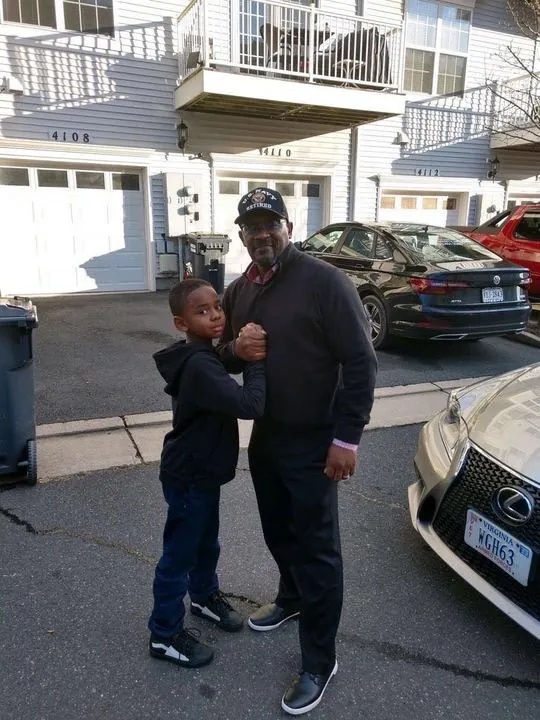
Some activities are better for connection than others. A fast-paced event can be fun, but it may not leave much space to notice how a young person is doing. Look for something with natural pauses: a walk, pickup game, board game, meal, art project, volunteer task or simple errand. When hands are busy, a conversation often feels less formal.
A shared activity also gives a mentor useful openings. After a game, you might ask what felt challenging or what he was proud of. During a walk, he may bring up school, friends or a goal without feeling like he has been called into a serious meeting. Pay attention without forcing the conversation toward a lesson.
MENTOR’s Elements of Effective Practice for Mentoring emphasizes relationship development and ongoing support as part of responsible mentoring. That is a helpful reminder: an activity should support the relationship, not replace the care and guidance around it.
Try not to turn every meeting into a test of progress. A young person may need a place where he can be himself before he is ready to discuss something important. Let the activity be enjoyable, then be ready when he wants to talk.
Five mentor-mentee activities that work in ordinary weeks
1. Take a walk with one good question. A walk does not require equipment, reservations or a complicated plan. Ask a relaxed question such as, “What was the best part of your week?” or, “What is something you are looking forward to?” Then listen. A single thoughtful question can lead to more than a long list.
2. Make something together. Cook a simple snack, build a small project, organize a workspace, draw, assemble a model or work on a school presentation. Creating something gives both people a shared focus. It also makes room to notice patience, problem-solving and effort without turning the moment into a lecture.
3. Play a game that invites conversation. Basketball, cards, chess, a video game or a board game can lower the pressure of direct eye contact. Keep the competition light. The goal is not to prove who is better. It is to share time, practice good sportsmanship and give the young person room to be expressive.
4. Explore a real-life interest. A young person might be curious about a job, a trade, a college path, music, fitness, photography or entrepreneurship. You do not need to be an expert. You can watch a short public demonstration, visit a community event, talk about what the work involves or help him list questions for someone who knows more.
5. Plan one small goal. Pick something the young person cares about, then make the next step manageable. It could be completing an assignment, practicing for a team, preparing for an interview or saving for something important. Write down the goal, name one obstacle and decide when you will check in. The mentor’s role is to encourage good judgment, not to control the outcome.
Let the young person have real input
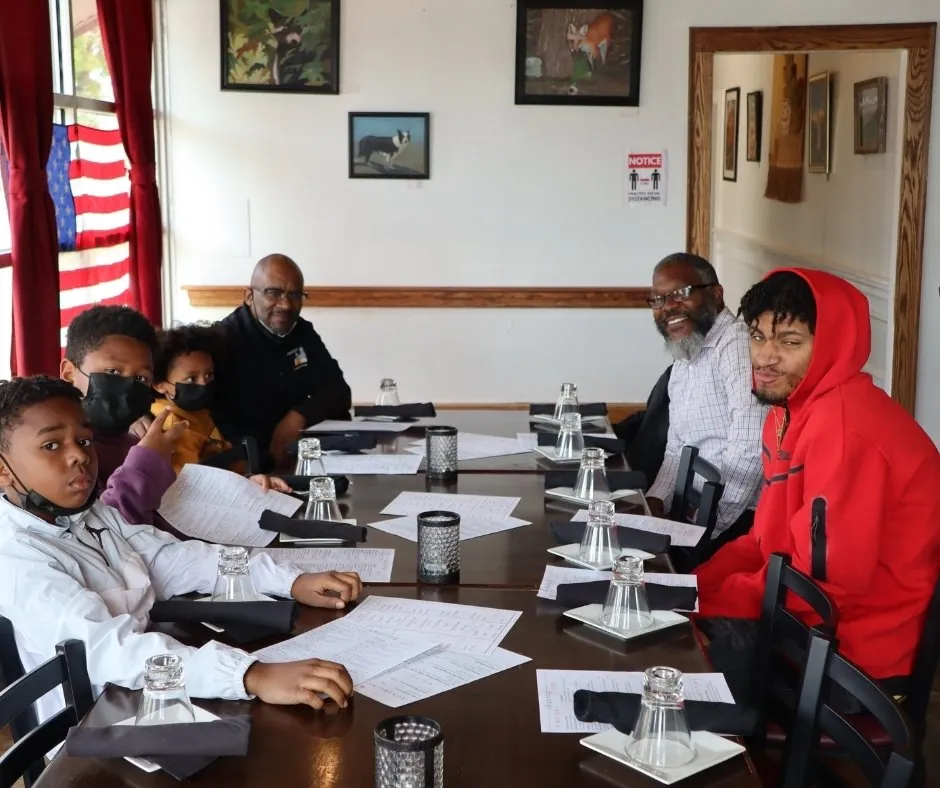
A mentoring activity works better when it is done with a young person instead of being planned entirely for him. Offer two or three realistic options and let him help choose. You might say, “Would you rather shoot around, work on that project idea or grab a snack and talk?” Giving a choice shows respect and helps you learn what feels comfortable for him.
Do not assume that the loudest or most popular activity is the best fit. Some young people enjoy sports. Others would rather draw, cook, read, build something, visit a library or just have a quiet conversation. A good mentor stays curious instead of trying to make every relationship look the same.
Choice also creates an easy way to practice decision-making. Ask what makes one option better than another. Talk about time, cost, effort and what he hopes to get from the experience. These are small conversations, but they can help a young person become more confident about naming what he wants and considering what a choice requires.
For a broader look at the mentor’s everyday role, AFGM’s guide to what a mentor does explains how listening, encouragement and healthy boundaries work together.
Keep the plan simple, safe and repeatable
Mentoring does not need a large budget. In fact, complicated plans can create pressure that gets in the way of connection. A regular community activity, library visit, school event, park walk or game at home may be easier to repeat and easier for everyone to understand.
Follow the program’s rules around transportation, communication, locations, costs and family involvement. A responsible mentoring program should make those expectations clear before a match begins. The U.S. Office of Juvenile Justice and Delinquency Prevention describes mentoring as a supportive relationship between a young person and a caring adult, with quality practice and structure behind the relationship. Its youth mentoring guidance is a useful reminder that good intentions need clear safeguards.
It is also wise to have a backup plan. Weather changes, transportation falls through and young people sometimes have a week when they do not feel like doing much. Keep one or two low-key options ready. A short check-in, a simple game or a conversation about the week can still make the time worthwhile.
Consistency matters more than novelty. A mentor who confirms plans, arrives on time and communicates early when something changes shows a young person that his time matters. That lesson is part of the activity, even when the activity itself is ordinary.

Turn everyday moments into useful conversations
You do not need a formal worksheet to have a meaningful conversation. Use what happens naturally. After a game, ask what he did when something did not go his way. After a school event, ask what felt easy or difficult. When he talks about a friend or a goal, ask what options he sees and what support would help.
Questions work best when they are open and specific. “What are you proud of from this week?” can invite a real answer. “What would you do differently next time?” helps a young person reflect without feeling judged. “Who could help you with that?” reminds him that a mentor should strengthen his wider circle of support.
Share your own experience carefully. A short personal story can make a young person feel less alone, but keep the attention on what he is thinking and deciding. A mentor is not there to turn each meeting into his own biography. The most useful story is the one that opens a question for the young person, not the one that closes the conversation.
For more practical habits behind these moments, read AFGM’s guide to being a good mentor. It covers the reliability, listening and humility that make any activity more meaningful.
Know when an activity is not enough
A mentor can provide steady encouragement, perspective and a caring adult relationship. He is not a therapist, parent, emergency service or the only person responsible for a young person’s well-being. If a young person shares something involving safety, health, abuse, self-harm, violence, legal trouble or another serious concern, do not try to solve it alone or promise secrecy.
Follow the program’s procedures and involve the appropriate staff member, caregiver or qualified professional. Clear boundaries protect the young person and the mentor. They also make it possible to keep showing up in a role that is honest and sustainable.
That balance is one reason a quality program matters. A mentor should have training, a clear point of contact and a process for getting guidance. Men considering the commitment can see the structure AFGM provides through its volunteer mentoring program and the expectations on the Become a MENtor page.
How AFGM helps mentors make the time count
AFGM connects boys and young men with men who offer consistent, character-driven guidance. The program is built around at least one hour of contact each week during a nine-month commitment, with initial and quarterly mentor training and monthly meetups. That gives mentors a real rhythm for building trust, not a one-time volunteer experience.
Activities are part of the relationship, but they are not the whole relationship. The goal is for a young man to have a dependable adult who listens, asks good questions and helps him think through real life. AFGM gives qualified men a structured place to offer that kind of support in Northern Virginia and the wider DMV community.
Questions
Frequently asked questions
What are good mentor-mentee activities?
Good mentor-mentee activities give the young person a real role in the conversation. A walk, game, shared meal, community event, creative project or goal-planning session can work well when it fits his interests and leaves room to listen.
Do mentors need to spend money on activities?
No. Expensive outings are not what make a relationship meaningful. A simple activity that happens consistently and gives both people room to talk is often more valuable than a big plan that cannot be repeated.
How should a mentor choose an activity?
Start with the young person. Ask what he enjoys, what he wants to learn or what would make the time feel comfortable. Then choose an option that fits the program’s rules, the family’s expectations and the time you can reliably give.
What should a mentor do if an activity does not go well?
Do not force it. A quiet conversation, a shorter plan or a different activity next time may be a better fit. The relationship is more important than completing a perfect agenda, and a mentor can ask program staff for guidance when needed.
Keep Reading
Related posts
Mentor Guides
How Do I Become a Mentor? A Practical Guide
A clear guide to choosing a mentoring program, preparing for the process, and building a dependable relationship with a young person.
Read the guide →
Mentor Guides
How to Be a Good Mentor: 7 Habits That Matter
Seven practical habits that help a mentor build trust, listen well and offer a young person steady guidance over time.
Read the guide →
Mentor Guides
Mentor vs. Coach: What Is the Difference for Young People?
Understand how mentoring and coaching differ, where they overlap and how each can support a young person.
Read the guide →