
Mentor Guides
Questions to Ask a Mentor: 25 Thoughtful Prompts
Twenty-five thoughtful questions that can help a young person and mentor build trust, talk through goals and keep conversations moving.

A good question can make a mentoring meeting feel less awkward and more useful. It gives a young person room to name what matters to him, and it gives a mentor something better than a guess about what support might help. The point is not to collect perfect answers. It is to make a steady habit of paying attention.
Questions work best when they are open, unhurried and followed by real listening. A mentor does not need to fill every quiet moment with advice. A young person does not need to have a polished response ready. One honest question, and the patience to stay with it, can be enough to move a relationship forward.
Start with curiosity, not a script
Early meetings can feel a little formal. Both people may wonder what to say, how much to share and whether the other person will really listen. That is normal. Start with everyday subjects, then follow the young person’s lead. Ask about something he already knows well, enjoys or notices in his own life.
The Center for Mentoring Excellence recommends beginning with questions that invite people to talk about themselves and then actively listening to the answer. That is a useful standard for any mentoring relationship. A thoughtful follow-up such as “What made that important to you?” often tells you more than jumping straight to a lesson.
A mentor can also answer questions. Trust grows when the relationship is not one-sided. Share a little about an early job, a challenge or a choice, but keep the story brief and relevant. Then bring the conversation back to the young person: “Does any part of that feel familiar to you?”
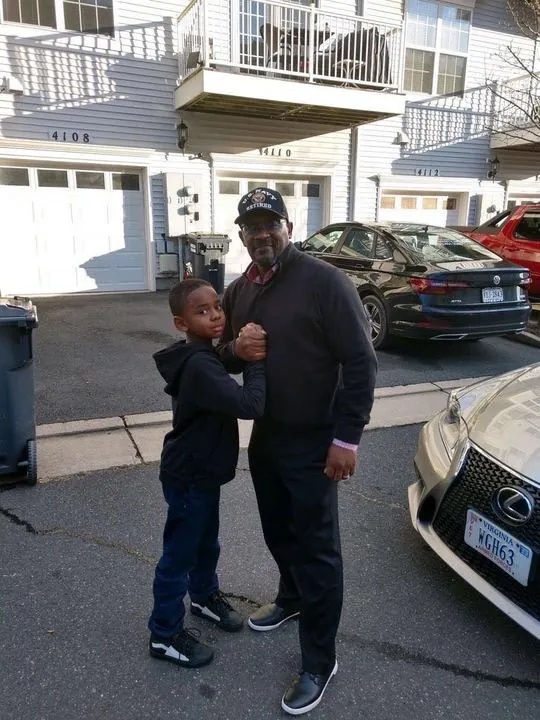
Questions to help people get to know each other
These are useful during the first few meetings or whenever the relationship needs a fresh start. Choose one or two, not the entire list. Let an answer lead naturally to the next part of the conversation.
- What is something you have enjoyed lately?
- What is one thing you wish more people understood about you?
- Who is someone you respect, and what do you respect about them?
- What makes a good day for you?
- What is something you are looking forward to?
- What is a skill, hobby or subject you would like to know more about?
Mentors can use these questions to learn about interests without treating a young person like a case to solve. Young people can use them too. Asking a mentor about the people and experiences that shaped him can make him feel more approachable and can reveal useful perspective without forcing a heavy conversation.
Questions that make room for goals
A mentoring relationship is not only about big plans. A goal can be as immediate as handling a tough class, preparing for a conversation, learning how to manage time or deciding what to do after school. Good questions help a young person name what he wants before an adult rushes in with a plan.
- What is something you would feel proud to improve this month?
- What feels easier than it did a few months ago?
- What is getting in the way of the next step?
- What support would actually be useful from me?
- What is one small action you could take before we meet again?
- How will you know you are making progress?
Instead of telling a young person what his goal should be, a mentor can help him turn a vague hope into a manageable next step. That might mean writing down options, practicing a question for a teacher, researching a career or making a plan for an assignment. The goal belongs to the young person. The mentor brings attention, encouragement and accountability.
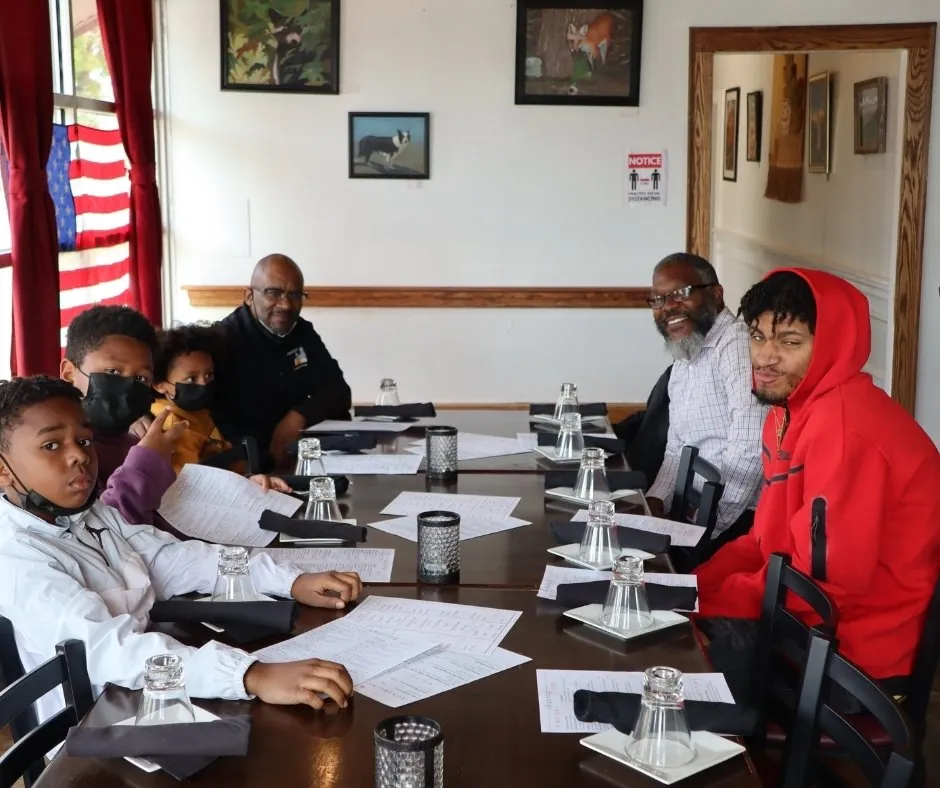
Questions for hard weeks
Not every meeting needs to be upbeat. School, friendships, work, family responsibilities and confidence can all feel difficult. A mentor’s job is not to interrogate a young person or make a serious concern disappear. It is to create a respectful place to think, then involve program staff, caregivers or qualified professionals when something needs more support.
- What has been taking the most energy this week?
- What happened, from your point of view?
- What part of this is in your control?
- Who else could be helpful right now?
- What would make the next few days a little easier?
- Would you rather talk about this now, or come back to it another time?
Listen for what is being said and what may be hard to say. Avoid promising secrecy when a health, safety or legal concern appears. A responsible mentor follows the program’s process and asks for help early. MENTOR’s quality-practice guidance places ongoing relationship support at the center of a strong program, which is why mentors should not be left to manage serious concerns alone.
Questions young people can ask a mentor
Mentoring should not feel like a lecture delivered by the adult. Young people can ask direct questions, too. A mentor may not have every answer, but he can share what he has learned, explain how he thinks through choices and admit when a different expert is needed.
- What was a decision you had to think hard about when you were my age?
- Who helped you when you were still figuring things out?
- What is a mistake that taught you something useful?
- How do you handle it when a plan does not work out?
- What do you wish you had asked for help with sooner?
- What do you think makes someone dependable?
These questions are not about copying someone else’s life. They help a young person see that adults make mistakes, adjust and keep learning. They also show a mentor where his experience may be useful. If he does not know the answer, a strong response is honest: “I am not sure, but let’s find a good next person or resource together.”
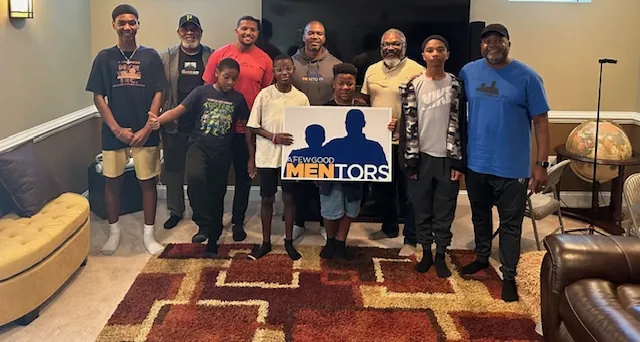
Questions that keep the relationship moving
Some of the best questions are simple check-ins that make it clear the mentor remembers what mattered last time. They show that the relationship is not starting over at every meeting. Try asking: What happened with the plan you mentioned? What have you been thinking about since we last talked? What is one thing you want to carry into next week? Is there anything you wish I had asked you sooner?
These questions also give a young person permission to shape the relationship. He may want more advice, less advice, a chance to talk through a decision or just a shared activity before a harder conversation. A mentor can say, “I want this time to be useful to you. What would help?” That small invitation turns mentoring into a partnership and makes it easier to adjust before either person pulls away.
How to listen after asking
The question is only the opening. Give the answer time. Let a young person finish before offering a story or a solution. Reflect back what you heard: “It sounds like you felt left out,” or “You are proud of how you handled that.” This shows that the conversation landed and gives him a chance to correct you.
Try not to stack questions one after another. A mentoring conversation should not feel like a test. When an answer is short, a simple “Tell me more about that” may be enough. When a young person does not want to talk, respect that. A shared activity, a walk or a quiet check-in can still build trust. The relationship gains strength when people see that they can be themselves without being pressured.
It also helps to keep promises between meetings. If you said you would look up a program, bring an idea for an activity or check in at a certain time, do it. Conversation builds connection, but consistency is what makes those conversations believable.
How AFGM helps conversations become a steady relationship
At AFGM, mentoring is built around showing up with consistency, respect and practical care. Mentors meet or contact their assigned mentees for at least one hour each week during a nine-month program. That regular rhythm gives questions and conversations time to grow into trust.
Men considering the role can read AFGM’s mentor overview and the practical habits of a good mentor. Families who are exploring a relationship for a young man can visit AFGM’s family page. The goal is not a perfect conversation every week. It is a dependable relationship where a young person knows that someone is willing to listen, encourage him and return next time.
Questions
Frequently asked questions
What questions should I ask a mentor at the first meeting?
Start with questions that help you understand each other: what your mentor enjoys, who helped him when he was younger, what he wishes adults understood about young people and what he hopes the relationship will feel like. You do not need to cover everything in one meeting.
How many questions should a mentor ask in one meeting?
A few open questions are usually enough. Leave time to listen, follow up and let the conversation move naturally. A mentoring meeting should feel like a relationship, not an interview.
What should I do if my mentee does not want to talk?
Do not pressure him to share. Try a low-pressure activity, ask a simple question about the week and let silence be okay. Consistency and respect often make future conversations easier.
Can a mentor share personal experiences?
Yes, when the story serves the young person rather than taking over the conversation. Share briefly, be honest about what you learned and bring the focus back to what the young person thinks or wants to try.
Keep Reading
Related posts

Mentor Guides
Mentor-Mentee Activities That Build Real Trust
Practical mentor-mentee activities that create room for conversation, confidence and a stronger relationship over time.
Read the guide →
Mentor Guides
How to Be a Mentor to a Teenager
A practical guide to earning trust with a teenager, staying consistent and knowing when to ask for support.
Read the guide →
Mentor Guides
How to Find a Male Mentor for Your Son
A practical guide for families seeking a safe, steady male mentor who can support a son with respect and consistency.
Read the guide →