Mentor Guides
How Do I Become a Mentor? A Practical Guide
A clear guide to choosing a mentoring program, preparing for the process, and building a dependable relationship with a young person.
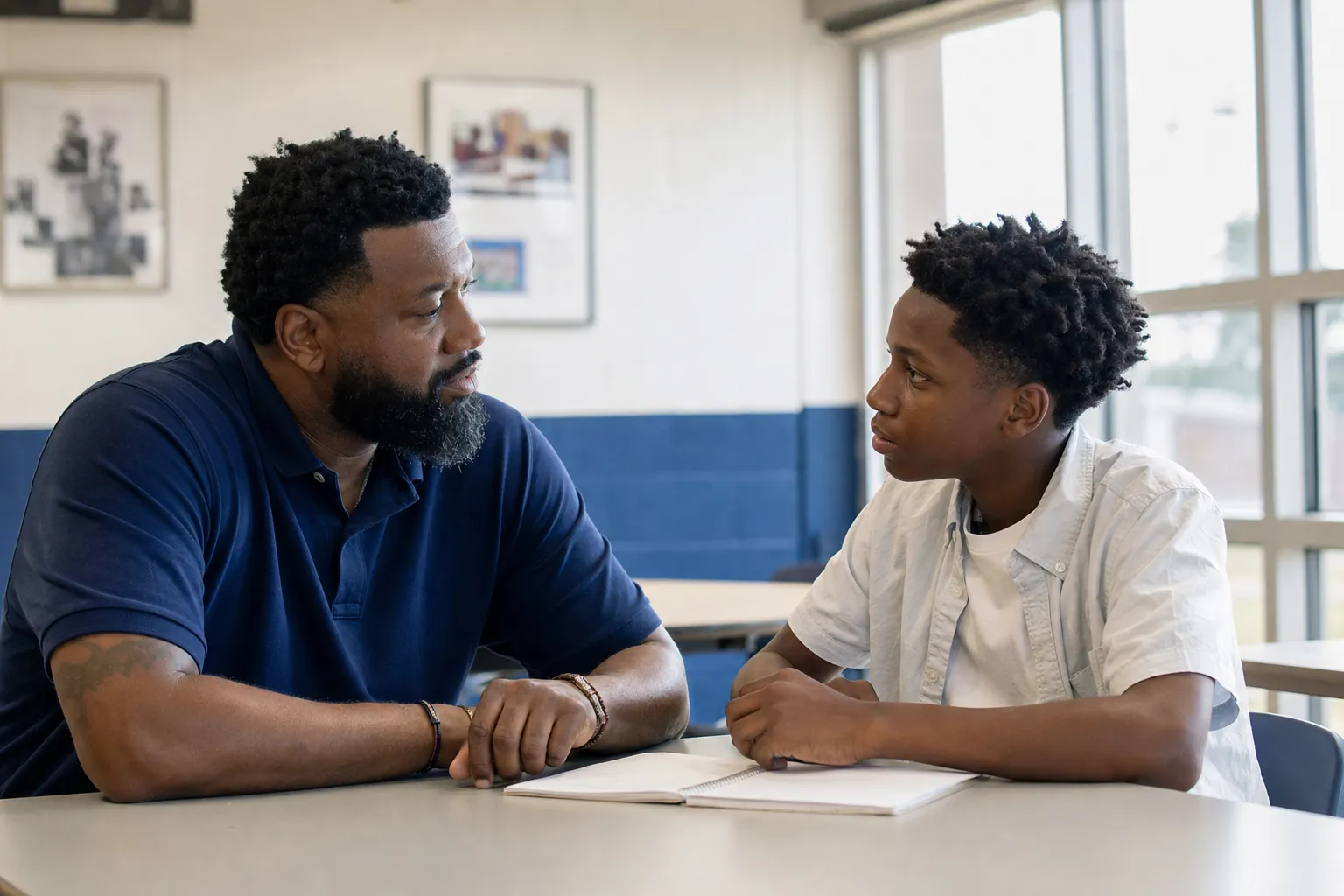
Becoming a mentor is less about having all the answers and more about choosing to be a reliable adult. A young person does not need another person trying to run his life. He needs someone who listens, asks good questions, notices progress and keeps his word.
That can sound simple. It is not casual. Youth mentoring works best when an adult is thoughtful about the commitment, joins a program with good safeguards and stays open to learning. This guide walks through what to consider before you apply, what a responsible program should provide and what it takes to earn trust over time.
1. Start with an honest look at your capacity
Before you complete an application, look at your calendar. Can you protect a regular hour each week? Can you travel to meetings or join a scheduled call? Can you stay present when work, family and other demands get busy? A dependable rhythm matters more than elaborate outings or speeches.
Think about the kind of relationship you are prepared to offer. Some programs pair one adult with one young person. Others use group, school-based, career-focused or short-term models. The national mentoring organization MENTOR recommends considering your available time, the age group you hope to serve, preferred activities and setting before choosing a program. That reflection helps you choose a role you can sustain.
Do not promise more than you can deliver. A young person will remember whether you showed up when you said you would. A smaller commitment you can honor is far more valuable than an ambitious promise that disappears after a few weeks.
It also helps to talk with the people who share your schedule. Let your family, employer or close friends know what you are taking on, especially if mentoring will affect evenings or weekends. Their support will not replace your responsibility, but it can make it easier to protect the time when life gets crowded.
2. Know what a mentor does, and what a mentor does not do
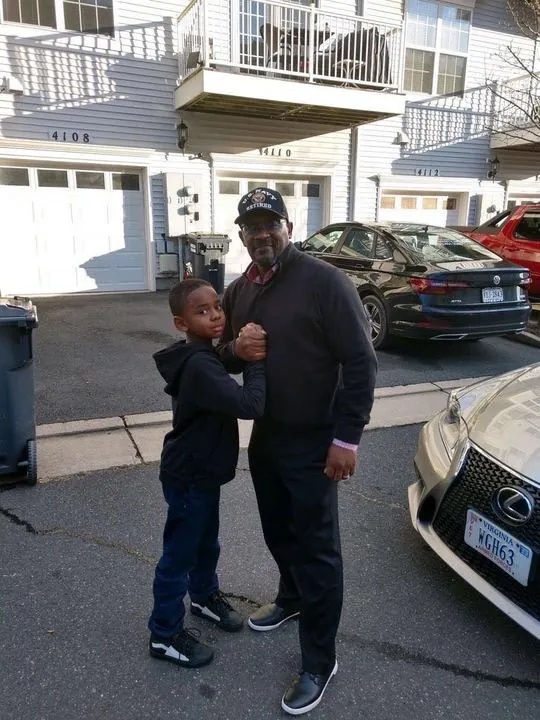
A mentor can be a listener, role model, encourager and practical guide. You might talk through school choices, a first job, a difficult friendship or a goal the young person is not yet sure he can reach. You may share your own experience, but the relationship should not become a lecture series. Ask first. Listen closely. Let the young person have a real voice in what you do together.
There are clear limits, too. A mentor is not a parent, therapist, attorney or emergency responder. If a young person reveals something that raises a safety, health or legal concern, follow the program’s protocol and involve the staff who are there to help. The U.S. Office of Juvenile Justice and Delinquency Prevention describes youth mentoring as a consistent, prosocial relationship that supports positive development, while also emphasizing the importance of quality practice and support.
Strong programs make these boundaries plain before a match begins. They explain communication rules, meeting expectations, transportation policies, reporting responsibilities and when to call for help. If you are unsure about a situation, asking the program early is a sign of maturity, not failure.
A useful rule is to be supportive without trying to be indispensable. Your role is to add stability to the young person’s wider support system, not to compete with parents, caregivers, teachers or counselors. Respecting those roles creates more trust with everyone involved and keeps the focus on what the young person needs.
3. Choose a program that takes trust and safety seriously
Do not treat screening as red tape. It protects young people and gives everyone a clearer foundation for the relationship. A responsible youth mentoring program should be able to explain how it screens mentors, prepares families, makes matches and stays in contact after the relationship begins.
A formal process commonly includes an application, interview, references and background checks. The State of Michigan’s mentoring guidance also describes orientation, training, matching and ongoing support as normal parts of joining a youth mentoring program. The timeline can take longer than a volunteer may expect because the program is assessing fit and putting safety first.
You should also ask what training is offered before and after you are matched. MENTOR’s Elements of Effective Practice for Mentoring identifies mentor screening, mentor preparation, relationship-building and ongoing support as distinct parts of quality practice. That is a useful standard: a program should not simply introduce two people and hope for the best.
Ask how the program stays involved after the first meeting. Who checks in when plans change? How often will staff contact you, the young person and the caregiver? What support is available if the relationship feels stuck? Good programs do not wait for a problem to become serious before offering help.
4. Prepare to build the relationship slowly
Trust rarely arrives in the first conversation. A young person may be quiet, distracted or unsure whether you will actually come back. Do not take that personally. Keep your commitments, keep your tone respectful and leave room for the relationship to develop at its own pace.
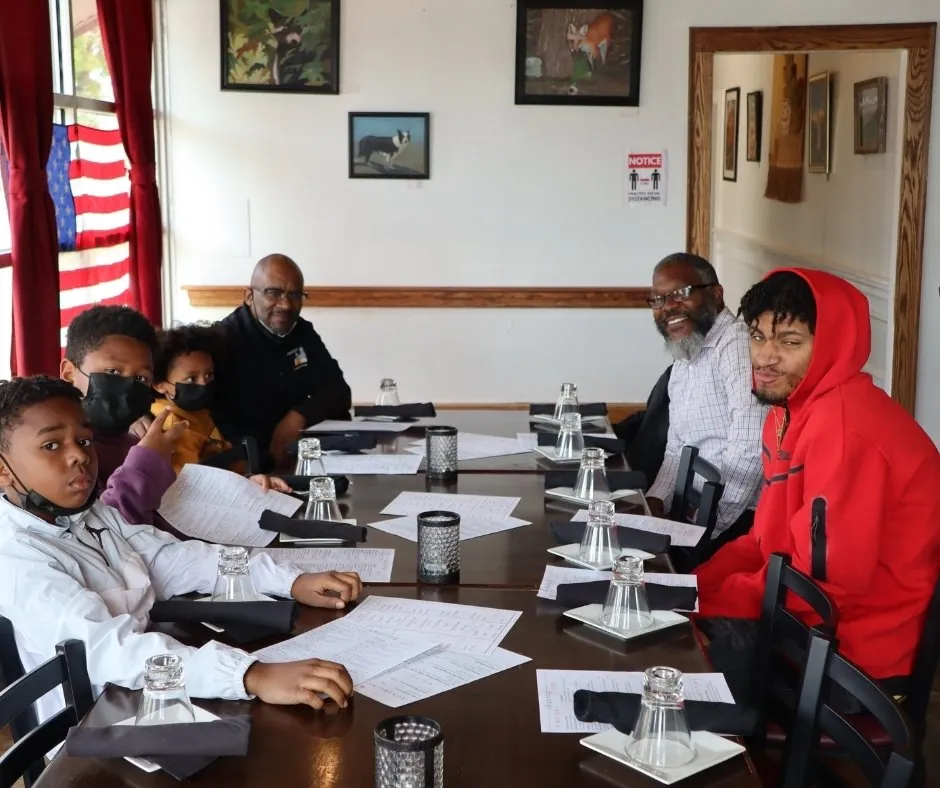
Early meetings do not need to be profound. Start with a shared activity, a walk, a game, a conversation over food or a simple goal for the week. Pay attention to what the young person enjoys and what he wants help thinking through. Small moments often do more than a big planned event because they show that you are interested in the person, not just the idea of mentoring.
Listen for strengths as carefully as you listen for problems. Ask questions such as: What went well this week? What would you like to get better at? Who do you trust? What is one thing you want adults to understand about you? A mentor can help a young person notice his own judgment, effort and progress.
When a conversation slows down, you do not need to fill every silence. Give the young person time to think. Share a little about yourself when it is useful, but do not turn each meeting into your story. The relationship becomes stronger when the young person sees that his ideas, frustrations and hopes are worth paying attention to.
5. Bring consistency, curiosity and boundaries to every meeting
Being a good mentor does not require you to be flashy, wealthy or endlessly available. It does require you to be steady. Confirm plans. Arrive on time. Follow through on what you say you will do. If an unavoidable change comes up, communicate early and reschedule through the program’s process.
Curiosity keeps the relationship from becoming one-sided. Rather than assuming you know what a young person needs, ask and listen. Respect differences in background, interests and perspective. The best question is often not “What should you do?” but “What options do you see, and what might happen with each one?” That approach supports good judgment without taking over.
Boundaries make the relationship safer and more durable. Use the program’s approved communication channels. Keep personal information private within the rules of mandatory reporting and safety. Do not make promises you cannot keep. Avoid trying to become the young person’s only support; encourage positive connections with family, school, trusted adults and the wider community.
It is also okay to admit when you do not know something. You can look for an answer together, ask program staff for guidance or help the young person find a qualified professional. Honesty builds more credibility than pretending to be an expert on every subject.

6. Focus on the first few months, not a flawless result
New mentors sometimes put pressure on themselves to create a breakthrough right away. That pressure can make every quiet meeting feel like a problem. A better goal for the first few months is simple: establish a dependable pattern, learn what matters to the young person and build enough trust for more honest conversations to become possible.
Keep a few low-pressure ideas ready, but let the young person help shape the time. You might make a short list of activities that fit the program’s guidelines, then ask which one sounds worthwhile. You might set a small goal together, such as getting organized for a school assignment, learning about a career, practicing a new skill or simply trying something he has been curious about.
Notice the small signs of progress. Maybe he starts sharing more, asks for your opinion, remembers an earlier conversation or follows through on something he said he wanted to do. Those moments do not need a grand celebration. A calm “I noticed you handled that well” can reinforce effort without turning the relationship into a performance review.
7. Decide where you can make a lasting contribution
Once you understand the commitment, choose a program whose mission and structure fit your life. Ask practical questions: How often do matches meet? What ages do you serve? What training is required? How are caregivers involved? Who do I contact when I have a concern? What happens if a match needs support or a planned ending?
For men in Northern Virginia and the wider DMV who are ready to give consistent time, AFGM’s mentor program offers a clear place to start. AFGM mentors meet or contact their assigned mentees for at least one hour each week, receive initial and quarterly training and join a nine-month program built around character, accountability and practical support.
The goal is not to become a hero in someone else’s story. The goal is to become a dependable part of the circle around a young person: someone who notices, listens, challenges with care and returns next week. That kind of presence can change what a young man believes is possible.
If you are still deciding, begin with a conversation. Read the program’s expectations, ask about the training and be candid about your schedule. The right program will welcome thoughtful questions because a careful decision at the start is one of the best ways to protect a relationship once it begins.
Questions
Frequently asked questions
Do I need special qualifications to become a mentor?
Most youth mentoring programs are looking first for a reliable adult who can listen, respect young people and honor a real commitment. Each program has its own eligibility, screening and training process, so ask before you apply.
How much time does mentoring take?
The right answer depends on the program. Before applying, be honest about your schedule, commute and family responsibilities. At AFGM, mentors meet or contact their assigned mentees for at least one hour each week, with monthly meetups during a nine-month program.
What should I do if a young person shares something serious?
Do not try to handle a crisis alone or promise secrecy. Follow the program’s safety procedures and contact the staff member who supports your match. A mentor can be a steady guide, but is not a therapist, parent or emergency service.
What if we do not have much in common at first?
Start with curiosity instead of trying to impress. Ask about music, school, sports, family, goals and everyday interests. Trust is built through respectful attention and consistency, not by having the same background.
Keep Reading
Related posts

Mentor Guides
How to Be a Good Mentor: 7 Habits That Matter
Seven practical habits that help a mentor build trust, listen well and offer a young person steady guidance over time.
Read the guide →