Mentor Guides
Mentor vs. Coach: What Is the Difference for Young People?
Understand how mentoring and coaching differ, where they overlap and how each can support a young person.
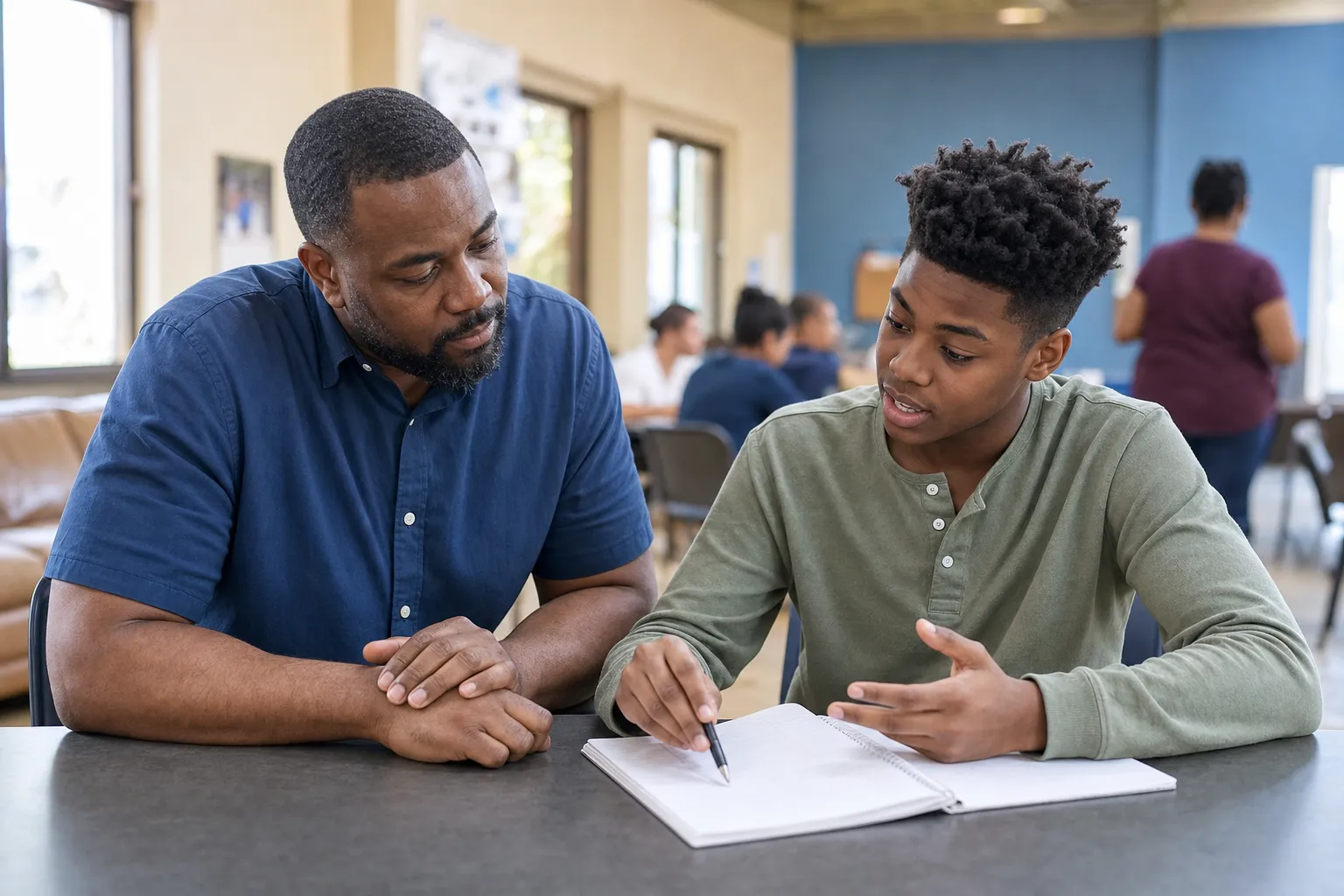
Mentor and coach are often used as if they mean the same thing. Both roles can help a young person grow. Both can ask thoughtful questions, offer encouragement and make room for someone to practice a new skill. The difference is usually in the purpose of the relationship.
A coach is often focused on a specific result: improving a skill, preparing for a performance, building a habit or reaching a goal. A mentor is usually focused on the person over time. He brings perspective, consistent attention and an adult relationship that can hold many kinds of conversations. For a young person, both can matter. The important thing is to understand what each role can offer, and what it cannot.
At AFGM, the focus is mentoring. Boys and young men are paired with men who offer steady one-to-one guidance, practical encouragement and a reliable relationship. That means showing up consistently, not simply helping someone improve at one task.
A mentor helps a young person make sense of life
A mentor does not need to have the same background, interests or career as the young person he supports. His value comes from the relationship. He listens without taking over, asks questions that help the young person think clearly and shares experience when it is useful.
One week, the conversation may be about school. Another week, it may be about a friendship, an upcoming job interview, a family responsibility or a goal that feels out of reach. The topic can change because the relationship is not built around one narrow outcome. It is built around helping a young person feel seen, respected and capable of making sound choices.
The U.S. Office of Juvenile Justice and Delinquency Prevention describes mentoring as a supportive relationship between a young person and a caring adult. Its work on quality youth mentoring makes a useful point for families and volunteers alike: the relationship needs structure and support, not just good intentions.
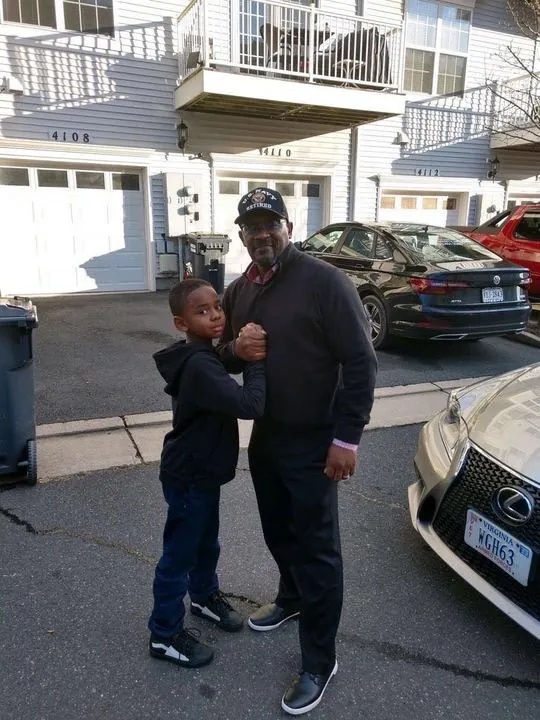
A coach helps a young person work toward a defined goal
Coaching is usually more focused. A coach may help a young person improve a basketball skill, prepare for a debate, learn a trade, build study habits or work through a goal with clear steps. The relationship can be deeply encouraging, but the work often has a defined context and a visible target.
That focus is useful. A young person who wants to improve may benefit from an adult who can observe, give feedback, create practice opportunities and keep progress moving. Good coaching can teach discipline, resilience and the value of preparation. It can also create a trusted connection that lasts beyond the immediate goal.
Still, a coach is not expected to carry every part of a young person’s life. The coach may care deeply, but the role should have clear limits. When a young person needs help with a safety, health, legal or serious family concern, the right response is to involve the appropriate caregiver, program staff or qualified professional.
Where mentoring and coaching overlap
The two roles share important habits. Both work best when an adult is reliable, prepared and respectful. Both should listen before giving advice. Both can help a young person set a realistic goal, notice progress and recover from a setback without shame.
A mentor may use coaching skills inside a conversation. For example, he might ask a young man to name one goal for the week, think through obstacles and decide what support would help. A coach may also become a mentor when he pays attention to the young person beyond performance and keeps showing up with genuine care.
The difference is not about which title sounds better. It is about being honest about the relationship. A young person deserves to know who is in his corner, what kind of support that person can provide and where to turn when he needs help beyond that role.
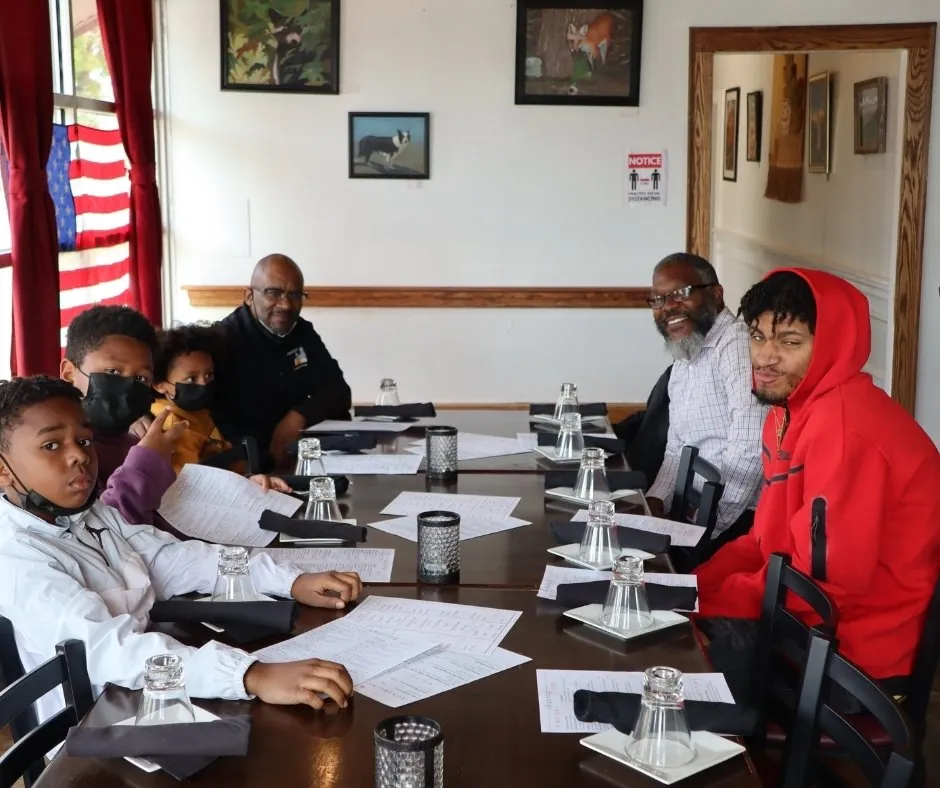
Questions that put the young person first
Families and volunteers do not need to choose between a mentor and a coach based on the label alone. A better starting point is to ask what the young person needs right now. Is there a particular goal he wants help reaching? Does he need a patient adult who can help him practice, prepare and keep going when progress is slow? Or does he need a consistent relationship where he can talk through the bigger questions in his life?
Then look at the adult’s capacity. Is he willing to keep a regular commitment? Does he know how to listen without turning every conversation into a lesson? Can he accept guidance from parents, staff or other adults when a situation is outside his role? Those questions matter more than an impressive title. A thoughtful adult who follows through can be more valuable than someone who promises a lot but cannot sustain the relationship.
It also helps to ask what support surrounds the adult. A mentoring program should be able to explain its screening, training and ongoing contact. A coach working in a school, team or activity should know how to communicate concerns through the right channels. Young people benefit when the adults around them are connected, respectful and clear about who is responsible for what.
Finally, make room for the young person’s voice. Ask what kind of support feels useful to him, what goals matter most and what makes him feel respected. An adult relationship is stronger when it is done with a young person, not simply to him. That approach helps mentoring and coaching stay focused on growth instead of control.
How to tell which kind of support a young person needs
Start with the question in front of him. If he needs to improve a specific skill or prepare for a short-term goal, coaching may be the right fit. He may need help practicing, receiving feedback and building a plan he can follow. This could be useful for sports, academics, leadership, career preparation or another focused area.
If he needs another dependable adult relationship, mentoring may be more useful. A mentor can make room for the broader questions that do not fit neatly into a practice plan: Who do I want to become? How do I handle a difficult friendship? What does responsibility look like when life gets busy? What are my options after high school?
Many young people benefit from both, along with family, teachers, counselors and community leaders. No one adult has to fill every role. In fact, a wider circle is often healthier. A young person can have a coach who helps him work on a goal and a mentor who helps him reflect on the choices around it. Families can explore AFGM’s family mentoring program when they are looking for that added layer of steady support.
What healthy boundaries look like in both roles
Mentoring and coaching are strongest when adults know their limits. Neither role replaces a parent or caregiver. Neither role makes someone a therapist, emergency responder or expert in every problem. An adult should never promise secrecy when a young person shares something that may involve safety.
Responsible programs make expectations clear. They explain how adults communicate with young people, who provides support, what happens when plans change and how concerns are handled. MENTOR’s Elements of Effective Practice for Mentoring identifies screening, preparation, relationship building and ongoing support as core parts of a quality program.
For a prospective mentor, those standards are a good sign. You should be able to ask practical questions before you commit. How often will we meet? Who do I contact when I am unsure? How are families involved? What training and support will I receive? A program that answers clearly is showing respect for everyone involved.
How AFGM gives mentors a clear role
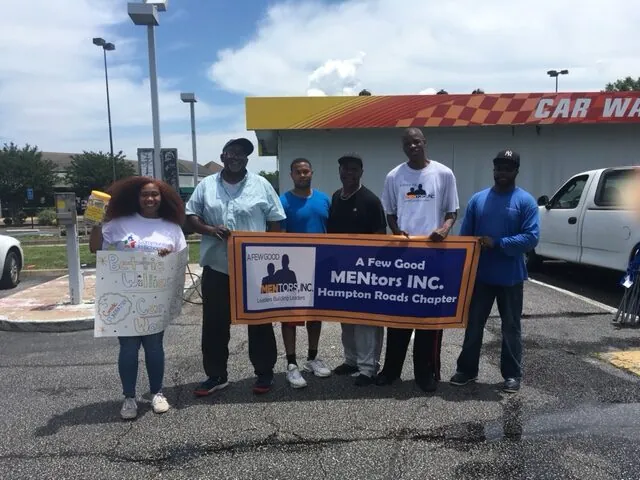
AFGM is built for men who want to give boys and young men a steady relationship, not a quick fix. Mentors meet or contact their assigned mentees for at least one hour each week during a nine-month program. Initial and quarterly training, plus monthly meetups, give mentors a structure for showing up well.
That approach gives a young man time to be known. It also gives mentors support when a question or concern needs more than one person’s judgment. Prospective volunteers can read about mentoring at AFGM, see what the commitment involves on the volunteer mentoring program page and use the guide to being a good mentor to think through the habits that build trust.
Questions
Frequently asked questions
What is the main difference between a mentor and a coach?
A mentor offers a steady relationship, perspective and encouragement over time. A coach usually helps a young person build a particular skill, reach a goal or improve in a defined area. The two roles can overlap, but their purpose and time frame are often different.
Can one person be both a mentor and a coach?
Yes, an adult may use coaching skills inside a mentoring relationship, such as helping a young person set a goal or practice a difficult conversation. The relationship should still be clear about its boundaries, responsibilities and the support available when a concern needs more than encouragement.
Is a sports coach also a mentor?
A sports coach can become an important mentor, but coaching a team does not automatically create a mentoring relationship. A young person benefits most when the adult takes time to listen, knows the limits of the role and follows through beyond performance or playing time.
Does a young person need a mentor or a coach?
It depends on the need. A young person who wants steady encouragement and another trusted adult may benefit from a mentor. Someone working toward a specific skill, activity or goal may benefit from coaching. Many young people are supported by both, along with family, teachers and other caring adults.
Keep Reading
Related posts

Mentor Guides
How to Be a Good Mentor: 7 Habits That Matter
Seven practical habits that help a mentor build trust, listen well and offer a young person steady guidance over time.
Read the guide →
Mentor Guides
What Does a Mentor Do? A Practical Guide
A practical look at how mentors build trust, listen well, support growth and stay within healthy boundaries.
Read the guide →
Mentor Guides
What Is a Youth Mentor? A Clear Guide to the Role
Learn what youth mentors do, what they do not do and how a steady relationship can support a young person.
Read the guide →