
One-to-one guidance
AFGM connects mentors with boys and young men ages 8 through 21. The relationship is personal, giving a mentor time to learn what matters to his mentee and offer support that fits real life.
For Men Ready To Show Up
Give one dependable hour each week to a young man who can benefit from your presence, perspective and steady encouragement.
A Commitment That Matters
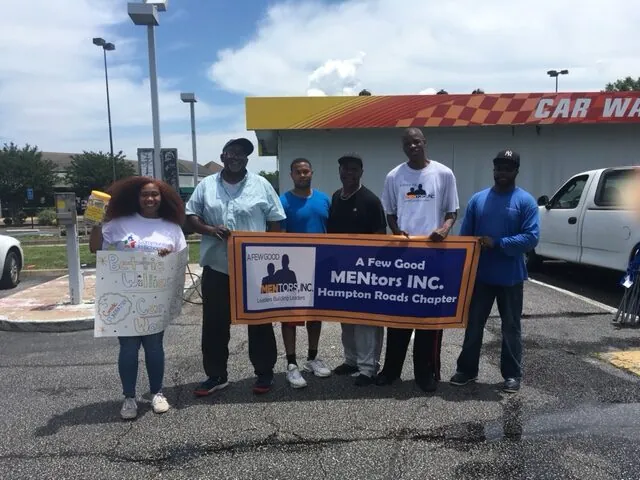
Most young men do not need another lecture. They need a man who is willing to listen, ask a better question, share an honest perspective and come back next week. A Few Good MENtors brings men in Northern Virginia and the wider DMV into one-to-one relationships with boys and young men who can benefit from steady guidance.
Mentoring is not about having the same childhood, career or personality as the young man you meet. It is about being present enough to learn who he is and reliable enough to earn his trust. When a mentor keeps his word, makes time and pays attention, he gives a young man a practical example of the kind of man he can become.
That consistency is especially valuable during the years when a young man is forming his own ideas about responsibility, relationships and the future. A mentor can be another voice that reminds him his choices matter, his goals are worth working toward and he does not have to figure everything out alone. The relationship is built gradually, through ordinary conversations and the decision to keep showing up.

What You Bring
A good mentor brings more than advice. He brings patience, consistency and the willingness to see a young man's strengths before the young man sees them himself. You may help him talk through a difficult choice, prepare for a conversation, explore a goal or simply recognize progress that would otherwise go unnoticed.
There is no single script for a meaningful relationship. Some conversations will be about school, work, health, leadership or the habits that make everyday life stronger. Others may be lighter, built around an activity, a shared interest or a moment to catch up. What matters is that the young man knows the time is real and the person across from him is invested.
Your own experience can be useful without becoming the center of the relationship. A story about a setback, a lesson from work or the way you handled a difficult moment may give a young man a new perspective. Just as important is the discipline to listen first. Good mentoring gives him room to name what he wants, identify what is getting in the way and take responsibility for his next move.
How The Program Works
AFGM connects mentors with boys and young men ages 8 through 21. The relationship is personal, giving a mentor time to learn what matters to his mentee and offer support that fits real life.
Mentors meet or contact their assigned mentees for at least one hour every week. The rhythm is simple on purpose. Trust grows when a young man can count on the adult who says he will be there.
AFGM's mentoring program is built around a nine-month commitment and monthly meetups. That gives a relationship the time it needs to move beyond introductions and become a consistent source of encouragement.
Mentors receive initial and quarterly training. AFGM helps mentors understand the importance of healthy boundaries, safety, respect and staying connected to the program as the relationship develops.
The AFGM Framework
AFGM uses S.H.I.E.L.D.S., a framework for the values and life skills that support a stronger future: Spirituality, Health, Integrity, Education, Leadership, Development and Stewardship. It gives mentors and young men a useful language for talking about what matters when life gets complicated.
You do not have to force every conversation into a lesson. Your role is to make space for a young man to think, reflect and take ownership of his next step. A question asked at the right moment, a commitment kept or an example set with integrity can stay with him long after the conversation ends.
The Right Role
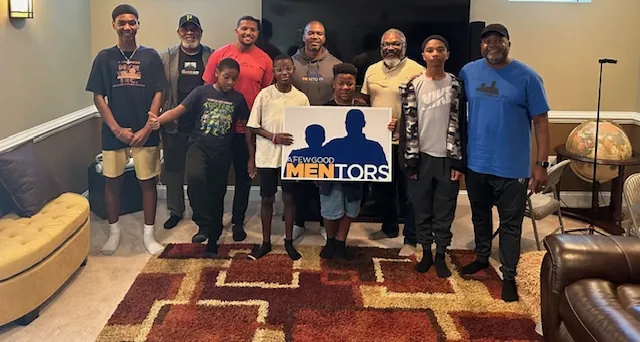
Mentoring works best when it adds to the circle around a young man. A mentor can listen, encourage, challenge with care and help him think through choices. He is not there to replace a parent, caregiver, teacher, counselor or other trusted adult in the young man's life.
That distinction protects the relationship. Families should know the adults around their son are working with respect, not competing for influence. Mentors should know they can bring steady support while staying within healthy boundaries and communicating with AFGM when questions come up.
For many volunteers, this is also what makes the role sustainable. You are not expected to solve every problem. You are asked to show up, be honest, keep learning and offer the kind of stable presence that helps a young man feel seen and supported.
There will be weeks when the most meaningful thing you do is keep a small promise: make the call, meet for the hour, ask how a goal is going or remember something he told you before. Those actions can feel modest from the mentor's side. To a young man learning whether adults are dependable, they can say a great deal.
Is Mentoring A Fit?
Mentoring may be a strong fit if you can protect one hour each week, listen without rushing to judge and remain curious about a young man's life. You do not need to have every answer, but you do need to value follow-through. AFGM is looking for men who understand that small, repeated actions can carry real weight.
Many men volunteer because they remember someone who made time for them, or because they wish they had more guidance when they were younger. That experience can be meaningful, but the relationship is always about the young man in front of you. He deserves your attention, respect and willingness to meet him where he is.
The mentor application is a simple first step. It gives AFGM a chance to learn about you, answer your questions and help you understand the commitment before a relationship begins.
Consider the season you are in before you apply. The best time to volunteer is when you can give the relationship dependable attention, not when you are trying to squeeze it into whatever is left over. A young man benefits from knowing that his mentor has chosen to make the time, and you benefit from starting with a commitment you can keep.
Getting Started
Tell AFGM a little about yourself, your interests and why you are interested in becoming a mentor.
Talk through the weekly rhythm, program expectations and the kind of presence young men need from the adults who volunteer.
Bring the consistency, care and accountability that give a young man room to grow one conversation at a time.
Questions
AFGM is looking for qualified men in Northern Virginia and the wider DMV who are ready to offer their time, character and practical guidance to a young man. The mentor application is the right place to begin the conversation about fit.
Mentors meet or contact their assigned mentees for at least one hour each week. AFGM also holds monthly meetups, and the program is built around a nine-month commitment.
Yes. AFGM provides initial and quarterly mentor training so mentors can approach the relationship with care, healthy boundaries and respect for the young man and his family.
Each relationship is different. Time together may include conversation, goal-setting, community activities, encouragement around school or work, and practical support as a young man makes choices about his future.
A Few Good MENtors
Bring your time, character and experience to a mentoring relationship that can make a difference one week at a time.