Mentor Guides
How to Start a Mentoring Program for Youth
A practical guide to planning a youth mentoring program with clear purpose, careful safeguards and steady support for every match.
A youth mentoring program starts with care for young people, not a sign-up sheet for volunteers. It is easy to see a need in your school, neighborhood, faith community or organization and want to act quickly. That instinct matters. But a mentoring relationship asks a great deal of everyone involved. Young people need adults who keep their word. Families need clarity and a way to raise concerns. Mentors need preparation and someone to call when a situation becomes complicated.
The strongest programs build that support before the first match begins. This guide offers a practical starting point for community leaders who want to create a program that is useful, safe and sustainable. It is not legal or clinical advice. Local requirements, safeguarding obligations and the needs of the young people you serve should shape every decision.
1. Begin with a real local need
Before deciding what the program will look like, listen. Talk with young people, caregivers, school staff, youth workers and organizations already doing related work. Ask what support is missing, what would make a relationship feel worthwhile and what barriers could keep people from participating. A program for middle-school boys, for example, may need a different meeting rhythm, referral network and family communication plan than one supporting young adults entering work.
This step also helps you avoid building a duplicate service in isolation. The federal guidance for starting a mentoring program recommends assessing local needs and resources, then looking for existing programs and partners. A nearby school, youth center, counselor, workforce organization or mentoring provider may already have knowledge and trust that a new program needs.
Write down a clear problem your program can actually address. “Help young people thrive” is a worthy aspiration, but it is too broad to guide decisions. A clearer aim might be helping ninth-grade students build school confidence, helping young men explore careers or giving boys a consistent adult relationship during a key transition. A specific purpose makes later choices about recruitment, training and evaluation much easier.
2. Define the program before recruiting anyone
Decide whom you will serve, who will mentor them and how the relationship will work. Set the age range, meeting setting, expected frequency, match length and focus of the program. Be honest about what is realistic. A weekly one-to-one relationship requires different staffing and supervision than a monthly group activity or a school-based lunch program.
Clear boundaries protect the experience from becoming confusing. Explain what mentors are and are not expected to do, how communication will happen, who can transport young people, what information can be shared and how concerns will be reported. Policies should be practical enough that a volunteer can follow them on a busy Tuesday, not merely a document stored in a folder.
MENTOR’s current Elements of Effective Practice for Mentoring frames program values and strong program design as early building blocks, alongside recruitment, screening, training, match support and evaluation. That sequence is useful because it keeps the program focused on the full relationship, not just the moment two people are introduced.
Make a short program map before writing a long handbook. It can name the people involved, the referral path, meeting expectations, staff responsibilities, safety checkpoints and how a relationship ends well. When a question comes up later, the team has a shared starting point rather than relying on each volunteer to invent an answer. Review the map with people who know the local community, then revise it before the first match begins.
3. Put safety and screening at the center
A mentoring program has a responsibility to create conditions where young people can participate safely. That requires more than good character references or a warm conversation with a prospective mentor. Build a documented process for applications, interviews, reference checks, background checks where appropriate, youth and caregiver enrollment, and clear decisions about who is a suitable fit.
Screening is not about treating volunteers with suspicion. It is about taking the role seriously and making fair, consistent decisions. The MENTOR guidance on volunteer screening emphasizes that programs are responsible for screening volunteers and placing them in appropriate roles. Keep records securely, follow applicable local rules and get qualified advice when creating your safeguarding procedures.
Make sure young people and caregivers also understand the program. They should know how meetings are arranged, what to do if they feel uncomfortable, whom to contact and how to ask for a change. A young person should never feel that he has to stay silent to protect an adult’s feelings. A safe program makes it easy to speak up early.
4. Prepare mentors, young people and caregivers
Training gives mentors a shared understanding of the role before expectations become personal. Cover program rules, boundaries, communication, developmental differences, cultural humility, listening, goal-setting and the process for raising a concern. Give mentors a chance to practice what they might say when a young person is quiet, disappointed, frustrated or facing a problem beyond a mentor’s role.
Prepare young people and caregivers too. Explain what a mentor can offer, what healthy boundaries look like and how the family remains part of the young person’s support system. The Youth.gov overview of effective programs identifies clear expectations, caregiver involvement, training and ongoing support as important parts of a strong program. That is a practical reminder that preparation belongs to everyone, not just volunteers.
Training should not end on match day. Offer refreshers, peer learning and a named staff contact. A mentor may understand the basics in a classroom and still need help when a meeting is missed or a young person shares something worrying. Ongoing support is what turns a policy into a dependable practice.
5. Match people carefully and set the first rhythm
Matching is more than pairing people who share an interest. Consider schedules, location, communication needs, preferences, experience and the type of support a young person is looking for. Do not promise a perfect match. Instead, explain how the program makes a thoughtful introduction and what will happen if the fit needs attention.
Set the first few meetings up for ordinary conversation rather than performance. A walk, a game, a shared meal, a community event or time talking about school can all give people room to learn about each other. AFGM’s collection of mentor-mentee activities shows how simple, youth-centered activities can support trust without putting pressure on either person to manufacture instant chemistry.
Be specific about the initial rhythm. Decide who confirms plans, how often staff will check in and how mentors should respond if a meeting changes. Reliable contact matters because a young person is often deciding whether this adult will truly return. Early clarity gives the relationship a better chance to grow at a healthy pace.
6. Support every match after the introduction
Do not treat the first meeting as the finish line. Program staff should have regular, age-appropriate check-ins with the young person, mentor and caregiver. Ask what is working, whether the meeting rhythm is realistic and whether anyone needs help. Give people permission to raise small concerns before they become reasons to disengage.
Support also means knowing your limits. A mentor can listen, encourage and help a young person think through a next step. He is not a therapist, emergency service or replacement parent. Build referral relationships with qualified local professionals and organizations so staff know where to turn when a young person needs specialized help.
Budget for this work. Match support takes staff time, even when the program begins with only a few pairs. A small pilot with meaningful check-ins is safer and more valuable than a large launch that leaves volunteers and families to manage alone.
Plan for endings as carefully as beginnings. A mentor may move, a family schedule may change or a young person may outgrow the original format. Give people a respectful way to close, celebrate what was meaningful and connect to the next appropriate support. A thoughtful ending helps prevent a relationship from simply fading away, which can feel especially difficult for a young person who has taken a risk by trusting an adult.
7. Include families and community partners
Mentoring works best when it adds to a young person’s circle of support. Caregivers should know the program’s expectations and have a respectful way to stay connected. Their input can help staff understand scheduling, safety, interests and changes that affect the match. Partnership does not mean asking families to report every private conversation. It means treating them as essential adults in a young person’s life.
Community partners can also make the program more useful. A school may offer space. A youth-serving organization may help with referrals. A local employer may create career exposure. These partnerships should be clear about roles, information sharing and safeguarding. Start with the few relationships that genuinely strengthen the program instead of collecting names that never become active support.
As you plan activities, keep young people’s voices in the room. Ask what topics, places and goals feel relevant to them. Programs gain credibility when participants can see that their experience shapes the work.
8. Measure what matters, then improve carefully
Choose a few indicators that show whether the program is delivering the experience it promised. You might track match length, meeting consistency, training completion, participant feedback, referral follow-through and whether young people feel heard and safe. Do not reduce a relationship to a spreadsheet, but do use information to notice patterns that deserve attention.
Ask mentors, caregivers and young people what could work better. Review a pilot before expanding it. If staff are stretched, mentor training is rushed or families are unclear about communication, solve those issues before recruiting another group. A program earns trust by improving what it can see, not by claiming to have it all figured out.
The goal is not a flawless launch. It is a program sturdy enough to keep learning while offering young people consistency, respect and care.
What AFGM’s model can teach a new program
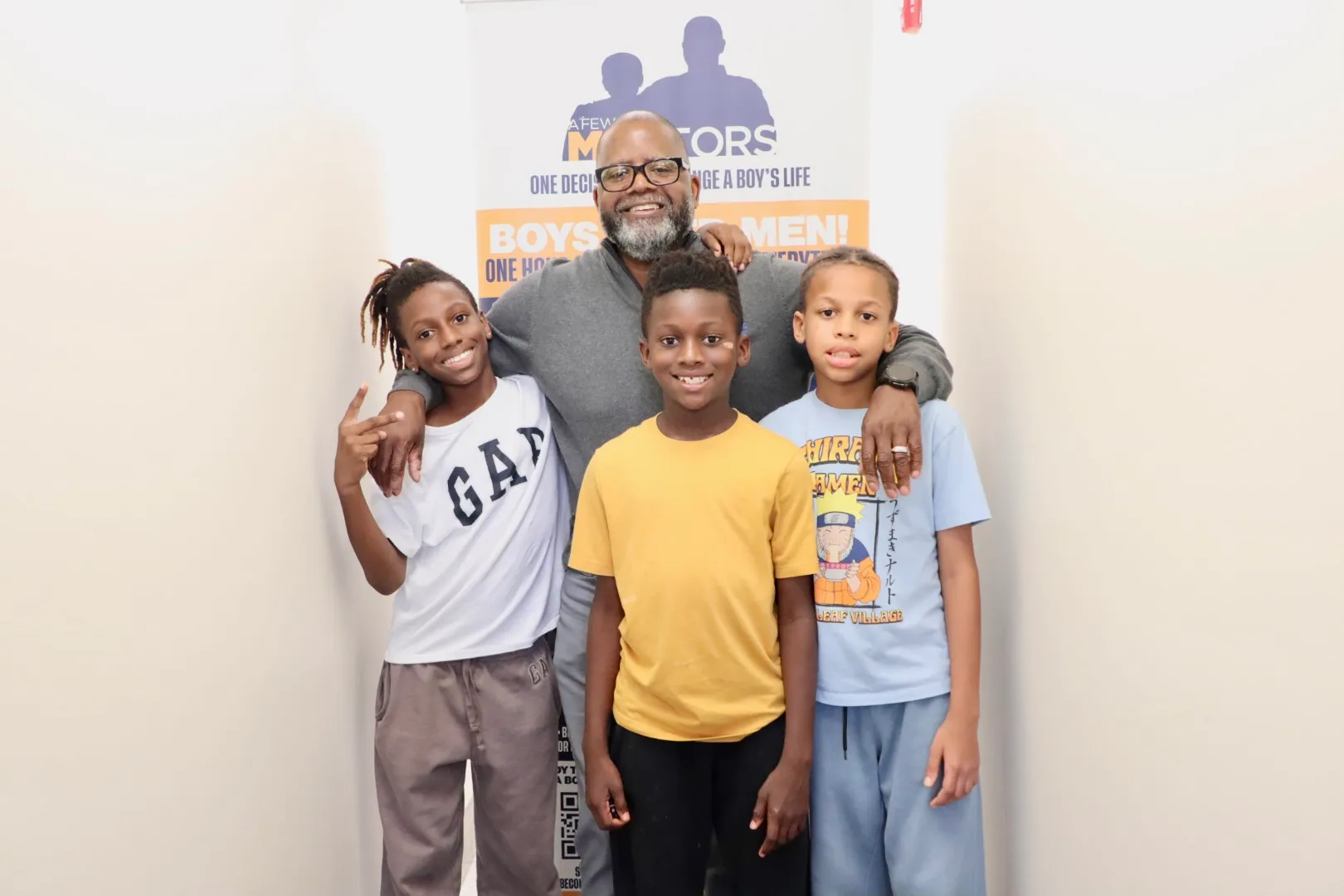
A Few Good MENtors serves boys and young men ages 8 through 21 in Northern Virginia and the wider DMV through consistent, character-driven mentoring. The program asks mentors to meet or contact their assigned mentees for at least one hour each week during a nine-month commitment, while providing initial and quarterly training. That structure reflects a simple principle: relationships need a dependable frame to grow.
AFGM also keeps mentoring connected to family, community and practical development. Its mentoring program centers guidance around health, integrity, education, leadership, development and stewardship. Community leaders planning a new initiative can take the same lesson: define the values, support the adults and create a rhythm young people can count on.
If you are a Northern Virginia family looking for a mentor rather than building a new program, visit AFGM’s family information page. Men ready to make a steady commitment can explore the volunteer mentoring program.
Questions
Frequently asked questions
What is the first step in starting a youth mentoring program?
Start by listening to young people, families, schools and community partners. Define the gap the program will address, the young people it can responsibly serve and the support already available nearby before recruiting mentors or setting a launch date.
Do youth mentoring programs need mentor screening and training?
Yes. A responsible program needs clear screening, training and safety practices before mentors are matched with young people. Screening and preparation are part of protecting young people, volunteers and families, not an administrative extra.
How often should a youth mentoring program check in after a match begins?
The exact schedule depends on the program, but staff should stay in regular contact with mentors, young people and caregivers. Consistent match support helps surface scheduling problems, questions and concerns before a relationship loses momentum.
Can a new mentoring program begin with a small group?
Yes. A small, well-supported pilot is often wiser than launching many matches without enough staff, training or follow-up. Start at a size your team can supervise carefully, learn from the first cycle and expand only when the support system is ready.
Keep Reading
Related posts

Mentor Guides
How to Be a Good Mentor: 7 Habits That Matter
Seven practical habits that help a mentor build trust, listen well and offer a young person steady guidance over time.
Read the guide →
Mentor Guides
Mentor-Mentee Activities That Build Real Trust
Practical mentor-mentee activities that create room for conversation, confidence and a stronger relationship over time.
Read the guide →
Mentor Guides
Benefits of Youth Mentoring: What Families Should Know
A practical, evidence-informed look at how a steady mentor can support a young person, and what families should expect from a strong program.
Read the guide →