
Mentor Guides
Benefits of Youth Mentoring: What Families Should Know
A practical, evidence-informed look at how a steady mentor can support a young person, and what families should expect from a strong program.

Families often look for mentoring because they want a young person to have another adult in his corner. That hope makes sense. A steady mentor can make room for a conversation that does not fit neatly into school, home or a busy week. He can listen, ask useful questions and show a young person that his goals deserve attention.
Mentoring is not a quick fix, and it should not be sold as one. The most meaningful benefit is usually the relationship itself: a dependable adult connection that adds to the support a young person already has. When a program prepares mentors, involves caregivers and stays present after the match, that relationship can help a young person feel more connected, capable and hopeful about what comes next.
A mentor adds another trusted adult
Young people do not need one person to carry every responsibility in their lives. They benefit from a wider circle that may include family, teachers, coaches, counselors, neighbors and other adults who care about their future. A mentor can be one important part of that circle, offering a different perspective without trying to take over anyone else’s role.
The Centers for Disease Control and Prevention’s guidance on protective factors identifies connectedness to family or adults outside the family as a relationship protective factor for young people. That does not mean every caring adult relationship produces the same result. It does mean that consistent, prosocial connections matter, especially when a young person is learning who he can talk to and where he belongs.
A good mentor earns trust by being predictable. He follows through, communicates when plans change and pays attention to what the young person says. Those ordinary habits can feel small, but they teach a powerful lesson: this relationship is real enough to count on.

Mentoring can make room for better conversations
Sometimes a young person needs a place to talk without feeling like every conversation is a correction, a grade or a family meeting. A mentor can listen to what is happening at school, with friends, at work or around a goal the young person is unsure how to reach. The mentor does not need a perfect answer. Thoughtful attention is often the more useful starting point.
That does not mean a mentor should become a therapist or promise secrecy. Healthy mentoring has clear boundaries. When a concern involves safety, health, legal issues or a need for professional care, the mentor follows the program’s process and brings in the right adult support. Families should see that as a strength, not a limitation.
For a young person, being asked a calm question such as “What do you want to do next?” can build confidence over time. A mentor can share perspective, challenge an assumption with care and help him think through options. AFGM’s guide to what a mentor does explains how that role stays supportive without taking control.
It can support goals without turning life into a lecture
Many young people are already surrounded by adults who care about grades, attendance, choices and future plans. A mentor can support those same goals in a different way. Instead of leading with an instruction, he can ask what the young person wants, what feels difficult and what might be one realistic next step. That approach leaves room for the young person to practice making decisions instead of simply receiving advice.
A goal can be practical and small: finish an assignment, prepare for a job interview, learn more about a career, join an activity or have a difficult conversation with more confidence. The mentor’s job is not to take credit for the outcome. It is to help the young person break the problem into manageable choices, notice his own effort and return to the goal with him later.
This is one reason consistency matters. A single conversation about a goal can be encouraging, but a mentor who asks about it again shows that the young person’s plans are worth remembering. Families can help by allowing the relationship to have its own rhythm. A mentor should respect privacy and program boundaries, while caregivers remain the people who know their child’s day-to-day needs best.
Progress often starts with belonging and confidence
Mentoring does not have to begin with a major plan. Trust may grow during a walk, a game, a meal, a community event or a conversation about music, school or a first job. The point is not to make every meeting impressive. It is to create a respectful rhythm where a young person can be himself and gradually feel more comfortable naming what matters to him.
Research on youth mentoring finds benefits across social, emotional, behavioral and academic areas, while also making an important point: average effects tend to be modest. That is a useful dose of honesty. A mentoring relationship works best when expectations are realistic, when the young person has a voice and when the adults around him work together instead of expecting one volunteer to solve everything.
Families can support this by noticing small signs of growth. Perhaps a young person starts sharing more, follows through on a goal, asks for advice or feels comfortable trying a new activity. Those moments may not look dramatic from the outside, but they can be the building blocks of stronger judgment and self-belief.
Mentoring works best as part of a wider support system
It is tempting to expect a mentor to change everything. That is too much to place on one relationship, and it can make a young person feel like he is a problem to be fixed. Mentoring is strongest when it adds to what is already working: supportive family members, engaged teachers, community programs, faith communities, coaches and friends who encourage healthy choices.
Families can ask a program how it communicates with caregivers and how mentors are taught to respect family roles. They can also make space for a young person to describe the relationship in his own words. Instead of asking for a full report after every meeting, try open questions such as, “How did the time feel?” or “Was there anything you enjoyed talking about?” A calm, curious response makes it easier for a young person to share honestly.
When an adult relationship needs support, getting help early protects everyone involved. A missed meeting, a misunderstanding or a shift in a young person’s needs does not automatically mean the match has failed. Strong programs have staff who can reset expectations, help people communicate and decide what is best for the young person. That support is part of the benefit families should look for from the beginning.
Consistency matters more than a perfect activity
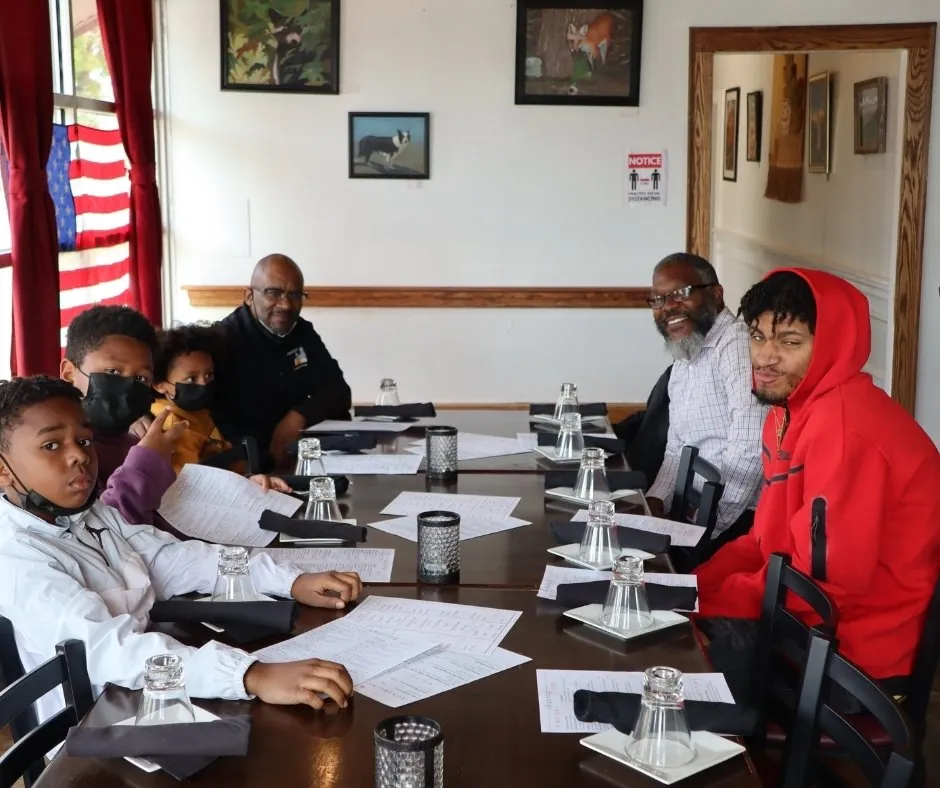
A young person is more likely to trust a mentor who keeps a realistic commitment than one who plans a big outing and then disappears. This is why families should ask practical questions before joining a program: How often will the mentor and young person connect? How are plans confirmed? Who notices if meetings stop happening? What support is available when life gets complicated?
At AFGM, mentors meet or contact their assigned mentees for at least one hour each week during a nine-month program. The program also includes monthly meetups, initial preparation and quarterly mentor training. That structure does not guarantee instant chemistry, but it gives the relationship a dependable frame in which trust can develop.
Simple activities are usually enough. A game of basketball, a shared meal, a library visit, a conversation about a career or a small goal can all work when the young person has real input. Families and mentors looking for practical ideas can use AFGM’s guide to mentor-mentee activities that build trust.
Quality programs protect the relationship
The benefits of mentoring depend heavily on how the relationship is supported. A responsible program does more than introduce a volunteer and a young person. It screens and prepares mentors, communicates with caregivers, establishes safety expectations and stays available when either person needs guidance.
MENTOR’s Elements of Effective Practice for Mentoring describes screening, training, relationship support and ongoing monitoring as core parts of responsible practice. Families do not need to become experts, but they should feel comfortable asking how a program handles each one.
Ask how matches are made, how staff stay in contact and what happens when a relationship needs more support. The answer should be specific. A program that takes those questions seriously is showing families that it understands the responsibility involved.
What families should expect in the first few months
The beginning of a mentoring relationship can feel quieter than families expect. A young person may be polite but reserved. He may need time to decide whether the mentor will really keep showing up. The mentor may also be learning which questions feel welcome and which activities make conversation easier. That is normal. Trust is usually earned through repetition, not introduced in the first meeting.
Look for steady basics before looking for a breakthrough. The mentor should respect the program’s rules, arrive when expected, communicate through approved channels and speak to the young person with genuine interest. The young person should have room to say no to an activity, offer an idea or take time before sharing something personal. A relationship built this way is less likely to depend on pressure or performance.
If your family is deciding whether to begin, write down the questions that matter most: What kind of support would help right now? What schedule is realistic? What would make your young person feel respected? Then use those questions in a conversation with the program. A thoughtful beginning gives the relationship a better chance to become the kind of steady support you hoped to find.
How AFGM supports young men and families
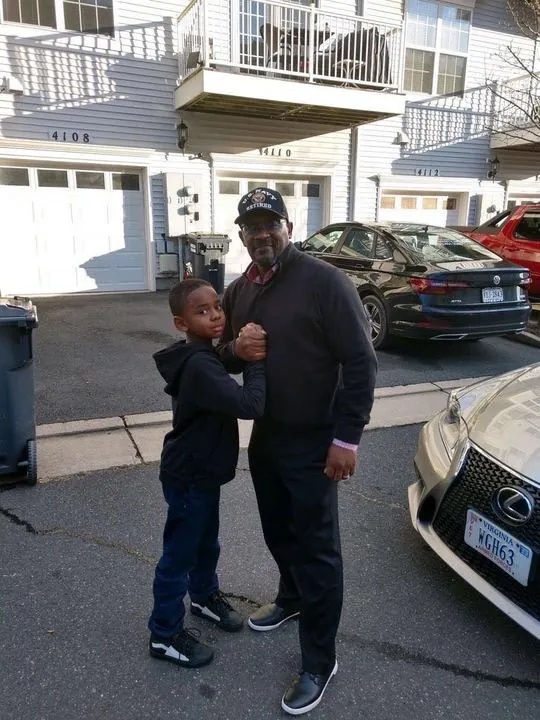
AFGM connects boys and young men ages 8 through 21 with experienced, character-driven mentors in Northern Virginia and the wider DMV. The work is grounded in consistent one-to-one contact, practical guidance and respect for the family’s role. The S.H.I.E.L.D.S. framework gives mentors and young men a shared way to think about spirituality, health, integrity, education, leadership, development and stewardship.
For families, the right first step is a conversation about fit. The family information page explains who AFGM serves and how to begin. Young men who are approaching early adulthood can also explore mentoring for ages 18 to 21, while families seeking a mentor for a teenager can use the guide to finding a mentor.
The goal is not to promise a transformation on a deadline. It is to build a relationship strong enough for a young man to know that someone will listen, encourage him and be there again next week.
Questions
Frequently asked questions
What are the benefits of youth mentoring?
A strong mentoring relationship can give a young person another dependable adult who listens, encourages healthy goals and helps him feel connected. Research suggests benefits are usually modest and depend on relationship quality, support from the program and a commitment that lasts.
Can a mentor replace a parent or counselor?
No. A mentor adds to a young person’s circle of support. Parents and caregivers remain central, while counselors and other qualified professionals are the right support for needs that go beyond mentoring.
How long does a mentoring relationship need to last?
There is no universal timeline, but families should look for a realistic commitment and a program that supports the relationship over time. Trust usually grows through ordinary, repeated contact rather than one big conversation.
How can a family tell whether a program is a good fit?
Ask how mentors are screened and trained, how matches are supported, how caregivers stay informed and who to call when a concern arises. A good program answers clearly and welcomes those questions.
Keep Reading
Related posts
Mentor Guides
How to Find a Mentor for a Teenager
A practical guide for families choosing a mentoring program, asking the right questions and helping a teenager begin well.
Read the guide →
Mentor Guides
Mentor-Mentee Activities That Build Real Trust
Practical mentor-mentee activities that create room for conversation, confidence and a stronger relationship over time.
Read the guide →
Mentor Guides
What Does a Mentor Do? A Practical Guide
A practical look at how mentors build trust, listen well, support growth and stay within healthy boundaries.
Read the guide →