
Mentor Guides
What Is a Youth Mentor? A Clear Guide to the Role
Learn what youth mentors do, what they do not do and how a steady relationship can support a young person.

A youth mentor is a steady adult who chooses to build a respectful relationship with a young person over time. The role is less about delivering a perfect speech and more about being dependable enough for conversations to become honest. A mentor listens, notices effort, shares perspective and helps a young person think through the choices in front of him.
That definition matters because mentoring is often misunderstood. Some people picture tutoring, counseling, coaching or simply spending a fun afternoon together. Those things can be part of a relationship, but they do not define it. A real youth mentor offers consistent attention and encouragement while respecting the young person’s family, school and support system. He does not need to have every answer. He needs to be prepared to show up, learn and keep the young person’s well-being at the center.
The U.S. Office of Juvenile Justice and Delinquency Prevention’s mentoring work centers the quality of mentoring opportunities for young people. That steady relationship is the point. The activity may change from week to week, but a young person should be able to count on the adult behind it.
A youth mentor is a trusted adult, not a replacement parent
A mentor can become an important person in a young man’s life, but the role has clear limits. Parents and caregivers remain responsible for the young person’s care and decisions. Teachers focus on instruction and school progress. Counselors and therapists bring clinical training to mental-health concerns. A mentor adds another caring adult connection without competing with any of those people.
That difference protects everyone involved. A mentor can ask how school is going, but he is not there to grade assignments. He can listen after a difficult day, but he is not there to diagnose a mental-health concern. He can encourage a young person to think about a job, college or trade, but he should not make decisions for him. The relationship works best when the mentor helps the young person build judgment, confidence and a wider circle of support.
For families, this can be reassuring. A healthy mentor relationship should not pull a young person away from home. It should strengthen the support already around him. A mentor who respects caregivers, follows the program’s communication practices and knows when to involve staff is more likely to earn trust from the whole family. AFGM’s family mentoring information explains how that added layer of support can fit around a young man’s life.
What a youth mentor actually does
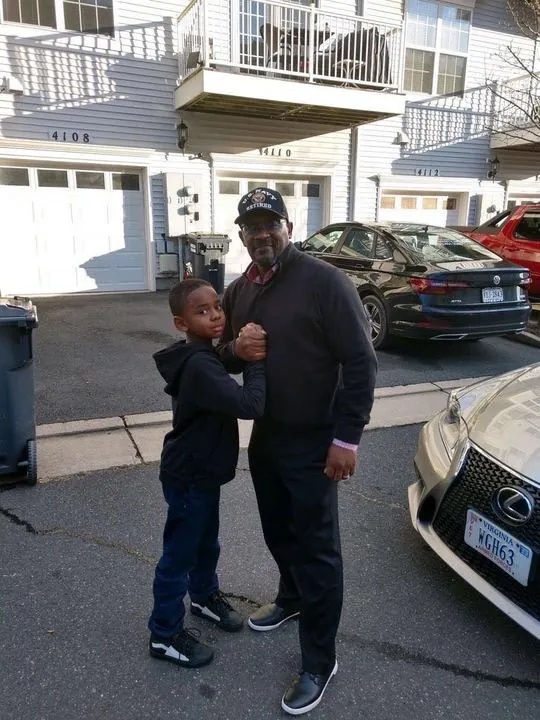
Mentoring does not have to look dramatic to be meaningful. Often, the most useful moments are ordinary: asking how a test went, remembering a goal from last week, taking a walk, talking through a disagreement or helping a young person consider a new opportunity. The mentor’s job is to make room for reflection and encouragement, not to control the conversation.
A mentor may help a young person name what is going well, not just what is hard. He can ask questions such as: What are you proud of this week? What felt difficult? What options do you have? Who else can help? What would a good next step look like? Questions like these help a young person practice thinking through choices instead of waiting for someone else to decide everything.
He can also offer perspective from his own life, but with care. Sharing a mistake or lesson can be useful when it helps a young person feel less alone or see another way forward. It becomes less useful when an adult turns every meeting into his own story. A mentor earns the right to advise by listening first and staying curious about the young person in front of him.
At AFGM, mentoring is built around one-to-one guidance, character and consistency for boys and young men ages 8 through 21. The practical commitment is at least one hour of contact each week during a nine-month program. That rhythm matters because trust is usually built through repeated small moments, not a single impressive meeting. The AFGM mentoring program explains how the relationship is designed to support growth in real life.
What a youth mentor does not do
Clear boundaries are not a cold or distant part of mentoring. They are one of the reasons a relationship can be safe and dependable. A mentor is not a therapist, emergency service, disciplinarian, lawyer or financial provider. He should not promise secrecy when a young person shares something that raises a safety concern. He should not ask the young person to manage adult feelings or carry problems that belong with staff, caregivers or qualified professionals.
When something serious comes up, a responsible mentor follows the program’s process. That might mean calling the staff member who supports the match, involving a caregiver or helping connect the family with appropriate professional support. The mentor’s steady presence still matters, but trying to handle a crisis alone is not proof of commitment. Knowing when to bring in the right help is part of the role.
Quality programs make these expectations clear. MENTOR’s guidance on mentor training covers topics such as program contact, relationship-monitoring requirements and appropriate physical contact. Those practices help turn goodwill into a relationship that is thoughtful, safe and sustainable. A prospective mentor should feel comfortable asking a program how it screens volunteers, prepares them, supports matches and handles concerns.
The habits that make a mentor useful
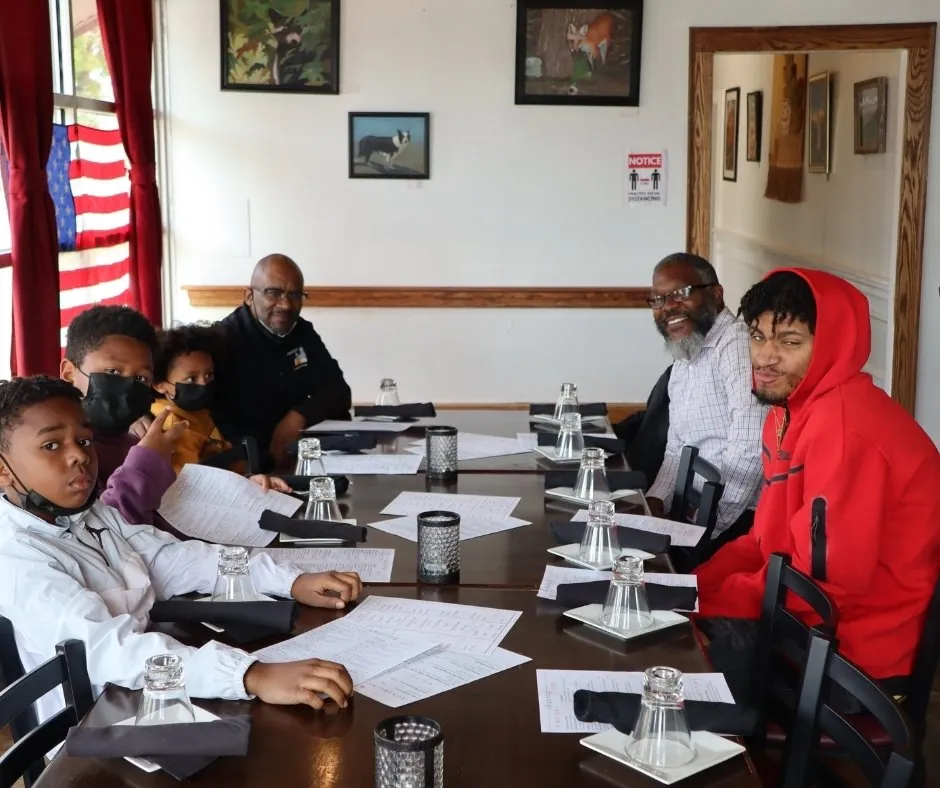
The strongest mentors are not necessarily the loudest or most naturally outgoing people in the room. They bring a few habits that make a young person feel respected. Reliability comes first. Keeping a promise, arriving when expected and communicating early when plans change teaches a young person that the relationship has real weight.
Listening is just as important. Adults are often quick to offer a solution, especially when a young person is frustrated or making a choice they would not make themselves. But advice lands better after the young person has had space to explain what happened and what matters to him. A calm question can be more helpful than an immediate lecture.
Good mentors also notice strengths with specificity. Rather than saying only “good job,” they might say, “You stayed patient when that was frustrating,” or, “You did the work to prepare for that.” Specific encouragement helps a young person connect effort and judgment with progress. It is not empty praise. It is evidence that another adult is paying attention.
Finally, a mentor stays open to learning. Young people have their own interests, pressures, families and experiences. A mentor does not need to pretend that he understands every part of their world. He can ask thoughtful questions, admit when he needs guidance and keep learning from the program. That humility keeps the relationship respectful instead of one-sided.
What a mentoring meeting can look like
A meeting can be as simple as a conversation after school, a shared meal, a community activity or a check-in around a goal. The best activity is not always the most expensive or elaborate one. It is the one that leaves room for connection and fits the program’s guidelines.
Some meetings may center on practical questions: preparing for a job interview, organizing a school assignment, exploring a career interest or setting a goal for the month. Others may be lighter. A young person might want to talk about sports, music, a family tradition or something that made him laugh. Those conversations are not wasted time. They give the mentor a clearer picture of what matters to the young person and make harder conversations feel more possible later.
It helps to begin a meeting with a simple check-in instead of an agenda built entirely by the adult. A mentor might ask what has been on the young person’s mind, what he wants to talk about or whether there is anything he needs to think through. Then he can bring one or two ideas, not a packed schedule. Leaving room for the young person to choose makes the relationship feel more like a partnership and less like another obligation. It also gives the mentor a better chance to follow the young person’s interests, celebrate real progress and notice when extra support may be needed.
Consistency matters more than a perfect plan. A mentor who keeps a regular rhythm, follows through and makes space for the young person’s voice can build a relationship that lasts beyond any one activity. For a closer look at the everyday role, read AFGM’s guide to what a mentor does.

How families and mentors can recognize a strong program
A good youth mentoring program should be able to explain how it protects and supports the relationship from the beginning. Families and prospective mentors should expect a clear process for applications, screening, orientation, matching, communication and ongoing support. The program should be ready to answer practical questions before a match begins, not only after a problem appears.
MENTOR’s guidance on monitoring and support highlights ongoing communication with mentors, young people and families as a core part of relationship support. That is a useful standard for anyone comparing options. Ask who checks in, how often the program communicates, what happens when schedules change and where a mentor turns when he needs advice. A good answer shows that the program is invested in the relationship, not just the initial match.
AFGM prepares mentors with initial and quarterly training, then builds the relationship around a real weekly commitment. That structure gives qualified men a clear way to serve while giving families a process that values safety, consistency and respect. Men considering the role can review the expectations on the Become a MENtor page before beginning an application.
Why the role matters
A youth mentor cannot solve every problem in a young person’s life. No responsible program should promise that. What he can offer is meaningful: a steady adult relationship where a young person can be heard, encouraged and challenged with care. Over time, that can make it easier for a young man to see his own strengths, ask better questions and recognize that his choices matter.
The role is not about becoming a hero. It is about becoming dependable. When a mentor brings consistency, healthy boundaries and genuine interest, he helps create the kind of support that young people deserve. For men who are ready to bring that commitment in Northern Virginia and the wider DMV, AFGM offers a practical place to begin.
Frequently asked questions
What is a youth mentor?
A youth mentor is a steady, supportive adult who builds a trusting relationship with a young person over time. He listens, encourages, shares perspective and helps the young person think through goals and choices without trying to take over the role of a parent, teacher or counselor.
What does a youth mentor do at a meeting?
A meeting can be simple: talking about the week, sharing an activity, checking in on a goal or exploring an interest. The value comes from showing up consistently, paying attention and creating space for honest conversation.
Does a youth mentor need to be a teacher or therapist?
No. A mentor does not need to be a teacher, therapist or expert in every problem a young person may face. He does need to be reliable, respectful, willing to learn and ready to follow the program’s safety practices.
How is a youth mentor different from a parent?
A parent or caregiver carries the primary responsibility for a young person’s care and decisions. A mentor adds another dependable adult relationship by offering encouragement, perspective and support while respecting the family’s role.
What should a mentor do if a young person needs urgent help?
A mentor should follow the program’s safety procedures and involve the appropriate staff, caregiver or qualified professional. He should not promise secrecy or try to manage a health, legal or safety concern alone.
Keep Reading
Related posts
Mentor Guides
How Do I Become a Mentor? A Practical Guide
A clear guide to choosing a mentoring program, preparing for the process, and building a dependable relationship with a young person.
Read the guide →
Mentor Guides
What Does a Mentor Do? A Practical Guide
A practical look at how mentors build trust, listen well, support growth and stay within healthy boundaries.
Read the guide →