For Families In Northern Virginia

Male Mentoring Programs Near You in Northern Virginia

Find a local mentor relationship built on time, character and the dependable follow-through that helps a young man feel supported.

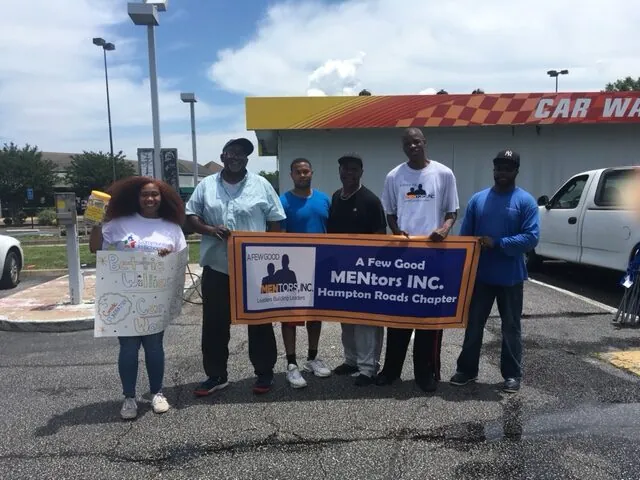
AFGM community members gathered together at an event

A Relationship With Purpose

A nearby mentor can become part of a stronger circle around your son.

When families look for male mentoring programs near them, they are usually looking for more than an activity to fill an afternoon. They want a positive adult who will get to know their son, make time for him and offer guidance that feels respectful and real. A Few Good MENtors connects boys and young men ages 8 through 21 with experienced men who understand that trust is earned over time.

AFGM serves Northern Virginia and the wider Washington metropolitan area. The program gives families a local place to start when a young man could benefit from another steady adult in his corner. That might be during a difficult season at school, a transition at home, a time when confidence is low or simply a point when more positive male guidance would be valuable.

A mentor does not replace a parent, caregiver, teacher, counselor or coach. He adds to the people already invested in a young man. By listening carefully, keeping his word and bringing perspective without judgment, a mentor can make it easier for a young man to talk through choices, recognize his strengths and see a path forward.

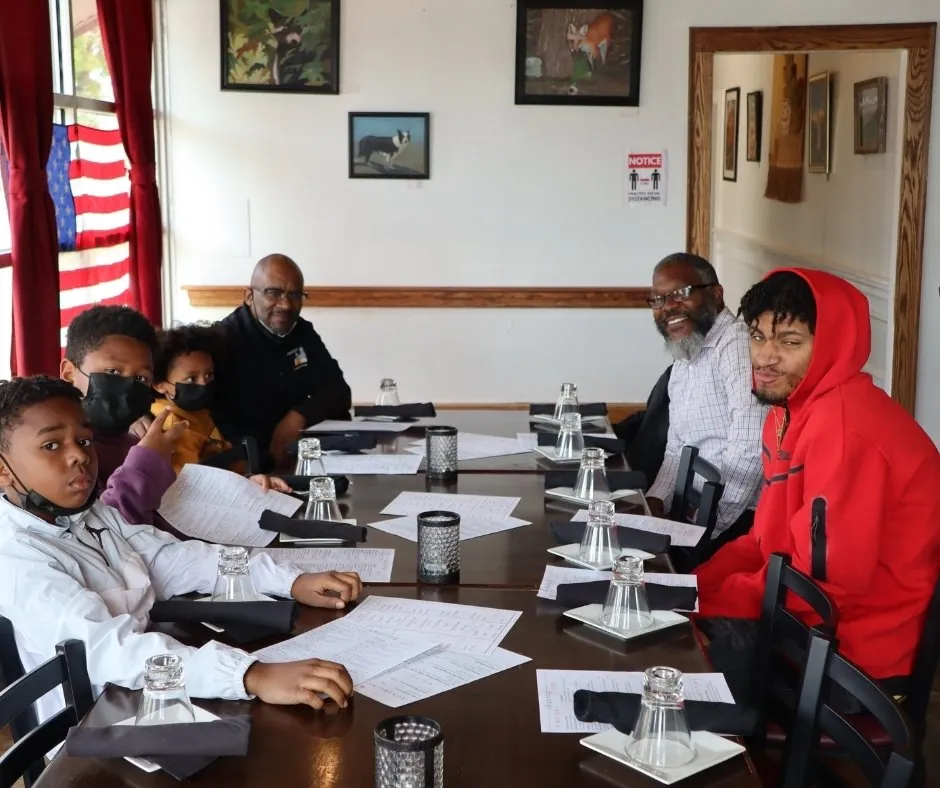
AFGM members spending time together at a community event

Guidance That Shows Up

The right mentor relationship feels dependable, not distant.

Distance matters when a family is looking for help. A local mentoring program can make it easier for a relationship to become part of a young man’s real life. AFGM brings people together through one-to-one mentoring and monthly meetups, giving mentors and young men opportunities to build familiarity in a community that knows why the relationship matters.

The center of the program is simple: mentors meet or contact their mentees for at least one hour each week. That regular rhythm gives a young man something reliable. He does not have to wonder whether a caring adult will disappear after one good conversation. He can see that the relationship has room to grow through ordinary weeks, hard moments and small wins.

A mentor may talk with a young man about goals, school, health, work, friendships, habits or the future. He may also make time to ask how a difficult week went and listen to the answer. The value is not in having a scripted solution. It is in offering an adult relationship where a young man is known, encouraged and challenged with care.

What Families Can Expect

A program built around consistency and respect.

01

One-to-one attention

AFGM pairs young men with character-driven mentors who are prepared to learn who they are, not just give them advice. The relationship makes space for honest conversation, encouragement and accountability that fits a young man’s life.

02

One hour each week

Mentors meet or contact their assigned mentees for at least one hour every week. That consistent time helps trust grow because a young man sees that the adult in front of him follows through.

03

Time to build trust

The program is built around a nine-month commitment with monthly meetups. A meaningful relationship needs more than introductions, and the commitment gives both people time to learn what support looks like in practice.

04

Prepared mentors

Mentors receive initial and quarterly training. Families can feel confident that healthy boundaries, safety, respect and communication with the program are part of the relationship from the beginning.

The AFGM Framework

Character becomes practical in everyday life.

AFGM uses S.H.I.E.L.D.S., a practical framework for the values and life skills that shape a stronger future: Spirituality, Health, Integrity, Education, Leadership, Development and Stewardship. It gives mentors and young men a shared language for the qualities that matter as a young person grows.

Those values can show up in ordinary conversations. A late assignment can lead to a discussion about follow-through. A job opportunity can raise questions about preparation. A conflict can become a chance to think about integrity and respect. The point is not to turn every moment into a lecture. It is to help a young man notice what his choices can teach him.

This approach gives families a clear sense of what the relationship is meant to support. The conversations can be practical, but they are connected to a larger purpose: helping a young man build the self-respect, habits and confidence to take responsibility for his own future. Progress may look like a better question, a kept commitment or the willingness to try again after a setback.

AFGM community members participating in a youth activity

A Healthy Role

A mentor adds support without taking anyone’s place.

Families remain essential in a young man’s life. A mentor is there to offer another caring perspective, not to become the person in charge or tell a family what to do. Healthy mentoring works alongside parents, caregivers, school staff and other trusted adults.

That clarity protects the relationship. A mentor can help a young man prepare for a conversation, think through a goal or reflect on a choice, while the family stays connected to the people and decisions that shape daily life. AFGM’s training helps mentors understand the importance of respect, communication and boundaries.

When a young man sees adults treating one another with care and keeping their commitments, he receives more than advice. He sees an example of the kind of dependable relationships that can carry him through school, work and the years ahead.

Is This The Right Next Step?

Families come to AFGM when more steady guidance would help.

A male mentor relationship may be a good fit when a boy or young man would benefit from a trusted listener, positive adult example or regular encouragement. Some families are looking for support around confidence, school, choices or a transition. Others want their son to have another man who will make time for him and take his goals seriously.

There is no need to wait for a crisis or have the perfect explanation before reaching out. The best first conversation starts with what you are noticing, what your son enjoys and what kind of support could be useful. AFGM can help your family understand the commitment and whether mentoring is likely to be a good fit.

Strong relationships begin with clear expectations. Families should be ready to support a connection built on respect and follow-through, and young men should know they will have room to be themselves, ask questions and take ownership of the direction they want to pursue.

A local program also gives a family the chance to stay connected to a community that recognizes the value of positive male guidance. Through monthly meetups and program support, mentoring is not treated as a one-time introduction. It is a relationship with enough structure to remain present while a young man learns, changes and begins to picture what he wants next.


Getting Started

Begin with a conversation about your young man.

  1. 1

    Tell AFGM what support could help.

    Begin the mentee application with information about your son, his interests and the kind of guidance you hope he can find.

  2. 2

    Talk through the opportunity.

    Learn about the weekly rhythm, the nine-month commitment and whether a mentor relationship is the right fit for your family.

  3. 3

    Make room for a meaningful connection.

    When a relationship begins, the work is steady and simple: show up, stay in touch and let trust build over time.

Questions

Frequently asked questions

Who can be considered for AFGM mentoring?

AFGM considers boys and young men ages 8 through 21 for a mentoring relationship. Families can begin by sharing what support would be most useful for the young man in their life.

Where does AFGM serve?

AFGM serves Northern Virginia and the wider Washington metropolitan area. The mentee application is the best first step for a family that wants to discuss local mentoring support.

How much time does a mentor give?

Mentors meet or contact their assigned mentees for at least one hour each week. The program is built around a nine-month commitment and includes monthly meetups.

How are mentors prepared?

AFGM provides initial and quarterly mentor training, with healthy boundaries, safety, respect and communication as important parts of the program.

A Few Good MENtors

Help your son find a dependable man in his corner.

Begin the conversation with AFGM and learn whether a local mentor relationship could be the right next step for your family.

Find a mentor