
One-to-one time
AFGM pairs young men with mentors who are ready to learn what matters in their lives. The relationship gives a high school student room to be heard by an adult who is invested in him as a person, not only in his performance.
For Families In Northern Virginia
Give a young man another dependable adult in his corner as school, responsibility and the future begin to feel more real.

A Steady Voice
High school can bring more independence, more pressure and more choices all at once. A young man may be figuring out where he fits, what he cares about, how to handle a setback or what he wants after graduation. Families are still at the center of those years, but another dependable adult can give him a different place to talk things through.
A Few Good MENtors connects boys and young men ages 8 through 21 with experienced, character-driven men who offer consistent time, guidance and accountability. For a high school student, the value is not a lecture about what to do next. It is a relationship with a man who listens closely, remembers what matters and comes back to the conversation week after week.
That kind of presence can help a young man slow down and think clearly when school, friendships, work, family responsibilities or future plans feel complicated. A mentor does not have to solve each problem. He can ask a useful question, share perspective and help a young man recognize that he has choices, strengths and people who want him to succeed.
Guidance For The Years Ahead
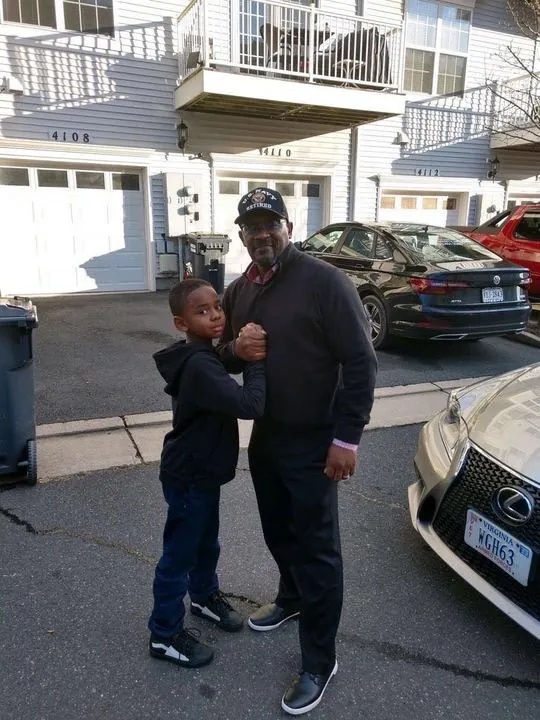
As young men move through high school, the conversation often shifts. Classes become more demanding. Activities, friendships and first jobs compete for time. Questions about college, training, work and independence can feel close even when the answers are not. A mentor can offer a calm, steady presence while a young man works out what matters to him.
Time together may include talking about a goal, preparing for an important conversation, noticing a habit that is getting in the way or exploring an interest that could lead somewhere. It may also be as simple as checking in after a hard week or recognizing a small win that deserves to be taken seriously. The relationship is personal, so the guidance can fit the young man instead of forcing him into someone else's plan.
Good mentoring makes space for ambition without putting a young man under a spotlight. He can talk honestly about what feels difficult, what he wants to improve and what kind of adult he hopes to become. A mentor brings lived experience and encouragement, but the young man remains the person learning to make his own decisions.
What Families Can Expect
AFGM pairs young men with mentors who are ready to learn what matters in their lives. The relationship gives a high school student room to be heard by an adult who is invested in him as a person, not only in his performance.
Mentors meet or contact their assigned mentees for at least one hour every week. That dependable rhythm matters during a busy season because it shows a young man that the relationship does not disappear when life gets full.
The program is built around a nine-month commitment with monthly meetups. A relationship needs time to move past polite introductions and become a place where a young man can bring an honest question or a real concern.
Mentors receive initial and quarterly training. Families can feel confident that the adults entering a young man's life are taught to value healthy boundaries, safety, respect and communication with the program.
The AFGM Framework
AFGM uses S.H.I.E.L.D.S., a practical framework for the values and life skills that shape a stronger future: Spirituality, Health, Integrity, Education, Leadership, Development and Stewardship. It gives mentors and young men a shared language for the qualities that matter when school, work, relationships and responsibility begin to overlap.
For a high school student, those values can show up in ordinary moments. A missed assignment can become a conversation about follow-through. A new opportunity can raise questions about preparation. A difficult friendship can become a chance to talk about respect and judgment. A mentor does not need to turn every moment into a lesson. He needs to be present enough to help a young man see what a moment might teach him.
A Healthy Role
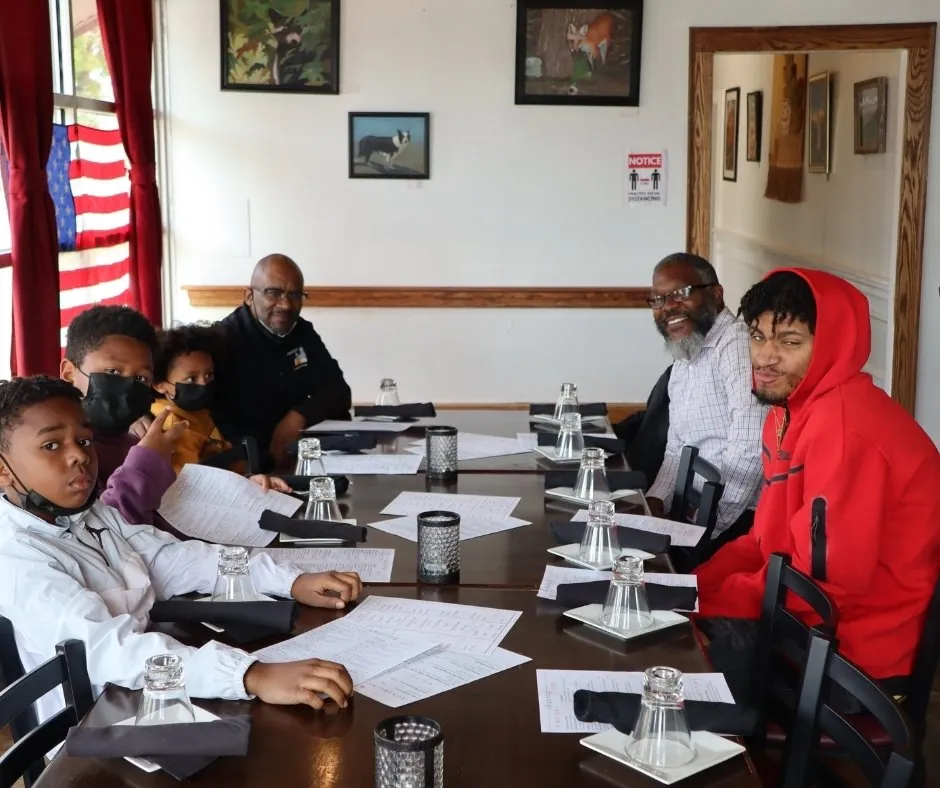
Families remain essential in a high school student's life. A mentor is not there to replace a parent, caregiver, teacher, counselor, coach or other trusted adult. He is there to add a respectful perspective, offer encouragement and give a young man another relationship where he can be known and challenged with care.
That distinction is important when the years ahead are filled with choices. A mentor can help a young man prepare for a conversation with a teacher, think through a goal or reflect on what a first job is teaching him. He should not make decisions for the family or present himself as the one person with every answer. Healthy boundaries protect the relationship and keep the young man connected to the full circle of adults who care about him.
AFGM's mentor training and program support help keep those roles clear. Families can share concerns, ask questions and stay connected as the relationship grows. When a young man sees adults treating one another with respect and keeping their commitments, that example becomes part of the support he receives.
When A Mentor Could Help
A mentor relationship may be a good fit when a high school student would benefit from more positive male guidance, a trusted listener or consistent encouragement around the choices in front of him. Some families are looking for support during a transition. Others want their son to have another adult who can help him recognize his strengths and stay connected to his goals.
There is no need to wait for a crisis or have the right words before reaching out. AFGM can begin with what you are noticing, what your young man enjoys and what kind of support would be useful. The first conversation is an opportunity to understand the program and decide whether a mentoring relationship makes sense for your family.
The strongest relationships begin with clear expectations. Families should be ready to support a connection built on respect and follow-through. Young men should know the relationship is a place to be themselves, ask questions and take ownership of the direction they want to pursue.
Getting Started
Begin the mentee application with the information that will help AFGM understand your family and the young man in your life.
Learn more about the weekly rhythm, the nine-month commitment and whether mentoring is the right fit at this point in his life.
When a relationship begins, the work is steady and simple: show up, stay in touch and give trust time to grow.
Questions
AFGM considers boys and young men ages 8 through 21 for a mentor relationship. Families can begin by sharing what support would be most useful for their young man.
Mentors meet or contact their assigned mentees for at least one hour each week. AFGM also holds monthly meetups, and the program is built around a nine-month commitment.
A mentor can offer encouragement, perspective and practical conversation around school, goals, habits, work and the choices ahead. He does not replace a parent, teacher, counselor or school support professional.
Use the mentee application to introduce your family to AFGM. The team can explain the next step and help you understand whether a mentor relationship is a fit.
A Few Good MENtors
Begin the conversation with AFGM and learn whether a mentor relationship could help your high school student move forward with confidence.