
For Families
How to Find a Male Mentor for Your Son
A practical guide for families seeking a safe, steady male mentor who can support a son with respect and consistency.

Looking for a male mentor for your son can come from a hopeful place. You may want him to have another steady adult to talk with, someone who can listen without taking over, encourage his interests and show what dependable support looks like. It is also a decision worth making carefully. A strong mentoring relationship is not a shortcut or a substitute parent. It is a respectful addition to the people already caring for him.
The goal is not to find the most impressive man in the room. It is to find a program and a relationship built around safety, fit and consistency. This guide can help you start that search with your son’s needs, voice and comfort at the center.
1. Start with what your son wants from a mentor
Before you begin searching, make space for a real conversation. Ask what is going well, what feels hard and whether there is something he would like another adult’s perspective on. He may be thinking about school, work, friendships, sports, confidence, future plans or simply wanting someone reliable to talk with. His answer does not need to be polished. It gives you a starting point.
Try not to present mentoring as a punishment or a fix for a problem. A young person is more likely to engage when he understands that the relationship is for him, not something being done to him. The National Mentoring Resource Center’s guide for parents and caregivers similarly emphasizes considering whether mentoring is a fit, what type of support is useful and what to expect from a formal program.
It can help to name what a mentor is not. A mentor does not replace a father, caregiver, teacher, therapist or disciplinarian. He becomes one more caring adult in a young person’s corner. That distinction protects family relationships and keeps expectations realistic from the start.

2. Look for a formal program, not an informal promise
A trusted coach, teacher, relative or community leader can be an important positive influence. But when you are seeking a new adult specifically to mentor your son, a formal program offers safeguards that an informal introduction may not. The program should be able to explain how it recruits and screens mentors, prepares families, makes matches and stays involved after the first meeting.
MENTOR’s Mentoring Connector is a useful national starting point for families who want to search for local programs. You can also ask a school counselor, after-school provider, faith-community leader or another parent for a referral. A referral is only a starting point, though. Your family should still understand the program’s process before moving forward.
Formal does not have to mean cold or complicated. It means there are adults responsible for the relationship beyond the mentor and mentee themselves. A quality program has a clear point of contact, regular check-ins and a way to address concerns early. That structure gives a relationship room to grow without leaving your son, the mentor or your family to figure everything out alone.
3. Ask direct questions about safety and support
It is appropriate to ask questions before your son is introduced to anyone. In fact, a good program should expect them. Ask how volunteers are screened, whether background checks and references are part of the process, what training mentors receive and who supervises the match. Ask how the program handles communication, transportation, photos, meetings, emergencies and a relationship that needs extra support.
Ask about matching, too. A program cannot promise a perfect match on paper, but it should want to understand your son’s interests, schedule, preferences and needs. The federal youth mentoring guidance notes that relationship length, frequency, quality and program structure all matter. Those are practical things a family can ask about, not abstract standards.
You can also ask how caregivers stay connected. A mentor should respect the family’s role, and you should know whom to contact if plans change or something does not feel right. Clear communication is not a sign of distrust. It is how everyone protects a healthy relationship.
4. Help your son take part in the choice
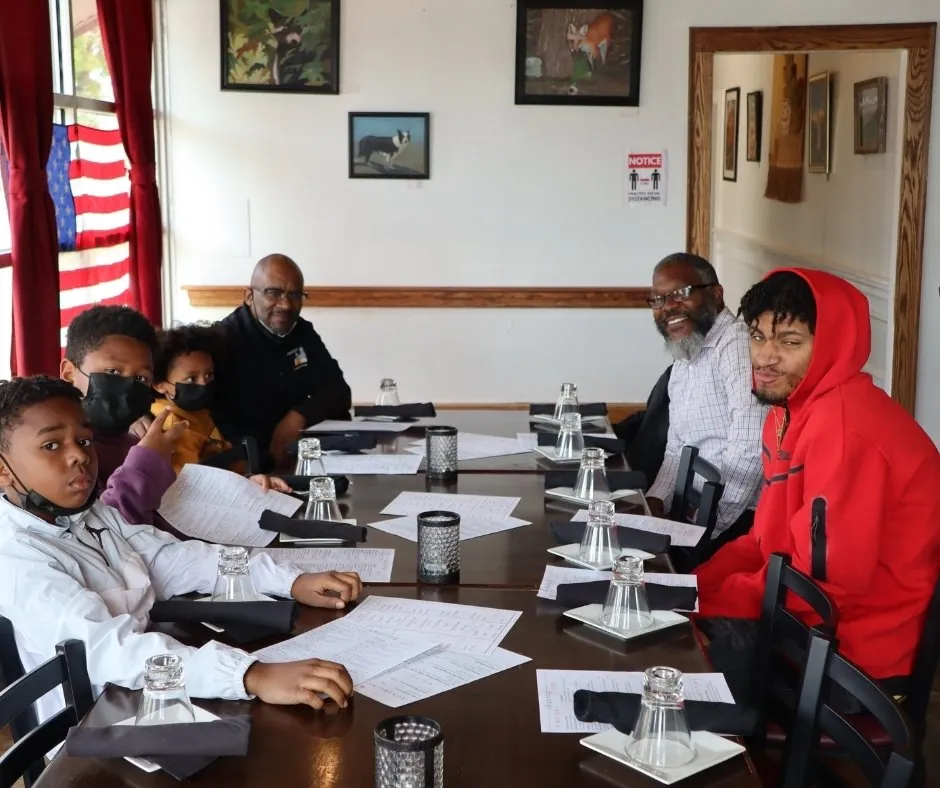
Even when a parent begins the search, your son should have a real voice in what happens next. Share what you learn about the program. Ask what he notices about the mentor and whether he feels comfortable after an introduction. Let him know it is okay if the first conversation is quiet or a little awkward. Trust usually takes more than one meeting.
What matters most at the beginning is not instant chemistry. Look for respectful attention, dependable follow-through and a pace that feels right for your son. A mentor who asks thoughtful questions, remembers what your son says and keeps commitments is often more valuable than one who tries to impress him with advice or expensive outings.
Families can also prepare by agreeing on simple expectations. Decide how meetings will be confirmed, how you will communicate with staff and what your son can do if he feels uncomfortable or needs a change. That preparation tells him that he has support and that the relationship belongs within a wider circle of care.
5. Give the relationship time to become dependable
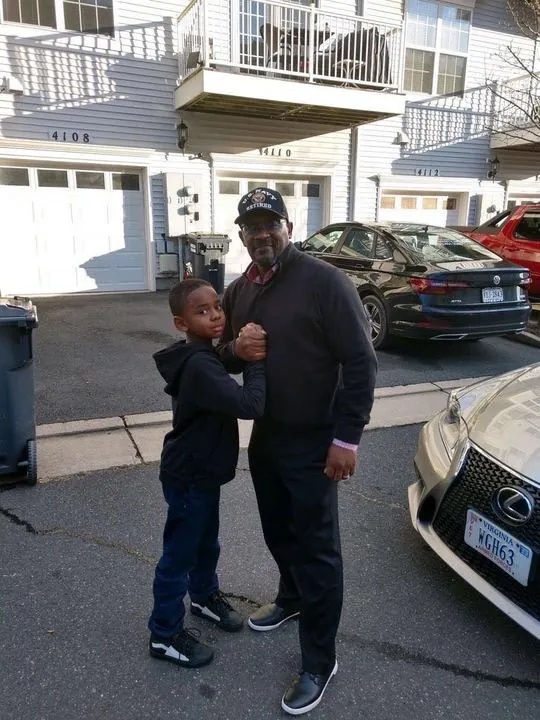
A mentoring relationship may begin with short conversations, a shared activity or a few questions about school and interests. That is normal. A young person may be deciding whether the adult will really come back, especially if adults have made promises before. The best early sign is consistency, not intensity.
Support the relationship without managing every exchange. Ask your son how he feels about the time together. Notice what he enjoys. Keep the program informed if a scheduling or communication issue needs attention. Then allow room for the mentor and mentee to develop their own rhythm within the program’s boundaries.
It is also fine to reassess. If your son does not feel comfortable, if the match is not developing or if family circumstances change, talk with program staff. A responsible program will take that seriously and help determine the right next step. The relationship should be safe, respectful and useful, not something anyone feels pressured to endure.
How AFGM can support your family
A Few Good MENtors serves boys and young men ages 8 to 21 across Northern Virginia and the wider DMV community. The program connects young men with experienced, character-driven men who offer consistent time, guidance and accountability. Mentors meet or contact their assigned mentees for at least one hour each week during a nine-month program, with initial and quarterly training to support the relationship.
Families can read more about AFGM’s mentoring program for boys, explore the family information page or begin a conversation through the mentee application. AFGM’s approach is built to add a dependable adult to the circle around a young man, while respecting the people already guiding and caring for him.
Questions
Frequently asked questions
How do I find a male mentor for my son?
Start by talking with your son about what kind of support would feel useful, then look for a formal program that explains its screening, training, matching and ongoing support. A school counselor, faith community, after-school program or MENTOR’s national directory can also help families identify local options.
What should I ask a youth mentoring program?
Ask how adults are screened and trained, how matches are made, how often staff check in, what communication and transportation rules apply, and what support is available if a concern arises. A good program should welcome these questions.
Does my son need to have a problem to benefit from a mentor?
No. A mentor can support a young person who wants another trusted adult to talk with about school, goals, relationships, work or the transition toward adulthood. The relationship should add to, not replace, family support.
How long does it take to get matched with a mentor?
Every program is different. Matching can take time because a responsible program considers availability, fit, safety and the needs of the young person. It is reasonable to ask whether there is a waitlist and how the program will keep your family informed.
Keep Reading
Related posts

Mentor Guides
How to Find a Mentor for a Teenager
A practical guide for families choosing a mentoring program, asking the right questions and helping a teenager begin well.
Read the guide →
Mentor Guides
Benefits of Youth Mentoring: What Families Should Know
A practical, evidence-informed look at how a steady mentor can support a young person, and what families should expect from a strong program.
Read the guide →
Mentor Guides
What Is a Youth Mentor? A Clear Guide to the Role
Learn what youth mentors do, what they do not do and how a steady relationship can support a young person.
Read the guide →