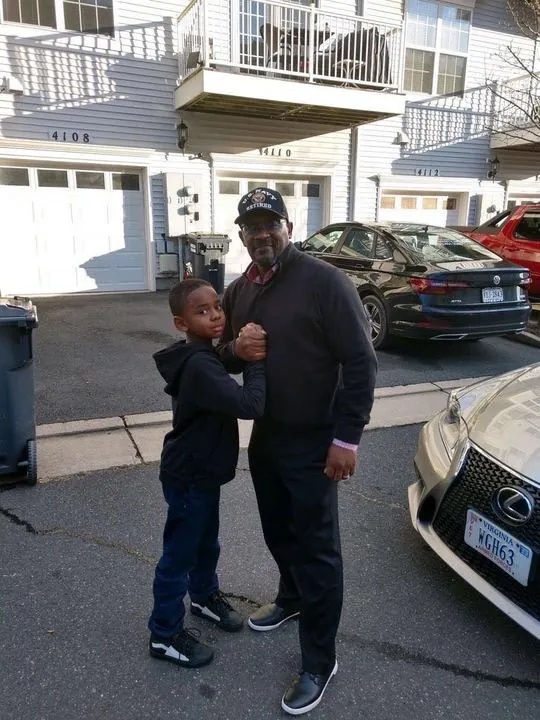
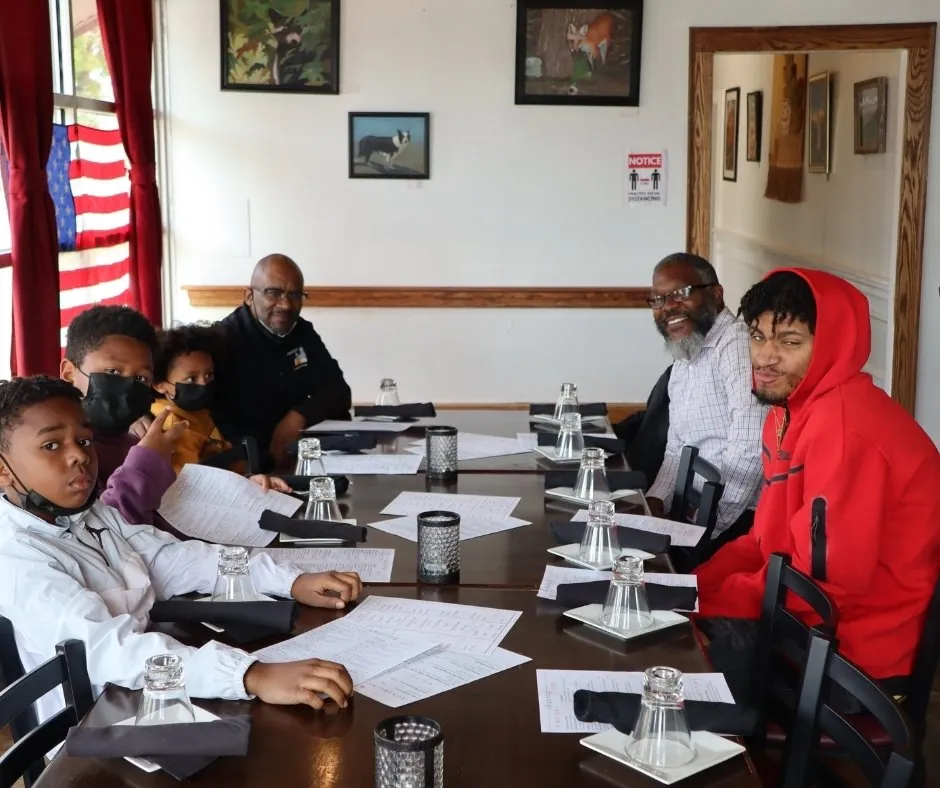
A mentor can be an encouraging listener, a positive example and a steady source of perspective. He can help a young man think through a situation, keep a commitment or see a strength he may not yet recognize in himself. What he should not do is try to become a parent, therapist, disciplinarian or the only adult a young man relies on.
That distinction matters to families. The strongest mentoring relationships work alongside parents, caregivers, teachers, counselors and other trusted adults. Everyone has a role in helping a young man grow. A mentor brings a different kind of presence: time that is protected, attention that is respectful and guidance that does not come with the pressure of being the person in charge at home.
AFGM's commitment to mentor training and safety helps keep those roles clear. Families can ask questions, share concerns and stay connected to the program as the relationship develops. When a young man knows the adults around him are working together with respect, he has more room to build trust and take ownership of his own progress.