Mentor Guides
Best Youth Mentoring Programs: What Families Should Look For
A practical guide for families comparing youth mentoring programs, from safety and training to fit, communication and ongoing support.
Families looking for a youth mentoring program are often trying to solve a practical question and a deeply personal one at the same time. You may want another dependable adult in your child’s corner, but you also want to know who that person will be, how the relationship will be supported and whether the program understands your family. A glossy promise is not enough. The best youth mentoring program for one young person is not automatically the best one for another.
Start by looking for a program that welcomes careful questions. A healthy mentoring relationship takes time to build, and a responsible organization should be ready to explain how it protects young people, prepares adults and stays involved after the first introduction. This guide gives families a practical way to compare options without pretending that any one program is right for every child.
Start with what your young person needs now
Before comparing programs, talk with your child about what support would feel useful. Some young people want a steady adult to talk with about school, friendships or goals. Others are looking for help navigating a transition, exploring careers, building confidence or finding a positive community. A young person may not describe those needs in polished language, and that is okay. A few calm questions can reveal a lot: What has felt hard lately? What would make a good week feel easier? What would you want an adult outside the family to understand about you?
That conversation does not make a young person responsible for finding his own solution. It does make him part of the decision. He is more likely to engage when he understands why a mentor might be helpful and has a say in the kind of relationship he hopes to build. The federal Office of Juvenile Justice and Delinquency Prevention describes mentoring as a consistent, supportive relationship between a youth and an adult or older peer. Consistency matters, but so does the relationship feeling respectful and relevant to the young person’s life.
Be honest about logistics as well. A program may be a strong match on paper but difficult to reach after school, impossible to fit around work schedules or too far from home for reliable participation. Ask about meeting times, transportation, virtual options, family events and the expected length of the commitment. A simple plan your family can keep is more valuable than an idealized option that creates stress every week.
Look for safety that is clear, not vague
Safety should be easy to find in a program’s answers. Ask how adults are screened, what training they complete, how the organization handles background checks, how meetings are arranged and who families contact if something feels wrong. You do not need to know every internal procedure. You do deserve to hear that the program has a real process and staff members who take it seriously.
Look for plain explanations instead of reassuring phrases with no detail. “We care about safety” is a good value, but it is not a complete answer. A useful response explains who reviews applications, how mentors are prepared before meeting a young person, what boundaries guide communication and how concerns are reported. MENTOR’s current Elements of Effective Practice for Mentoring identifies mentor screening, youth and caregiver preparation, mentor training and match support as distinct parts of quality practice. That framework is valuable because safety is not one box checked at the beginning. It is a pattern that continues through the relationship.
Families should also understand what happens outside planned meetings. Ask whether mentors may communicate directly with a young person, how caregivers are kept informed, what transportation rules apply and whether meetings happen in approved settings. The answers may vary by program model, but they should not be improvised after a match begins. Clear boundaries protect the young person, the mentor and the trust between everyone involved.
Pay attention to the tone of the conversation. A thoughtful program will not make you feel difficult for asking about safeguards. It will treat your questions as part of responsible enrollment. If an organization cannot explain its basic safety practices or makes you feel pressured to move faster than you are comfortable with, keep looking.
Ask how mentors are chosen and prepared
A warm, successful adult is not automatically ready to mentor. Good intentions matter, but young people benefit most when adults understand the role, their boundaries and the commitment they are making. Ask what a program looks for in mentors, how it assesses readiness and what preparation happens before anyone is matched.
Useful mentor training usually covers listening, communication, boundaries, developmental differences, cultural respect, program policies and what to do when a young person shares a concern. It should also help adults understand that they are not there to replace a parent, solve every problem or act as a therapist. A mentor can offer perspective and encouragement while knowing when staff, caregivers or qualified professionals need to be involved.
Ask whether training is a single orientation or continues after the relationship begins. New situations come up after the first meeting: a young person may withdraw, a family schedule may change or a mentor may need help responding to a difficult conversation. Ongoing coaching gives the adult somewhere to turn instead of leaving him to guess. A program that supports mentors over time is more likely to offer a steadier experience to young people.
It is also reasonable to ask how mentors are matched. Shared interests can be helpful, but a strong match process considers availability, location, personality, communication style, age, needs and expectations. No organization can promise instant chemistry. What it can do is make a thoughtful introduction, set the first meetings up well and explain what happens if the connection needs support.
Choose a program that treats caregivers as partners
A mentor adds to a young person’s circle of support. He does not replace the parent, caregiver, teacher or counselor who already knows the child’s life. The best youth mentoring programs make that clear from the beginning. They explain how caregivers stay connected, what information is shared, how meetings are coordinated and who listens when a family has a concern.
Partnership does not mean that every conversation between a mentor and young person becomes a family report. Young people need respectful space to talk. It does mean the program has an agreed way to communicate about scheduling, safety, goals and any change that affects the relationship. Ask how often staff check in with caregivers and what to do when your family needs help.
Notice whether the enrollment process gives your family time to understand expectations. You should know the meeting rhythm, the length of the program, the role of staff and the path for questions before you say yes. The Youth.gov guidance on successful mentoring relationships and programs points to factors such as relationship quality, frequency of interaction, program structure and the young person’s needs. Families do not need a research degree to use that insight. It simply means asking whether the program has a clear, humane way to support the relationship rather than leaving everyone alone once the introduction is over.
If your child has a counselor, school contact or other support person, ask whether the program is open to coordinating appropriately. The right level of communication depends on the situation and privacy rules, but a program should understand that a young person’s life is bigger than one match. Good coordination helps mentoring fit into the wider support system instead of competing with it.
Focus on support after the match begins
The first introduction is not the finish line. A young person may need time before he is ready to talk freely. A mentor may need advice about an activity, a missed meeting or a family concern. Staff support is what helps those normal moments become opportunities to strengthen the relationship instead of reasons for it to fade away.
Ask how the program checks in after a match starts. Who contacts the young person, mentor and caregiver? How often? What happens if meetings are repeatedly canceled, communication becomes confusing or either person feels uneasy? The right program will have a named person who is reachable and a process that does not wait for a crisis.
A good support system also makes room for ordinary progress. Staff should be interested in whether the relationship is becoming more comfortable, whether the meeting schedule works and whether the young person feels heard. This is different from demanding dramatic outcomes every month. Trust is often built through small, repeatable actions: a mentor remembers an important event, a young person chooses the next activity or a caregiver sees that plans are being kept.
Ask how a program handles endings too. Matches can end for many reasons, including moves, changing schedules or a young person aging out of the original program. A thoughtful closing process gives people a chance to acknowledge the relationship, share what they learned and connect to appropriate next support. A relationship should not simply disappear because no one knew how to end it well.
Compare the day-to-day experience, not just the promise
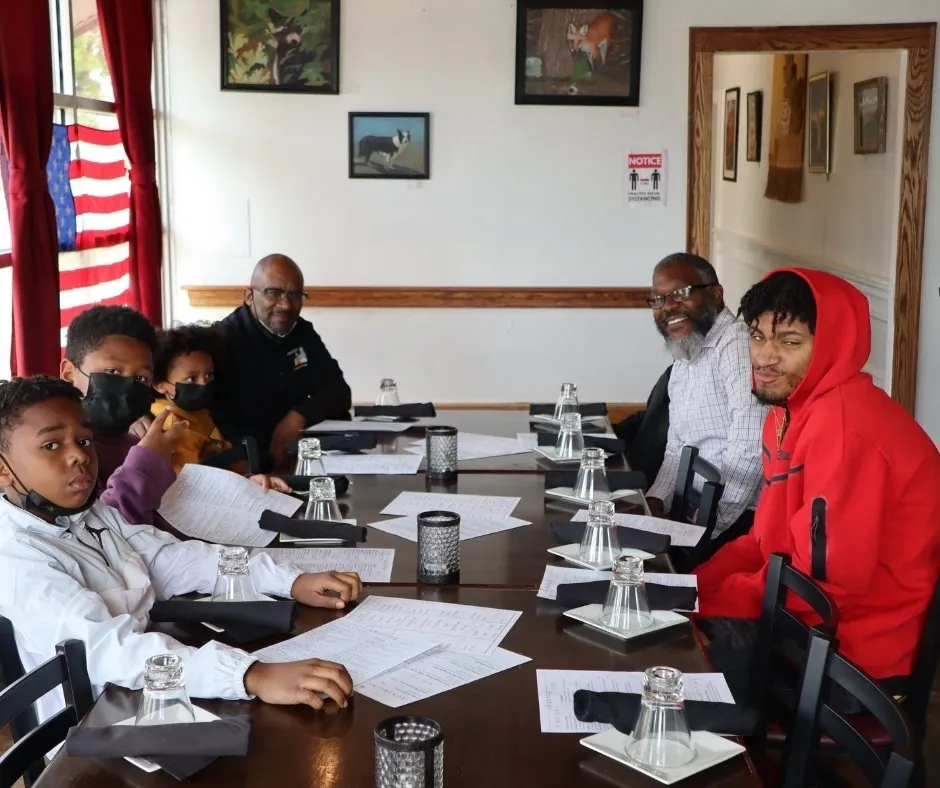
Programs can use similar language while offering very different experiences. One may be one-to-one and community-based. Another may meet at school, focus on careers, gather in groups or use a near-peer model. None of those formats is automatically better. The question is whether the model fits your young person and whether the organization can support it well.
Ask practical questions. How often do people meet? Where do meetings happen? How long is the commitment? Are there group events? Is there a waitlist? What costs, if any, should a family expect? Does the program serve your child’s age group and local area? A responsible organization will be direct about what it can offer and what it cannot.
Use the conversation to learn how your young person might feel in the program. A teenager who wants room to talk may respond well to an individual relationship. A young person who enjoys shared projects may benefit from a model with group activities alongside mentoring. What matters is not forcing a child into the format that sounds most impressive. It is finding an environment where he can show up consistently, feel respected and build a real connection over time.
Families can also ask what a first month typically looks like. That answer reveals a lot. A useful program can describe how introductions happen, how the first meetings are supported and how people stay in touch. If it only talks about the application, it may not have given enough thought to the relationship after the paperwork is complete.
Use your first conversations to test the fit
When you contact a program, bring a short list of questions and listen for clear, specific answers. You might ask: How do you screen and train mentors? How are young people and caregivers prepared? How do you make matches? How often do staff check in? What are your communication and transportation rules? What support is available if the relationship needs help? How do families share concerns? Write down the answers while they are fresh, especially if you are considering more than one option.
It can help to include your child in the conversation when it feels appropriate. He may notice whether people speak to him with respect, explain things clearly and seem interested in his perspective. You do not have to decide on the spot. A program that wants a lasting relationship should respect your family’s need to think, talk and make an informed choice.
For a broader starting point, MENTOR offers a national tool for locating local mentoring programs. A directory can help you find possibilities, but it cannot make the choice for you. Use it to start conversations, then look closely at the fit, safeguards and support each program offers.
A practical checklist for comparing programs
When several programs sound promising, it is easy to compare their mission statements and still feel unsure. A short checklist can turn a general impression into a more useful conversation. Keep it simple. You are not trying to grade an organization from a website. You are trying to understand whether it has the structure, care and communication your young person needs.
Start with the young person. Does the program serve his age group, location and current needs? Does its meeting format work with school, work, caregiving and transportation? Can he describe what mentoring is in a way that feels understandable rather than intimidating? A program may be excellent and still not be the right fit if it asks a family to make a rhythm they cannot sustain.
Then look at the adults and the support around them. Ask whether mentors are interviewed, screened and trained before a match begins. Ask whether training continues and whether mentors have a staff member to call. Look for answers that explain the process without disclosing private personnel details. A program should be able to describe its standards clearly while still respecting the confidentiality of volunteers and participants.
Next, ask how relationships are supported. Does someone check in with the mentor, young person and caregiver? Is there a plan if meetings are missed or a concern comes up? How does the program decide whether a match needs more help? Programs cannot guarantee that every relationship will feel easy. What they can do is show that they will not disappear when normal difficulties arise.
Finally, notice how you feel after the conversation. Did staff answer directly? Did they speak respectfully about young people and families? Did they give you enough information to make a choice without pressure? Trust is built through details. A patient explanation of a waitlist, a clear answer about training or an honest acknowledgment of a program’s limits can be more meaningful than a polished pitch.
Questions worth asking at the first meeting
Families do not need to arrive with a perfect script. A few focused questions are enough to understand whether a program is prepared for the responsibility it is asking your child and family to take on. Ask what a typical first month looks like, how mentors and young people are introduced and what staff do to make those first meetings feel comfortable.
Ask what the program expects from caregivers. You may need to help coordinate schedules, attend an orientation, approve communication plans or stay in touch with staff. Knowing that upfront makes it easier to participate well. It also helps a young person see that the adults around him are working together rather than handing him off.
Ask how the program defines a successful relationship. The most thoughtful answer will not be a promise that every child will achieve a particular result. It will describe consistent contact, mutual respect, young people feeling heard, adults honoring boundaries and families having a way to ask for help. These are the conditions that make longer-term growth more possible.
Ask about access and inclusion. If your family has language needs, a disability, a complicated schedule, a custody arrangement or another consideration that affects participation, find out how the program responds. You do not need to share more than is necessary. You do need to know whether the organization will listen and work respectfully within its role.
There is no prize for choosing quickly. A mentor relationship can become meaningful because it is built with care. Taking time to compare answers, talk as a family and ask one more question is not hesitation. It is part of choosing a program that can be dependable when your young person needs it.
Know when mentoring is one part of the answer
Mentoring can be a powerful source of encouragement, perspective and consistency. It is not designed to carry every need a young person may have. A responsible program should be comfortable saying where its role begins and ends. If a child needs urgent help, clinical support, housing assistance, school intervention or another specialized service, ask the people already involved in his care about the right next step. A mentor may be a caring part of the support network, but should not be expected to replace professional or emergency help.
This is another reason clear communication matters. Families should know whom to contact at the program when a concern comes up, and programs should know when to involve a caregiver or recommend another resource. Honest boundaries protect the relationship. They keep a mentor focused on showing up, listening and encouraging, while the young person receives the right support from the right people.
Choosing a program with that clarity is a sign of strength, not a limitation. The most dependable organizations do not promise to solve everything. They create a stable relationship, stay in touch with families and help young people remain connected to the broader circle of care around them.
Give the relationship room to begin
Once your family chooses a program, it can be tempting to look for quick proof that the match is working. Try to make room for a beginning that is ordinary. A first meeting may be quiet. A young person may test whether the mentor follows through before sharing much. A mentor may need time to learn what kinds of activities or questions make conversation easier. None of that means the relationship is failing.
What matters most early on is whether everyone keeps showing up with respect. Help your child know that he can be honest if something feels awkward or uncomfortable. Encourage him to notice small signs of trust, such as a mentor remembering something he mentioned, arriving as planned or following up on a goal. Those moments are often more meaningful than a big outing or an immediate breakthrough.
Stay connected to the program during those early weeks. Share a scheduling concern before it becomes a pattern, and ask for guidance when you are unsure. Programs are there to support the relationship, not merely to make the introduction. A calm early conversation can often resolve a small misunderstanding and help everyone return to the purpose of the match.
What families can expect from AFGM
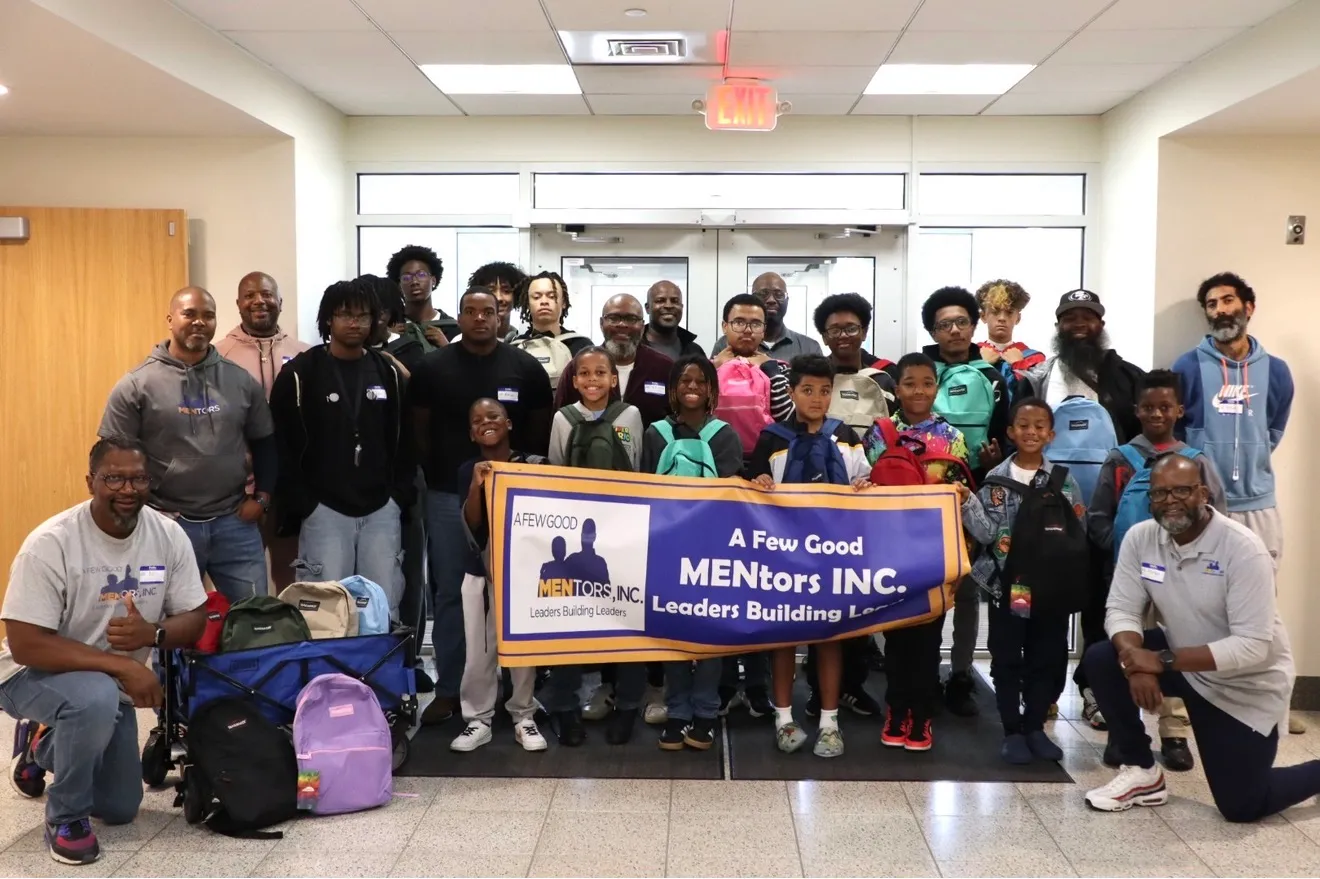
A Few Good MENtors serves boys and young men ages 8 through 21 in Northern Virginia and the wider DMV. AFGM builds one-to-one, character-driven relationships around consistent time, guidance and accountability. Mentors meet or contact their assigned mentees for at least one hour each week during a nine-month commitment, with monthly meetups that help the wider community stay connected.
AFGM also provides initial and quarterly mentor training, and its S.H.I.E.L.D.S. framework keeps conversations connected to spirituality, health, integrity, education, leadership, development and stewardship. Families remain part of the circle around a young person. That means the goal is not to replace the people who care about him, but to add another dependable adult who can show up with respect.
Families who are deciding whether a mentor relationship is the right next step can review AFGM’s family information and read the guide on finding a mentor for a teenager. Men considering the other side of the relationship can learn more about volunteer mentoring opportunities. The best next step is the one that gives your family a clear picture of the commitment and a trustworthy person to talk with.
Questions
Frequently asked questions
What makes a youth mentoring program a good fit?
A good fit starts with a program that can clearly explain whom it serves, how mentors are screened and trained, how often relationships meet, how families stay informed and what support is available after a match begins. The young person’s needs, schedule and comfort should shape the final choice.
How long does it take to get a mentor?
There is no single timeline. Responsible programs take time to enroll families, screen and prepare mentors, consider fit and make a careful introduction. Ask whether there is a waitlist and how the program will keep your family updated while you wait.
Should families meet a potential mentor before a match begins?
Many programs introduce the young person, caregiver and mentor before the relationship starts. Ask how the introduction works, what everyone can expect and who will help if the fit needs more attention. A thoughtful program should make room for questions instead of treating a match as irreversible.
What should I do if a mentoring relationship is not working?
Contact the program staff early. Explain what is not working, whether it is scheduling, communication, comfort or expectations. A quality program should listen, offer support and help decide whether the relationship needs a reset, more guidance or a different next step.
Keep Reading
Related posts
Mentor Guides
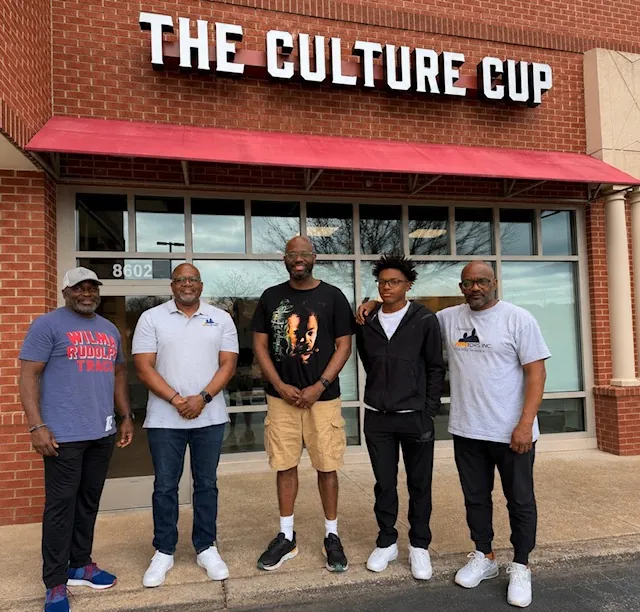
How to Find a Mentor for a Teenager
A practical guide for families choosing a mentoring program, asking the right questions and helping a teenager begin well.
Read the guide →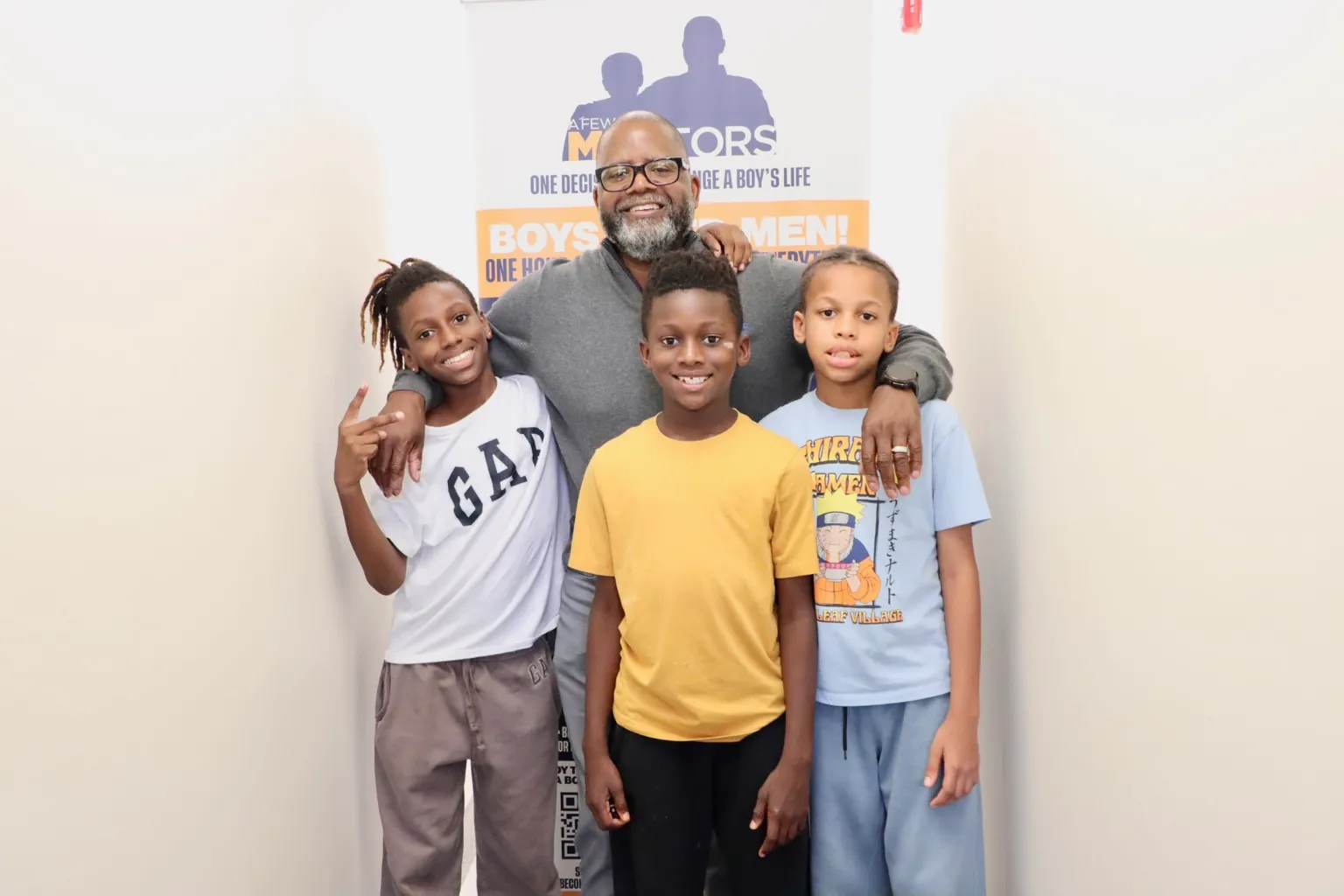
Mentor Guides
Benefits of Youth Mentoring: What Families Should Know
A practical, evidence-informed look at how a steady mentor can support a young person, and what families should expect from a strong program.
Read the guide →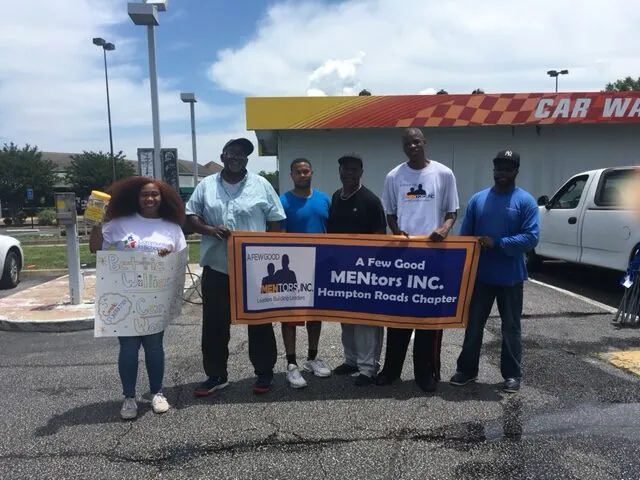
Mentor Guides
How to Start a Mentoring Program for Youth
A practical guide to planning a youth mentoring program with clear purpose, careful safeguards and steady support for every match.
Read the guide →