For Families In Northern Virginia

Young Adult Mentoring Program in Northern Virginia

Give a young adult another dependable man in his corner as he makes choices about work, education, responsibility and the life he wants to build.

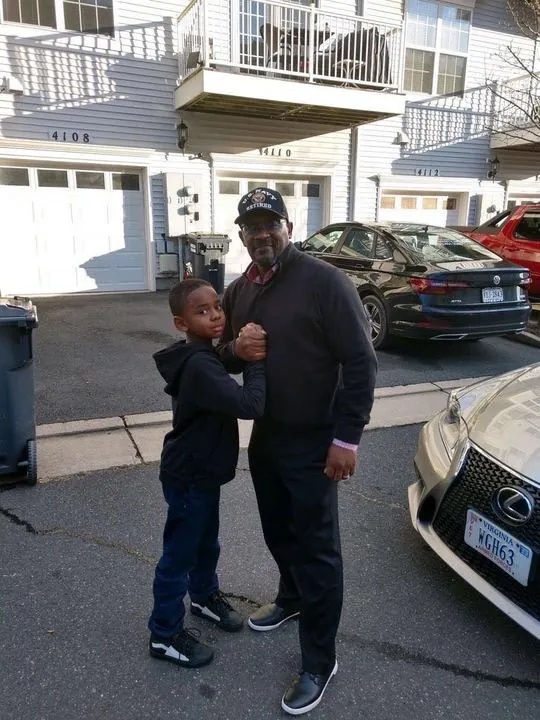
A young man taking part in an AFGM mentoring activity

A Relationship With Purpose

The years after high school can bring more freedom, and more pressure.

A young man between 18 and 21 may be making important decisions for the first time without a clear map. Work, college, training, money, relationships, transportation and family responsibilities can all arrive at once. He may look independent while still carrying questions he does not know how to ask. A dependable mentor gives him another adult relationship where he can think out loud, talk honestly and keep moving forward.

A Few Good MENtors offers one-to-one mentoring for boys and young men ages 8 through 21 in Northern Virginia and the wider Washington metropolitan area. For a young adult, mentoring is not about someone taking over his choices. It is about having a man with character and life experience who will listen, offer perspective and hold him accountable to the goals he says matter.

The relationship makes room for real life. A young man may want to talk through a job decision, an application, a difficult conversation, a habit that needs to change or a goal that feels bigger than his current circumstances. A mentor cannot make those decisions for him, but he can help him slow down, see the options clearly and recognize the value of showing up for his own future.

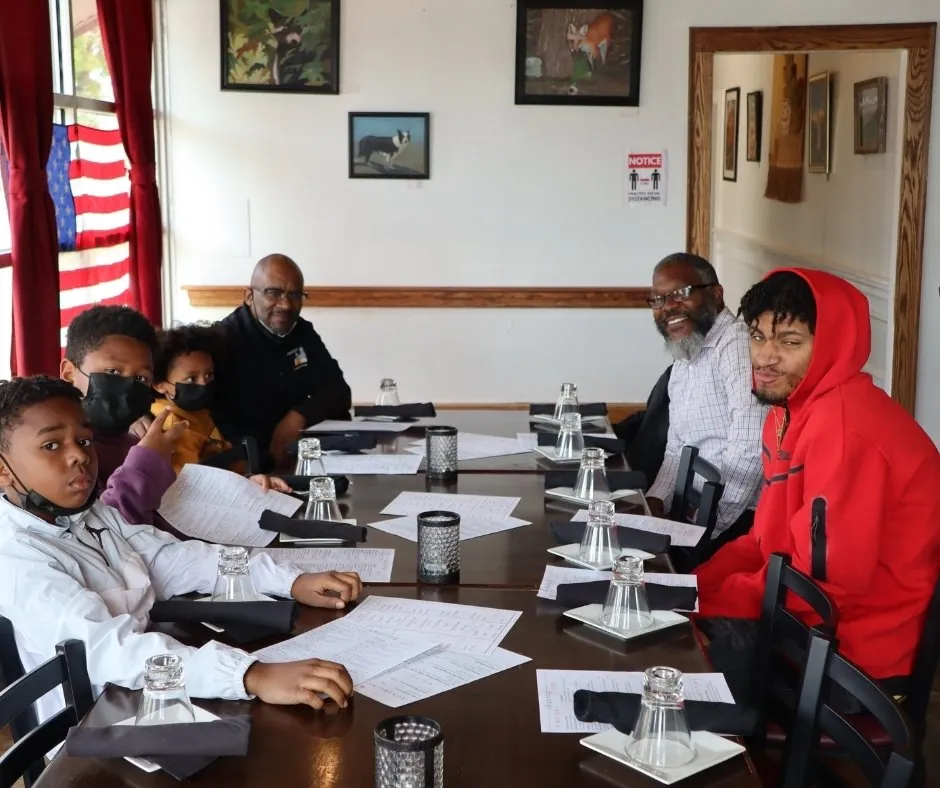
AFGM members spending time together at a community event

Guidance That Shows Up

A steady conversation can be valuable when everything else is changing.

Young adulthood often asks a lot of a person before he has had time to build confidence in every part of life. A first job may bring unfamiliar expectations. College or career training can require new habits. Friends may be moving in different directions. A mentor can be a calm, consistent presence who asks thoughtful questions instead of assuming he has all the answers.

AFGM mentors meet or contact their assigned mentees for at least one hour each week. That regular rhythm matters when life gets busy. It creates space to follow up on a plan, celebrate a small win or talk through what did not go as expected. Consistency helps a young man see that a meaningful relationship is built through follow-through, not one big speech.

Time together can include conversations about work, education, money habits, health, relationships, leadership and the kind of man a young adult wants to become. It can also include ordinary connection. A mentor takes time to learn what matters to the young man in front of him, so the guidance feels personal instead of generic.

What Families Can Expect

A program built around consistency and respect.

01

Perspective without pressure

A young adult has room to bring an honest question to someone who is invested in him, without being told that his future must follow someone else’s plan. The mentor’s role is to listen, challenge with care and help him think clearly.

02

One hour each week

Mentors meet or contact their assigned mentees for at least one hour each week. That dependable time creates an opportunity to return to goals, decisions and conversations instead of leaving them unfinished.

03

A nine-month commitment

The program is built around a nine-month commitment with monthly meetups. Trust takes time, especially when a young man is deciding how much of himself and his future to share.

04

Prepared mentors

AFGM provides initial and quarterly mentor training. Families and young adults can expect healthy boundaries, safety, respect and clear communication to remain central to the relationship.

The AFGM Framework

Character becomes practical in everyday life.

AFGM uses S.H.I.E.L.D.S., a practical framework for the values and life skills that shape a stronger future: Spirituality, Health, Integrity, Education, Leadership, Development and Stewardship. For a young adult, those values can help turn broad hopes into practical choices.

A conversation about a paycheck can become a conversation about stewardship. A missed deadline can lead to a discussion about integrity and follow-through. A new opportunity can raise useful questions about preparation, leadership and the kind of responsibility a young man is ready to carry. The framework gives mentors and mentees useful language without turning every moment into a lecture.

The point is not to prescribe a single path. It is to help a young man connect everyday decisions to the character and habits he wants to build. Progress may look like taking a call, keeping a commitment, asking for help sooner or trying again after a setback.

AFGM community members participating in a youth activity

A Healthy Role

A mentor respects a young adult’s independence while staying present.

At this age, a young man is growing into more responsibility for his own choices. A mentor is not there to manage his life, take the place of a parent or act as a therapist. He is there to offer another trustworthy perspective and help the young adult think through what comes next.

That role works best when it is clear and respectful. A mentor can ask about a goal, help a young man prepare for a difficult conversation or encourage him to follow through on something he has already decided matters. He should not pressure the young man to share more than he is ready to share or pretend that one relationship replaces the rest of a healthy support system.

Families, caregivers, friends, teachers, employers, counselors and community leaders can all matter during this stage of life. AFGM’s mentoring relationship adds another steady connection to that circle. When adults show respect for one another and keep their word, a young man sees what dependable support can look like.

Is This The Right Next Step?

Mentoring can help when a young man wants more direction without losing ownership of his future.

Young adult mentoring may be a good fit when a man between 18 and 21 would benefit from another positive male influence, a trusted listener or consistent encouragement as he works through early adult responsibilities. Some young men are deciding what comes after high school. Others are balancing a job, education, family expectations or a transition that feels harder than they expected.

There is no need to wait for a crisis or a perfect explanation before reaching out. A family or young adult can start with what is happening now, what he is working toward and where another steady relationship could be useful. AFGM can explain the program, the commitment and whether mentoring is likely to be a good fit.

The strongest relationships have honest expectations. A young adult should be willing to make time, speak openly when he is ready and take ownership of the direction he wants to pursue. A mentor brings consistency and encouragement, while the young man remains the person building his own next chapter.

Getting Started

Begin with a conversation about your young man.

  1. 1

    Share what support would help.

    Begin the mentee application with a little about the young man, his interests, what he is working toward and the kind of guidance that could be valuable.

  2. 2

    Talk through the opportunity.

    Learn about the weekly rhythm, the nine-month commitment and whether AFGM mentoring is the right fit for this stage of life.

  3. 3

    Build the relationship through follow-through.

    When a relationship begins, the work is practical: make time, stay in touch, take goals seriously and let trust grow over time.

Questions

Frequently asked questions

What ages can participate in AFGM mentoring?

AFGM considers boys and young men ages 8 through 21 for a mentor relationship. This page is for young adults who are in the later part of that age range.

Can a mentor help with work, education or career decisions?

A mentor can offer encouragement, perspective and practical conversation around goals, habits, work and education. He does not replace a counselor, financial adviser, employer or other professional support.

How much time does a mentor give?

Mentors meet or contact their assigned mentees for at least one hour each week. The program also includes monthly meetups and is built around a nine-month commitment.

How does a young adult get started?

Use the mentee application to begin a conversation with AFGM. The team can explain the next step and help determine whether mentoring is likely to be a good fit.

A Few Good MENtors

Give the next chapter a steady voice of support.

Begin the conversation with AFGM and learn whether a mentor relationship could help a young adult move forward with more confidence and purpose.

Find a mentor