For Mentors
Benefits of Being a Mentor to Youth
A grounded look at what adults can gain from mentoring young people, and what a responsible commitment asks in return.
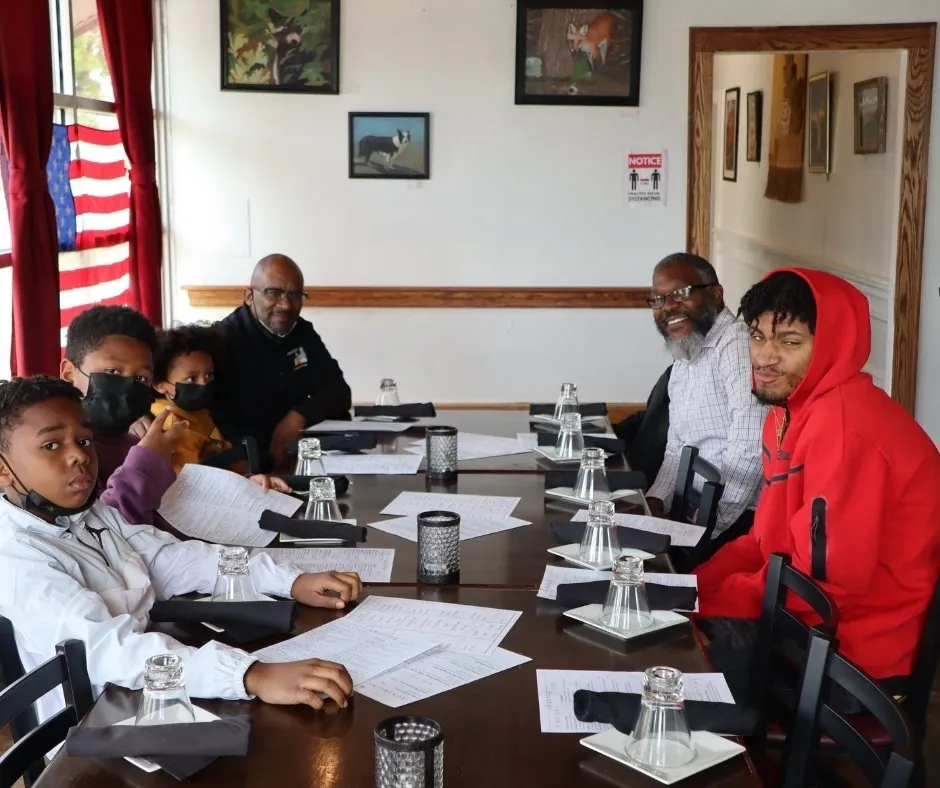
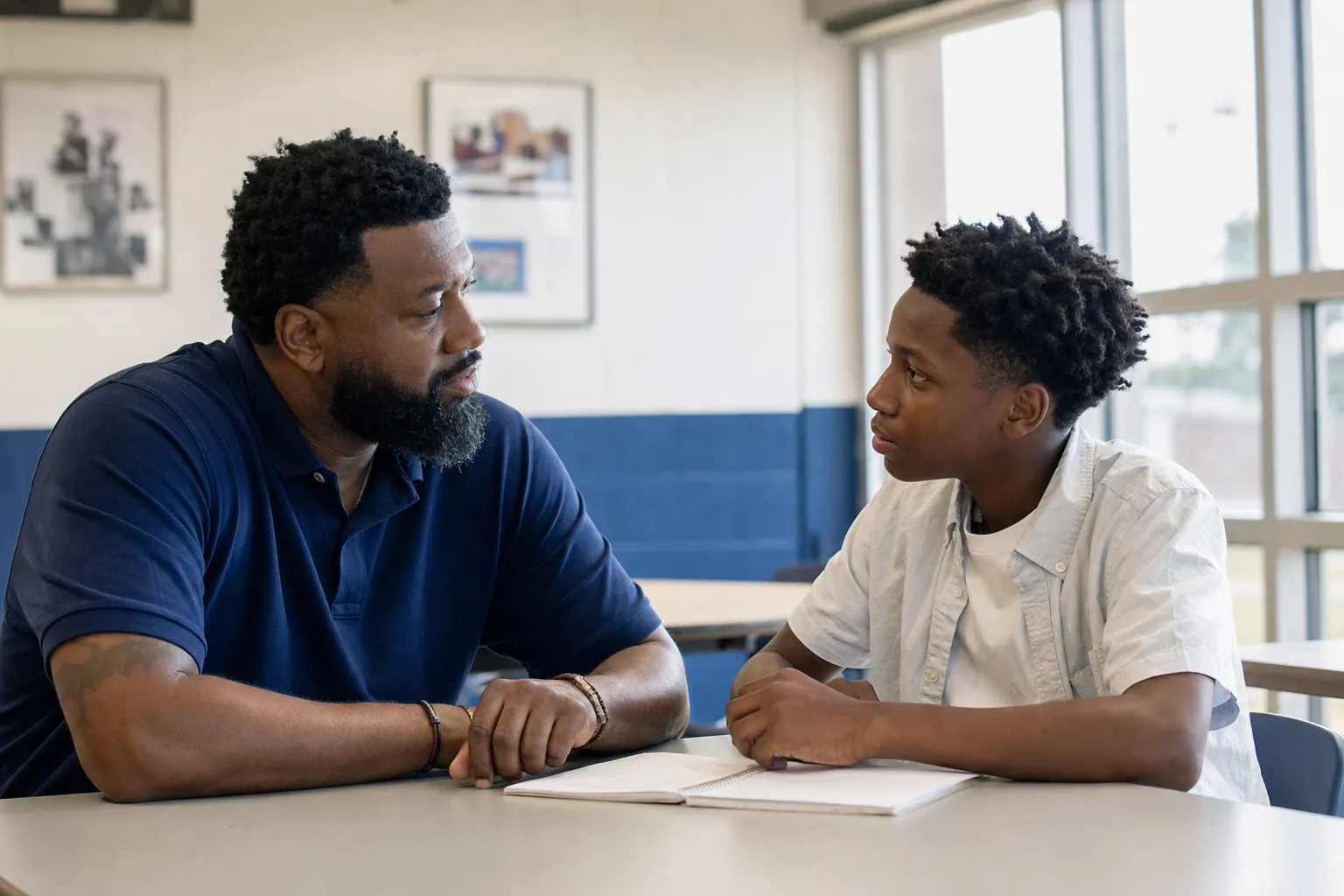
Choosing to mentor a young person is a chance to make room in your week for someone else. It can mean listening to a story you have not heard before, sharing a skill you once had to learn the hard way, or showing that an adult can be both honest and dependable. The relationship is for the young person, first and always. Yet adults often find that the work changes them too.
The benefits of being a mentor to youth are not a promise of instant fulfillment or a line on a résumé. They are the byproduct of showing up, staying curious and honoring a commitment. A good program makes those conditions more likely by setting clear expectations, training mentors and providing support when normal challenges arise.
Mentoring can give your experience a practical purpose
Many adults have lessons that did not come from a textbook: how to recover after a setback, make a good decision under pressure, prepare for an interview, keep a promise or ask for help. Mentoring gives you a place to share that perspective without turning every conversation into advice. The better starting point is usually a question: “What are you thinking about?” or “What would feel like progress this week?”
That is where purpose becomes practical. You are not asked to rescue a young person or map out every step of his future. You are asked to be a consistent person in his corner while he works through his own goals. The National Mentoring Resource Center’s measurement guidance notes that mentoring can help young people build stronger networks of support and access to resources, especially when mentors help them make useful connections without taking over.
Adults can feel that sense of contribution too. The same resource describes mentoring as a reciprocal relationship, where mentors may grow in areas such as purpose, career identity, cultural humility and perspective-taking. Those are possibilities to stay open to, not outcomes to claim in advance. The most useful posture is simple: bring what you know, listen closely and let the young person remain the expert on his own life.
You practice listening in a way that matters
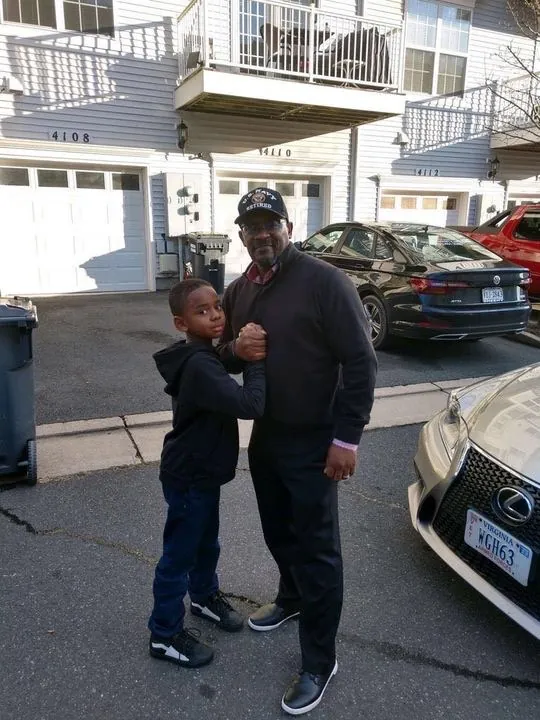
Mentoring asks an adult to slow down. At work and at home, it can be tempting to hear a problem and move straight to a solution. A young person may need something different first: time to explain what happened, space to name what feels difficult, and a calm adult who does not rush to judge.
That practice can strengthen how you communicate everywhere. You learn to ask a follow-up instead of filling the silence. You notice the difference between a question that opens a conversation and one that feels like an interrogation. You learn when encouragement is useful and when it is better to say, “I do not know, but we can think about the next step.”
Research on mentors points in the same direction, though it is worth keeping the evidence in proportion. A 2023 review of 96 studies found potential benefits for adult mentors most often in academic, career and social areas, but it also found that stronger research is still needed before drawing broad conclusions. That is a helpful reminder to value the relationship itself rather than treating mentoring as a personal-development program.
You see your community through a wider lens
A mentoring relationship can introduce you to a young person’s school, interests, family routines and hopes for the future. Some of those experiences may feel familiar. Others may be very different from your own. The point is not to assume you understand everything after a few conversations. It is to keep learning with humility.
That willingness to learn can make you more thoughtful with people beyond the match. You may become more aware of the pressure young people feel around school, work, transportation, social media, family responsibilities or future plans. You may also notice the strengths they already bring: humor, resilience, creativity, loyalty and a clear sense of what matters to them.
The National Mentoring Resource Center identifies perspective-taking and cultural humility as potential areas of mentor growth. In practice, that means respecting the young person’s lived experience, asking instead of assuming, and following the program’s guidance when a difference in background or experience needs care. It is not about becoming an expert in someone else’s life. It is about becoming a more attentive neighbor and adult.

You become part of a steadier circle around a young person
One adult cannot be everything to a young person. That is not the job. The strongest mentoring relationships work alongside caregivers, teachers, program staff and other trusted people. A mentor can offer another voice, another set of questions and another person who follows through, while respecting the roles that already exist.
Being part of that circle can be deeply meaningful. You might celebrate a small school win, help a young person prepare for a conversation, talk through a goal, or simply keep a planned check-in when he expects it. Those moments may look ordinary from the outside. Their value comes from their consistency.
A well-run program gives that consistency structure. MENTOR’s workplace mentoring guidance notes that adults may gain fulfillment and stronger communication or leadership skills, while also learning from young people. It also cautions against selling mentoring as a guaranteed career reward. That balance matters. The relationship can be rewarding, but the commitment should rest on service, respect and reliability.
The commitment can clarify what you have to offer
Prospective mentors sometimes worry that they do not have a dramatic story or specialized expertise. Young people rarely need a polished speech. They need an adult who can be present, remember what was said last week and make a realistic promise he can keep.
That is why it helps to take an honest look at your schedule before you apply. Can you protect regular time? Can you communicate early if a plan must change? Can you complete training, follow boundaries and ask staff for help instead of trying to handle a concern alone? Saying yes to those questions is more valuable than having the perfect activity planned.
It also gives you a clearer picture of your own strengths. Maybe you are good at making a quiet space for a conversation. Maybe you know how to introduce a young person to a career field, organize a goal into smaller steps or keep going when motivation fades. A mentor does not need to perform. He needs to be real, prepared and willing to learn.
How to decide whether this is the right time to mentor
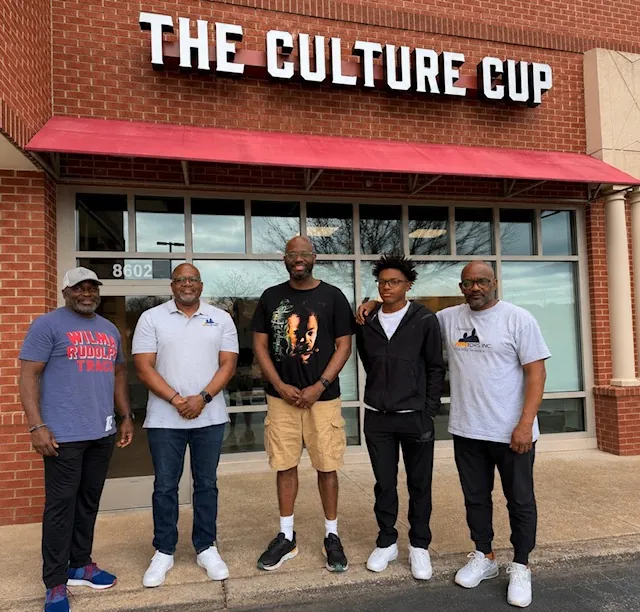
Interest is a good beginning, but it is not the whole decision. Before you apply, look honestly at the season you are in. A new job, a family transition, a long commute or a demanding caregiving responsibility does not make you less caring. It may simply mean that a regular mentoring commitment is not realistic right now. It is better to wait than to make a promise you cannot protect.
Start with the practical questions. What evening, weekend hour or lunch break could you keep most weeks? How would you get to meetings? What would you do if work travel or a family obligation conflicts with a plan? Which people in your own life need to understand and support the commitment? Clear answers now make it easier to be dependable later.
Then consider how you respond when someone is quiet, discouraged or different from you. Good mentors do not need to share every interest or experience with a young person. They do need patience. They need to be able to hear a perspective they did not expect, ask a respectful question and avoid making the conversation about themselves. If that sounds like a skill you are still developing, that is not a reason to stay away. It is a reason to choose a program that offers thoughtful preparation and ongoing support.
You can also think about the kind of support you are ready to offer. Some men are especially comfortable discussing school and career goals. Others bring a love of practical skills, sports, books, music, faith, community service or simply a calm presence. The relationship should not be built around your interests alone, but knowing what you can share helps you enter it with humility and intention.
A final question is often the most important: are you ready to keep showing up when the relationship feels ordinary? Trust rarely arrives during a single memorable outing. It develops when a young person sees that you remember a conversation, follow through on a small promise and come back after a quiet week. That is where the value of mentoring becomes visible, for the young person and for the adult who chose to be there.
There is room to begin with curiosity. You do not have to predict every conversation or know exactly what impact you will have. A strong program will help you understand the first steps, set appropriate boundaries and learn from the match over time. Your job is to arrive ready to listen, keep learning and be honest when you need support. That steady approach is more useful than trying to be impressive.
What a responsible mentoring commitment requires
The personal benefits of mentoring do not outweigh the responsibility. Before joining a program, ask how mentors are screened, trained and supported. Ask how the organization handles missed meetings, communication with families and concerns about safety. A responsible program should be able to explain its process clearly, while protecting private information.
Know the boundaries of the role. A mentor is not a parent, therapist, teacher, attorney or emergency responder. When a young person brings up a serious health, safety or legal concern, the right move is to follow the program’s procedures and involve the proper staff, caregiver or professional. Keeping that boundary protects both people and makes the relationship more trustworthy.
Finally, let the young person have a voice. Good mentoring is not something done to him. His interests, comfort and goals should shape the relationship. Your consistency gives him room to decide how much to share and where he wants support. That is a more durable kind of influence than trying to direct every outcome.
How AFGM helps men show up well
A Few Good MENtors serves boys and young men ages 8 through 21 in Northern Virginia and the wider DMV. The program pairs young men with qualified, character-driven mentors who meet or contact their mentees for at least one hour each week during a nine-month commitment. Monthly meetups create another place for the community to stay connected.
AFGM provides initial and quarterly mentor training and uses the S.H.I.E.L.D.S. framework to guide conversations around spirituality, health, integrity, education, leadership, development and stewardship. The aim is not to make every mentor the same. It is to give men a dependable structure for showing up with care, accountability and respect.
If you are considering the role, start with AFGM’s mentor overview, then read the guide to habits that make a good mentor and the practical advice on mentoring a teenager. These resources can help you decide whether the commitment fits your life before you begin an application.
Questions
Frequently asked questions
What are the benefits of being a mentor to youth?
Many mentors describe a stronger sense of purpose, a chance to listen and learn across generations, and growth in communication and perspective-taking. Those benefits are possible, not guaranteed. They grow out of a respectful, well-supported relationship rather than a single volunteer experience.
Do I need special experience to mentor a young person?
Most formal programs look first for a reliable adult who can respect boundaries, complete screening and training, and honor a realistic commitment. You do not need to be a therapist, teacher or perfect role model. You do need to be willing to keep learning and to follow the program’s safeguards.
How much time does youth mentoring take?
Each program sets its own expectations. Before applying, ask about meeting frequency, travel, communication, training and the minimum commitment. At AFGM, mentors meet or contact their assigned mentees for at least one hour each week during a nine-month program, with monthly meetups and ongoing training.
Can a mentor help a young person through a serious problem?
A mentor can listen, encourage and alert the right people within a program’s procedures. He should not promise secrecy, replace a caregiver, or try to handle a health, legal or safety concern alone. Strong programs give mentors a clear staff contact and clear guidance about when to ask for help.
Keep Reading
Related posts
Mentor Guides
How Do I Become a Mentor? A Practical Guide
A clear guide to choosing a mentoring program, preparing for the process, and building a dependable relationship with a young person.
Read the guide →
Mentor Guides
How to Be a Good Mentor: 7 Habits That Matter
Seven practical habits that help a mentor build trust, listen well and offer a young person steady guidance over time.
Read the guide →
Mentor Guides
How to Be a Mentor to a Teenager
A practical guide to earning trust with a teenager, staying consistent and knowing when to ask for support.
Read the guide →