For Families In Northern Virginia

Middle School Mentoring Program in Northern Virginia

Give a middle school boy another dependable adult who can listen, encourage him and help him handle a season of rapid change.

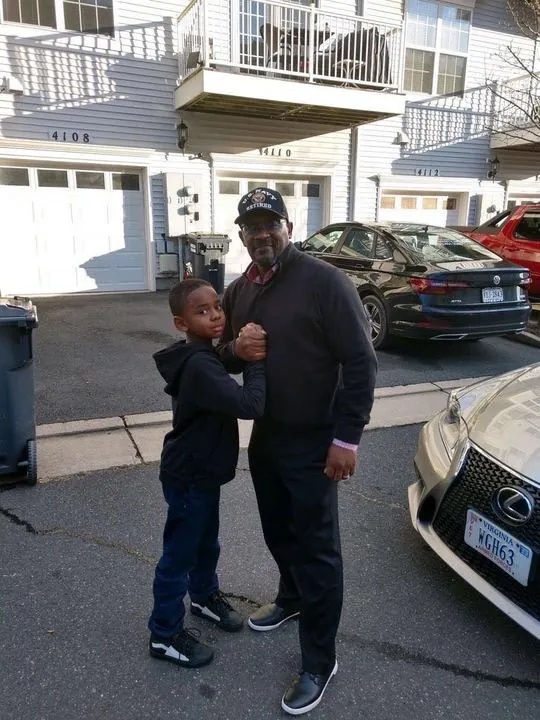
Young men participating in an AFGM program

A Relationship With Purpose

Middle school can bring bigger feelings and bigger questions at the same time.

Middle school is a season of change. A young man may be adjusting to new expectations, new friendships, a larger school, changing interests and a stronger desire for independence. He may look confident one day and uncertain the next. Families remain the foundation, but another dependable adult can give him a different place to talk through what he is experiencing.

A Few Good MENtors offers one-to-one mentoring for boys and young men ages 8 through 21 in Northern Virginia and the wider Washington metropolitan area. For a middle school student, mentoring is not about pushing him to grow up too fast. It is about making room for a respectful relationship with a man who will listen, notice effort and help him build the habits and judgment that matter as life becomes more complex.

A mentor can offer a calm voice when schoolwork feels harder, when a friendship changes or when a young man is testing what independence means. He does not need to solve every problem. By showing up consistently and asking a thoughtful question, he can help a young man pause, see a situation more clearly and believe he can make a better next choice.


A young man taking part in an AFGM mentoring activity

Guidance That Shows Up

A steady relationship can make a growing world feel more manageable.

For many middle school boys, the adults in their lives are asking more of them while they are still learning how to handle new responsibilities. A mentor can make space for the questions that do not always come out at the dinner table or in a classroom. The relationship offers attention without a lecture and encouragement without pretending that every challenge is easy.

Mentors meet or contact their assigned mentees for at least one hour each week. That dependable rhythm helps a young man learn that a good relationship is built through follow-through. A mentor can ask about the assignment from last week, remember the team tryout or check in after a tough conversation. Those small acts of attention help a young man feel seen.

Time together can include talking about school, goals, healthy habits, hobbies, friendships and the choices that shape character. It can also include simply spending time in a way that lets trust grow naturally. The relationship fits the young man rather than asking him to perform or have the right words from the start.

What Families Can Expect

A program built around consistency and respect.

01

A mentor who listens

AFGM pairs young men with character-driven mentors who take time to learn what matters in their lives. A middle school student has room to be heard by an adult who is invested in him as a person, not only in his grades or behavior.

02

One hour each week

Mentors meet or contact their assigned mentees for at least one hour every week. That regular time gives a young man a dependable point of connection during a busy season of school, activities and family life.

03

A nine-month commitment

The program is built around a nine-month commitment with monthly meetups. The length matters because trust needs time to move past first impressions and become a relationship where a young man can bring an honest question.

04

Training and care

Mentors receive initial and quarterly training. Families can expect the program to value healthy boundaries, safety, respect and communication as the relationship develops.

The AFGM Framework

Character becomes practical in everyday life.

AFGM uses S.H.I.E.L.D.S., a practical framework for the values and life skills that shape a stronger future: Spirituality, Health, Integrity, Education, Leadership, Development and Stewardship. It gives mentors and young men useful language for the choices they face at school, at home and with friends.

For a middle school student, character often grows in small moments. Keeping a promise, speaking respectfully after a disagreement, preparing for a test or trying again after a setback can all become real examples of responsibility. A mentor helps connect those moments to the person a young man is becoming, without making every conversation feel like a lesson.

AFGM community members gathered together at an event

A Healthy Role

A mentor supports your family, he does not replace it.

Parents and caregivers know a middle school student best. A mentor is not there to take over family decisions, act as a disciplinarian or replace the adults already caring for a young man. He is there to add another respectful relationship to the circle around him.

That role can be especially valuable when a young man needs a different perspective. A mentor may help him think through a goal, prepare for a conversation with a teacher or reflect on a choice that did not work out as planned. The family remains central while the mentor offers encouragement and practical guidance.

AFGM’s mentor training and program support help keep those roles clear. Families can share concerns, ask questions and stay connected as the relationship grows. When adults work together with respect, a young man has more room to feel secure and take ownership of his progress.

Is This The Right Next Step?

The middle school years are a good time to add steady support.

A mentoring relationship may be helpful when a middle school boy would benefit from another positive male influence, a trusted listener or consistent encouragement around school, confidence and daily choices. Some families are looking for support during a transition. Others want to strengthen the circle around their son before a small concern becomes a larger one.

There is no requirement to have a crisis or a detailed plan before reaching out. You can start with what you are seeing, what your son enjoys and the kind of support you hope a mentor relationship could offer. AFGM can help your family understand whether the program fits at this point in his life.

The best relationships have clear expectations. Families should be ready to support a connection built on respect and consistency. Young men should know that mentoring is a place to be themselves, ask questions and practice making thoughtful choices one step at a time.

Getting Started

Begin with a conversation about your young man.

  1. 1

    Share what your son needs.

    Use the mentee application to tell AFGM about his interests, the season he is in and the support that could be helpful.

  2. 2

    Learn about the program.

    Talk through the weekly rhythm, the nine-month commitment and whether a mentoring relationship is likely to be a good fit.

  3. 3

    Give trust time to grow.

    When a relationship begins, consistent time and honest conversation can help a young man build confidence in himself and the adults around him.

Questions

Frequently asked questions

What ages can participate in AFGM mentoring?

AFGM considers boys and young men ages 8 through 21 for a mentoring relationship. Middle school students may be considered as part of that age range.

Can a mentor help with school challenges?

A mentor can offer encouragement, perspective and practical conversation around school, habits and goals. He does not replace a parent, teacher, counselor or school support professional.

How much time does a mentor give?

Mentors meet or contact their assigned mentees for at least one hour each week. The program also includes monthly meetups and is built around a nine-month commitment.

How do families begin?

Use the mentee application to introduce your family to AFGM. The team can explain the next step and help you understand whether mentoring is a fit for your son.

A Few Good MENtors

Give your son another steady adult in his corner.

Begin the conversation with AFGM and learn whether a mentor relationship could help your middle school student move forward with confidence.

Find a mentor