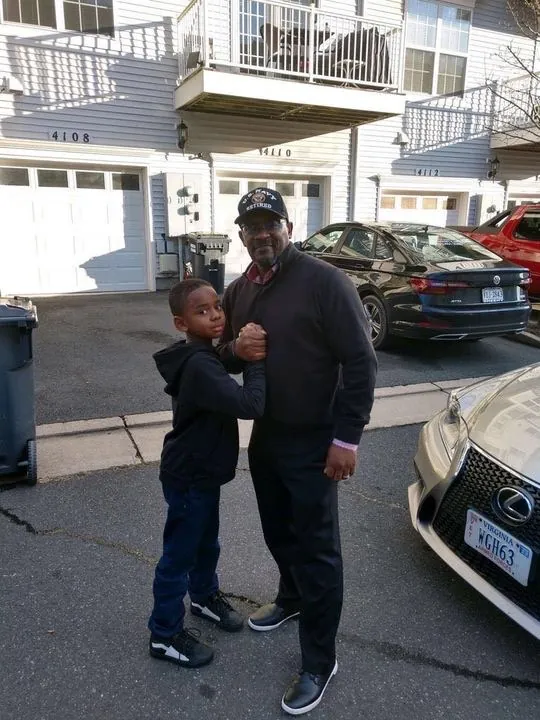
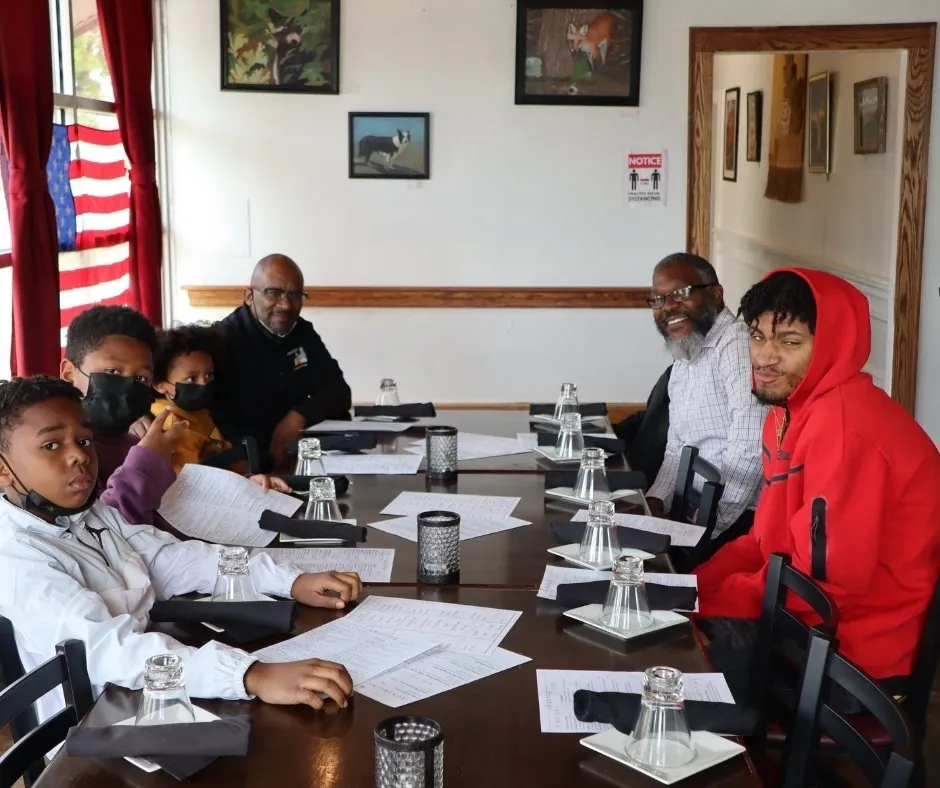
Parents, caregivers, teachers, counselors, coaches and other trusted adults all have important roles in a teen’s life. A mentor adds support to that circle. He can listen, encourage and offer a different perspective, but he is not there to replace a parent, make decisions for the family or become the only adult a young man relies on.
That clarity protects the relationship. A mentor can help a teen prepare for a conversation with a teacher, think through a goal or reflect on what a first job is teaching him. Families stay connected to the daily decisions, responsibilities and relationships that shape their son’s life. The goal is not to create distance between a teen and the people who care for him, but to add another consistent voice of encouragement.
AFGM’s mentor training helps keep those roles clear. Families can ask questions, share concerns and understand the commitment before a relationship begins. When the adults around a young man treat one another with care and keep their word, he sees what dependable support looks like in practice.