
A mentor who learns who he is
AFGM pairs young men with character-driven mentors prepared to get to know their interests, strengths and goals. Your son is not treated as a project. He is treated as a person with his own voice and direction.
For Families In Northern Virginia
When you are looking for a mentor for your son, you are looking for a good man who will make time, listen with respect and keep showing up. AFGM helps families begin that conversation.
A Relationship With Purpose
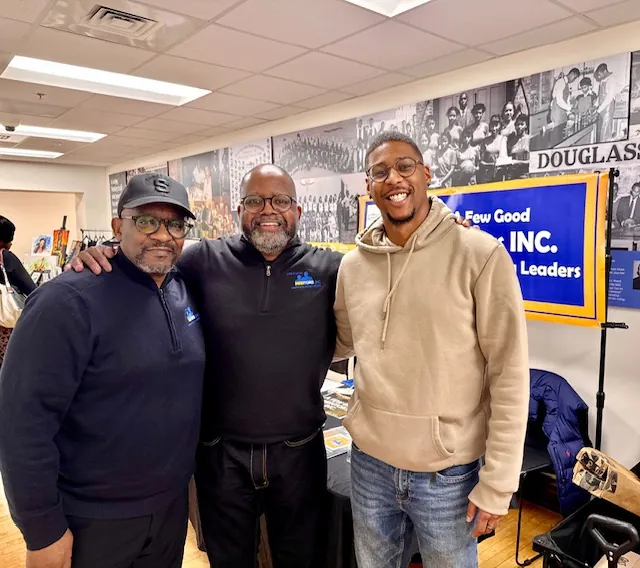
Parents often start looking for a mentor because they can see their son is carrying questions that deserve more than a quick answer. He may be figuring out school, friendships, confidence, responsibility, a future job or simply what kind of man he wants to become. You may not be looking for someone to fix a problem. You may want another steady adult who will notice him, encourage him and take his potential seriously.
A Few Good MENtors connects boys and young men ages 8 through 21 with men who are prepared to build a respectful one-to-one relationship. A good mentor does not arrive to replace a parent, caregiver, teacher, counselor or coach. He adds another trustworthy voice to the circle already around your son, giving him room to talk, ask questions and think through his next steps.
AFGM serves families in Northern Virginia and the wider Washington metropolitan area. The program is built for relationships that have enough consistency to matter. Rather than a one-time talk or a vague promise to stay in touch, each match is shaped by regular contact, clear expectations and a shared commitment to your son’s growth.
Guidance That Shows Up
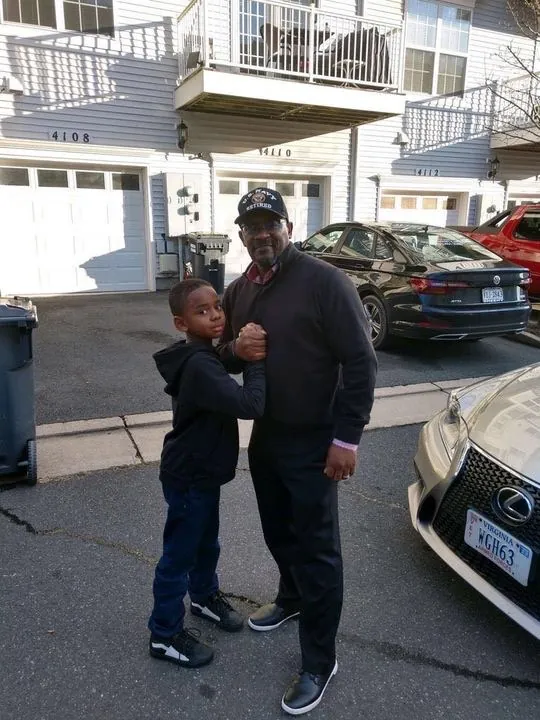
Trust rarely comes from one perfect conversation. It grows when a mentor remembers what your son cared about last week, asks how a hard moment went and follows through on plans. Those ordinary acts help a young man learn that he does not have to handle every question alone and that his goals are worth another person’s attention.
AFGM mentors meet or contact their assigned mentees for at least one hour each week. That rhythm leaves room for the relationship to become real. A conversation may be about a class, a first job, a friendship, a decision at home or an interest your son wants to explore. The mentor’s role is to listen, ask useful questions and offer perspective, not to lecture or take control.
Monthly meetups give the one-to-one relationship a wider sense of community. Your son can see positive examples, take part in shared experiences and spend time around people who value character, responsibility and growth. The goal is not to fill every moment of his schedule. It is to create reliable opportunities for encouragement, accountability and connection.
What Families Can Expect
AFGM pairs young men with character-driven mentors prepared to get to know their interests, strengths and goals. Your son is not treated as a project. He is treated as a person with his own voice and direction.
Mentors meet or contact their mentees for at least one hour each week. Regular time makes it possible for a mentor to move past surface-level advice and become a dependable presence.
The program is built around a nine-month commitment and monthly meetups. That time gives trust room to grow through ordinary weeks, changes in routine and the small wins that matter to your son.
Mentors receive initial and quarterly training. Safety, respect, communication and healthy boundaries are part of the program so families can feel confident about the adults welcomed into their son’s support system.
The AFGM Framework
AFGM uses S.H.I.E.L.D.S., a practical framework for the values and life skills that can help young men build a stronger future: Spirituality, Health, Integrity, Education, Leadership, Development and Stewardship. It gives mentors and mentees a shared language for the qualities that matter when choices become more complex.
The framework is meant to be useful in everyday life. A late assignment can open a conversation about follow-through. An interest in work can become a discussion about preparation. A disagreement can create room to think about respect and integrity. Your son does not need a speech at every meeting. He needs a man who is present enough to help him notice what a moment can teach him.
For families, this creates a clear purpose without making the relationship feel forced. Your son can bring his own personality, questions and interests to the connection, while the adults around him share a commitment to character, responsibility and steady growth. Progress may look like more confidence, a better question, a kept promise or the courage to try again.
A Healthy Role
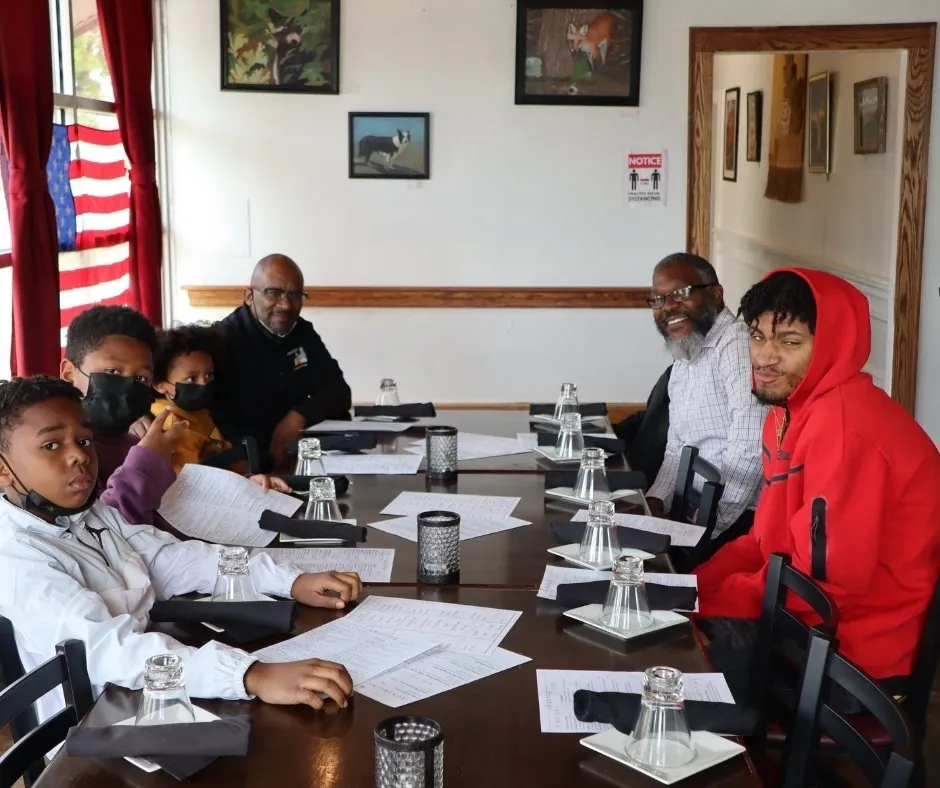
You know your son best. A mentor is there to add support, not to become the person in charge or compete with the people who love him. Healthy mentoring works alongside parents, caregivers, school staff and other trusted adults, with respect for the relationships that already shape your son’s life.
That clarity makes the relationship stronger. A mentor can help your son prepare for a conversation, reflect on a goal or consider a choice, while you remain connected to the daily decisions and responsibilities at home. AFGM’s training helps mentors understand the importance of communication, appropriate boundaries and mutual respect.
When the adults around a young man keep their word and treat one another with care, he sees more than good advice. He sees what dependable relationships look like. That example can help him build confidence at home, at school and in the wider community.
Is This The Right Next Step?
Mentoring may be a good fit when your son would benefit from a trusted listener, a positive male example or regular encouragement. Some families are looking for support around confidence, school, friendships, goals or a major transition. Others simply want their son to have another good man who will make time for him and take his future seriously.
You do not need to wait for a crisis or have every answer before reaching out. Start with what you are noticing, what your son enjoys and what kind of guidance could be useful. AFGM can explain the weekly rhythm, the nine-month commitment and what it looks like for a family to be part of the process.
Before you apply, it can help to talk with your son in a simple, low-pressure way. Let him know that a mentor is not there to judge him or tell him who to become. The relationship gives him another person who can listen, share perspective and notice the effort he is making. His comfort and willingness to take part matter because the strongest connections are built with honesty from the start.
Strong mentor relationships begin with clear expectations. Families should be ready to support a connection built on respect and follow-through. Young men should know they will have room to be themselves, ask honest questions and take ownership of the goals they want to pursue.
Getting Started
Begin the mentee application with his interests, strengths and the kind of support you hope a mentor relationship can provide.
Learn about the weekly commitment, the mentoring process and whether AFGM is a good fit for your family.
When a match begins, the work is steady and simple: show up, stay in touch and make room for trust to grow.
Questions
AFGM considers boys and young men ages 8 through 21 for a mentoring relationship. Families can begin by sharing what support would be most useful for the young man in their life.
AFGM serves Northern Virginia and the wider Washington metropolitan area. The mentee application is the best first step for a family that wants to discuss local mentoring support.
Mentors meet or contact their assigned mentees for at least one hour each week. The program is built around a nine-month commitment and includes monthly meetups.
AFGM provides initial and quarterly mentor training. The program emphasizes healthy boundaries, safety, respect and a mentoring relationship that works alongside a young man’s family and other trusted adults.
A Few Good MENtors
Begin the conversation with AFGM and learn whether a steady mentoring relationship could be the right next step for your family.