For Families In Northern Virginia

Mentor DMV: Youth Mentoring for Young Men

For families seeking a mentor in the DMV, AFGM offers a steady relationship rooted in character, practical guidance and the kind of follow-through that earns trust.

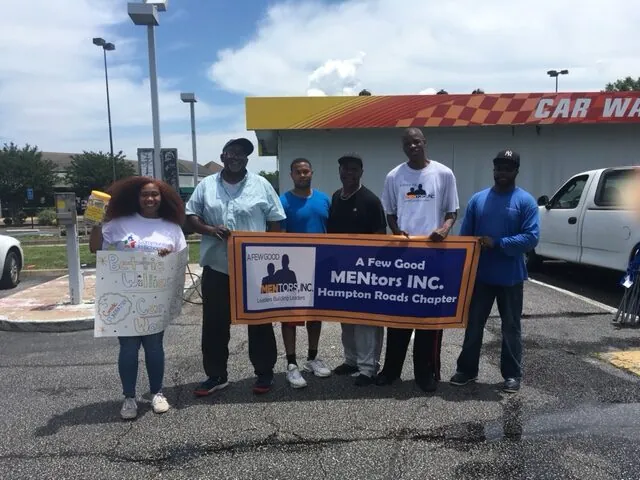
AFGM community members together at a mentoring event

A Relationship With Purpose

A local mentor can give a young man more room to grow.

When a family looks for a mentor in the DMV, the search often begins with a simple hope: another good man in their son’s corner. Not someone who will arrive with all the answers, but someone who will take the time to listen, remember what matters and keep showing up. A Few Good MENtors connects boys and young men ages 8 through 21 with experienced men who understand that trust is built slowly and respectfully.

AFGM serves Northern Virginia and the wider Washington metropolitan area. The program is designed for families who want another dependable adult around a young man as he navigates school, friendships, confidence, choices and the questions that come with growing up. A local relationship makes it easier for mentoring to feel connected to real life rather than like one more activity on an already full calendar.

A mentor does not replace a parent, caregiver, teacher, counselor or coach. He adds another steady perspective to the circle already supporting a young man. That distinction matters. A healthy mentor relationship gives a young person room to talk honestly, see his strengths more clearly and practice making thoughtful decisions while his family remains central to his life.
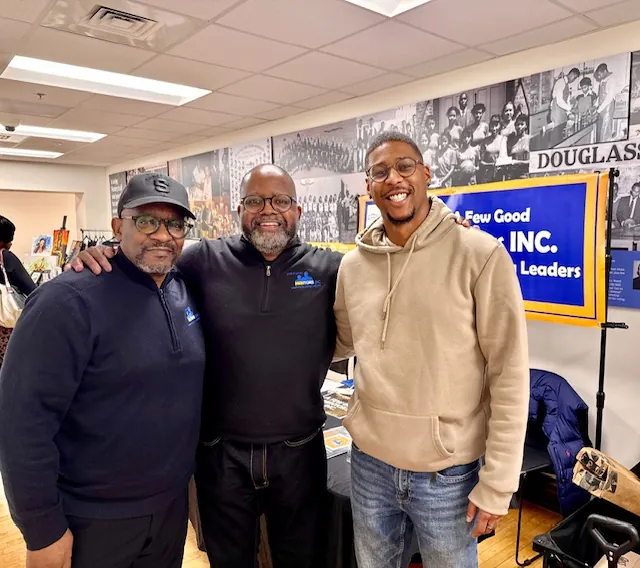
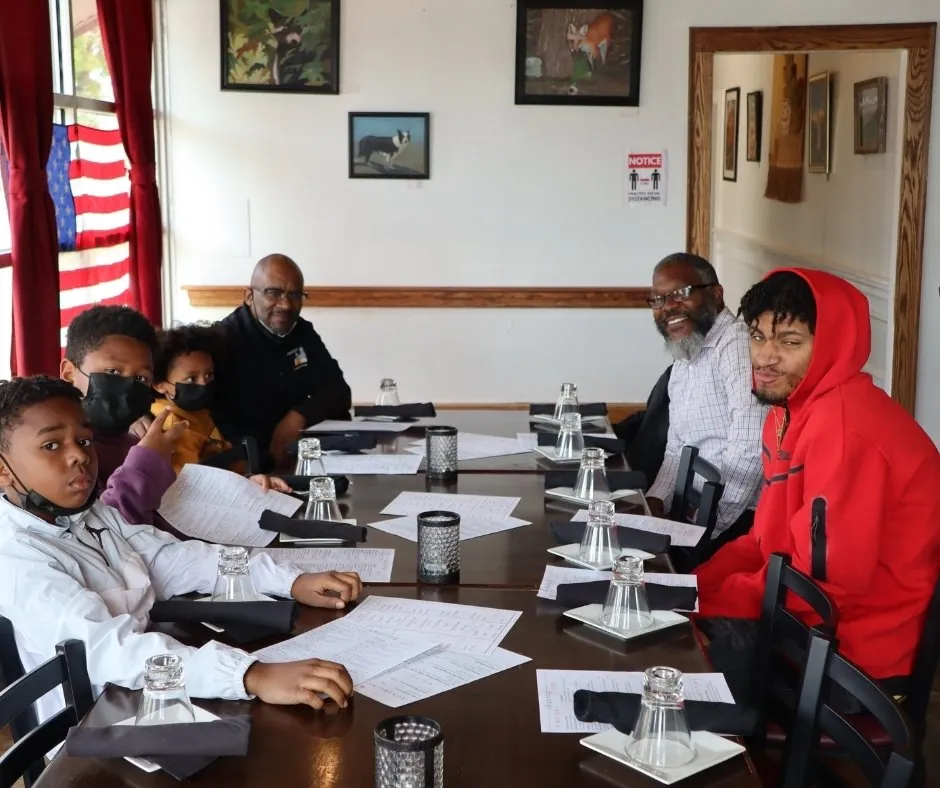
AFGM members spending time together at a community event

Guidance That Shows Up

The best mentor relationships are built through ordinary follow-through.

Families in the DMV have many choices competing for a young man’s attention. What can be harder to find is a relationship with enough time and intention to matter. AFGM mentors meet or contact their assigned mentees for at least one hour each week. That predictable rhythm gives a young man an adult who can ask about the conversation from last week, notice progress and stay present when life feels complicated.

The conversation can be practical. A mentor may help a young man think through a school goal, a first job, a friendship, a difficult choice or the habits that make a stronger future possible. He is not there to deliver a speech or dictate a plan. He is there to offer perspective, ask thoughtful questions and help a young man take ownership of his next step.

AFGM also brings mentors and young men together through monthly meetups. These shared experiences give relationships a community context and let a young man see that he is not alone in the work of growing. The point is not to fill a schedule. It is to make room for connection, accountability and positive examples close to home.

What Families Can Expect

A program built around consistency and respect.

01

One-to-one guidance

AFGM pairs young men with character-driven mentors who are prepared to get to know them as people. The relationship leaves room for encouragement, honest conversation and accountability that respects a young man’s individual goals.

02

One hour each week

Mentors meet or contact their mentees for at least one hour every week. Repeated follow-through gives trust a chance to grow and shows a young man that a caring adult can be counted on.

03

A nine-month commitment

The program is built around a nine-month commitment with monthly meetups. That time helps a relationship move beyond introductions and develop the familiarity that makes guidance feel real.

04

Prepared, supported mentors

Mentors receive initial and quarterly training. Healthy boundaries, safety, respect and communication are important parts of how AFGM supports each mentoring relationship.

The AFGM Framework

Character becomes practical in everyday life.

AFGM uses S.H.I.E.L.D.S., a practical framework for the values and life skills that support a stronger future: Spirituality, Health, Integrity, Education, Leadership, Development and Stewardship. It gives mentors and young men a shared language for the qualities that matter when decisions become more complex.

Those values are meant to be useful in everyday life. A missed assignment can open a conversation about follow-through. A new opportunity can bring up preparation and confidence. A disagreement can become a chance to talk about integrity and respect. The mentor’s role is not to make every moment a lesson. It is to help a young man notice what his choices can teach him.

For families, this framework makes the purpose of mentoring clearer. The relationship can be warm and natural while still being anchored in character, personal responsibility and the belief that young men can grow through steady support. Progress may look like a better question, a kept commitment or the willingness to try again after a setback.

AFGM community members participating in a youth activity

A Healthy Role

A mentor strengthens the support around a young man.

Families remain the foundation of a young man’s life. A mentor is there to offer another caring perspective, not to become the person in charge or compete with the people who know him best. Healthy mentoring works alongside parents, caregivers, school staff and other trusted adults.

That clarity protects everyone involved. A mentor can help a young man prepare for a conversation, reflect on a goal or work through a choice, while the family stays connected to the decisions that shape daily life. AFGM’s training helps mentors understand the importance of respect, communication and appropriate boundaries.

When the adults around a young man treat each other with care and keep their commitments, he sees more than good advice. He sees a model for dependable relationships. That can make it easier to build confidence at school, at home and in the wider community.

Is This The Right Next Step?

A first conversation can help your family decide what support would help.

A mentor relationship may be a good fit when a boy or young man would benefit from a trusted listener, positive male example or regular encouragement. Some families are looking for support around confidence, school, choices or a major transition. Others simply want their son to have another man who will make time for him and take his goals seriously.

You do not need to wait for a crisis or have every detail worked out before reaching out. The right first conversation starts with what you are noticing, what your son enjoys and what kind of support could be useful. AFGM can help you understand the weekly rhythm, the nine-month commitment and whether mentoring feels like the right next step.

Strong relationships begin with clear expectations. Families should be ready to support a connection built on respect and follow-through, and young men should know that they will have room to be themselves, ask questions and take ownership of the direction they want to pursue.

Getting Started

Begin with a conversation about your young man.

  1. 1

    Share what support could help.

    Begin the mentee application with information about your son, his interests and the kind of guidance you hope he can find.

  2. 2

    Talk through the opportunity.

    Learn about the weekly commitment, the mentoring process and whether AFGM is a good fit for your family.

  3. 3

    Give trust time to grow.

    When a relationship begins, the work is steady and simple: show up, stay in touch and make room for a meaningful connection.

Questions

Frequently asked questions

Who can be considered for AFGM mentoring?

AFGM considers boys and young men ages 8 through 21 for a mentoring relationship. Families can begin by sharing what support would be most useful for the young man in their life.

Where does AFGM serve in the DMV?

AFGM serves Northern Virginia and the wider Washington metropolitan area. The mentee application is the best first step for a family that wants to discuss local mentoring support.

How much time does an AFGM mentor give?

Mentors meet or contact their assigned mentees for at least one hour each week. The program is built around a nine-month commitment and includes monthly meetups.

How are mentors prepared?

AFGM provides initial and quarterly mentor training. The program emphasizes healthy boundaries, safety, respect and a mentoring relationship that works alongside a young man’s family and other trusted adults.

A Few Good MENtors

Help your son find a steady guide in the DMV.

Begin the conversation with AFGM and learn whether a local mentor relationship could be the right next step for your family.

Find a mentor